
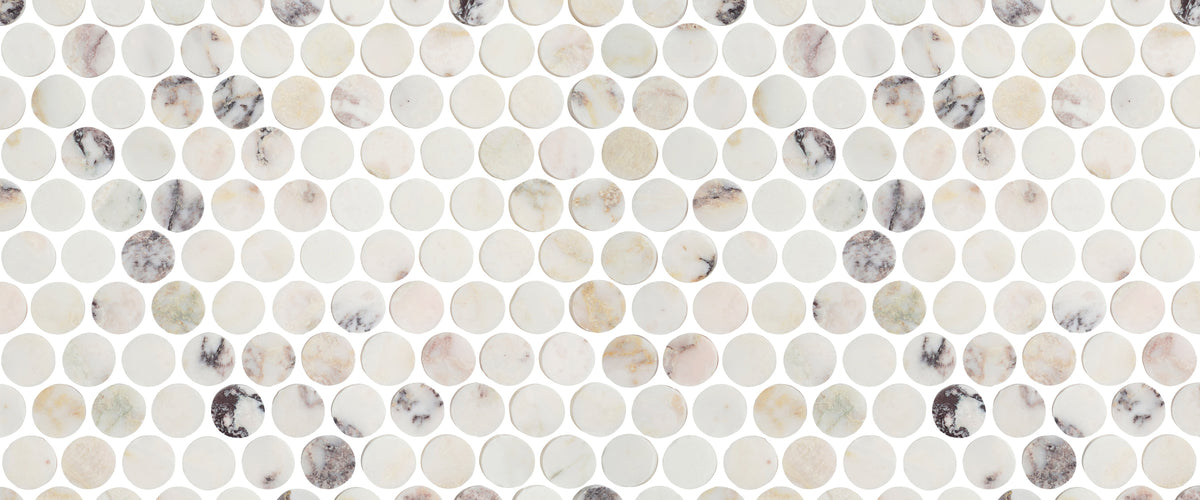
Calacatta
The Rarest White of Italy
Calacatta is luminous white marble moved by bold veins of gold, grey and violet. It is a stone of presence, rarity and quiet luxury.
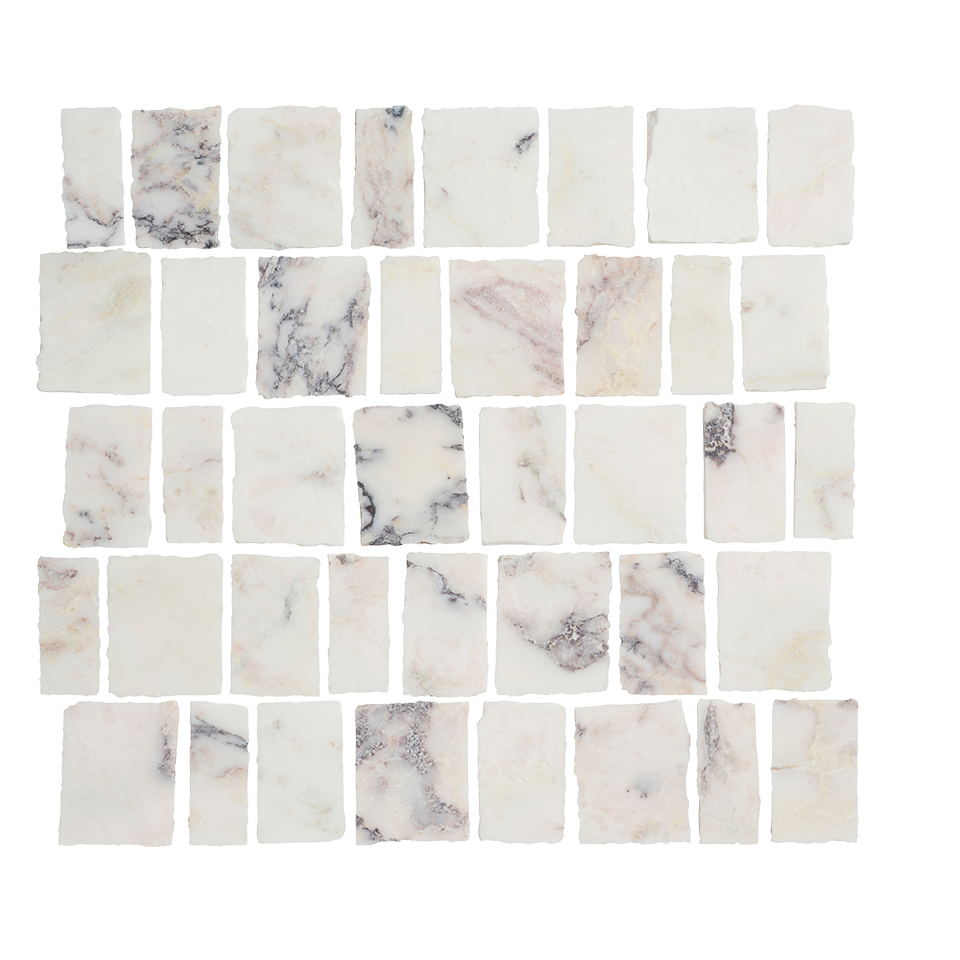
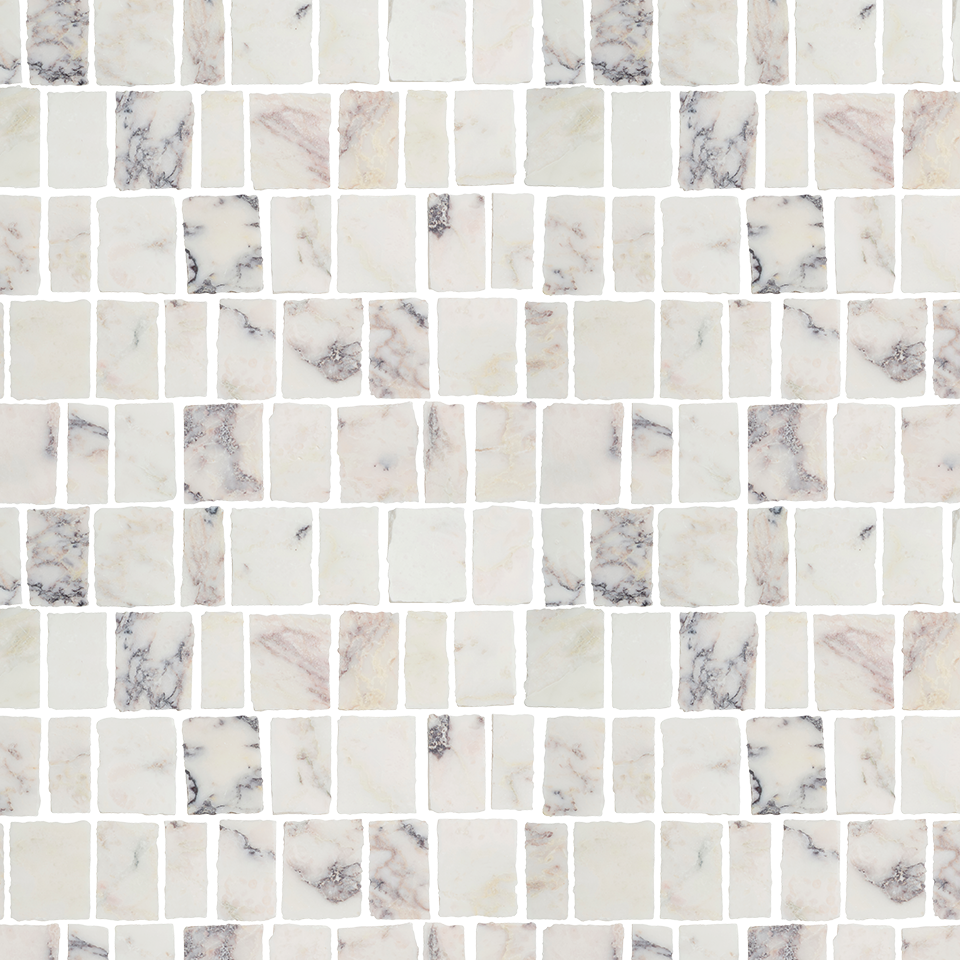
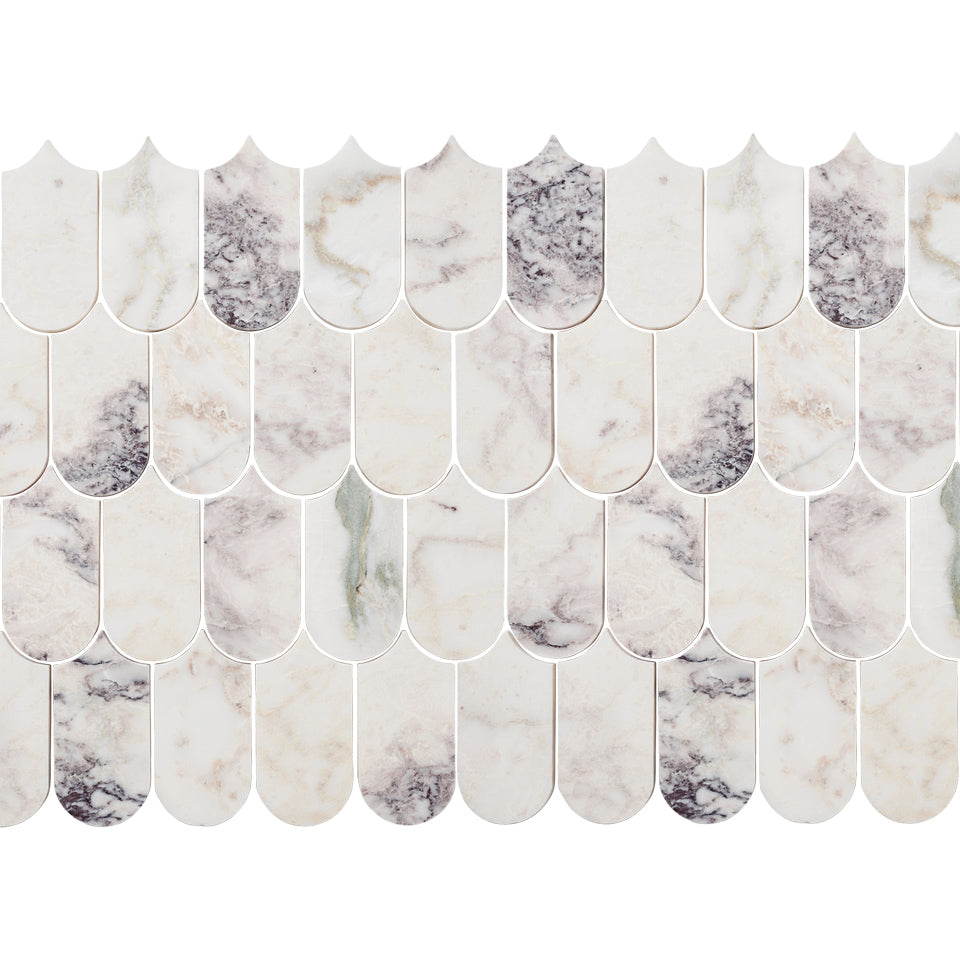
Calacatta is one of the most prestigious marbles in the world, quarried in the Apuan Alps of Tuscany. Its bright white ground and bold, artistic veining set it apart from other Italian whites. Calacatta Gold carries warm veins of gold and grey; Calacatta Viola carries deep violet and burgundy.
The Design Palette's Calacatta stone mosaics bring this rare marble into precise, architectural formats. Herringbone, arch, penny round, 25mm and 48mm hexagon, and Scarpa designs add light and drama to kitchen splashbacks, bathroom feature walls, vanities, powder rooms and luxury hospitality interiors. Based in Sydney and supplying projects across Australia, we work with architects, interior designers, builders and homeowners who want natural stone at its most refined.

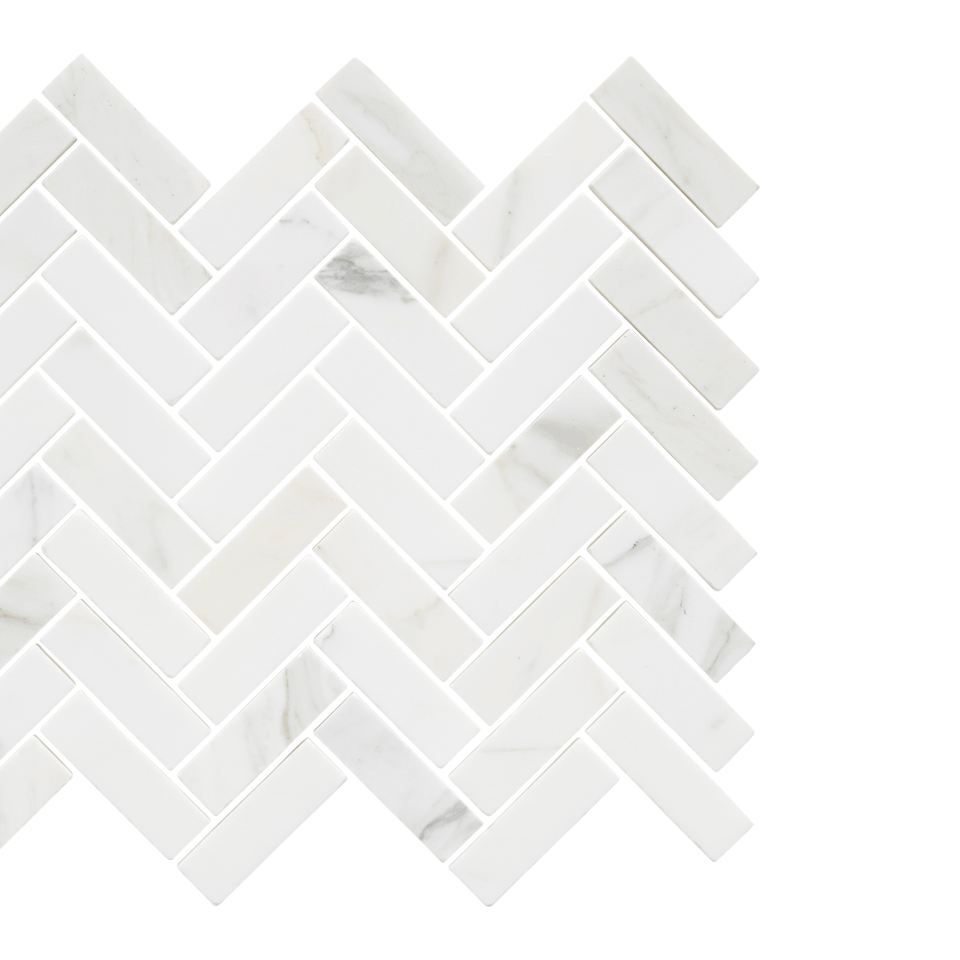
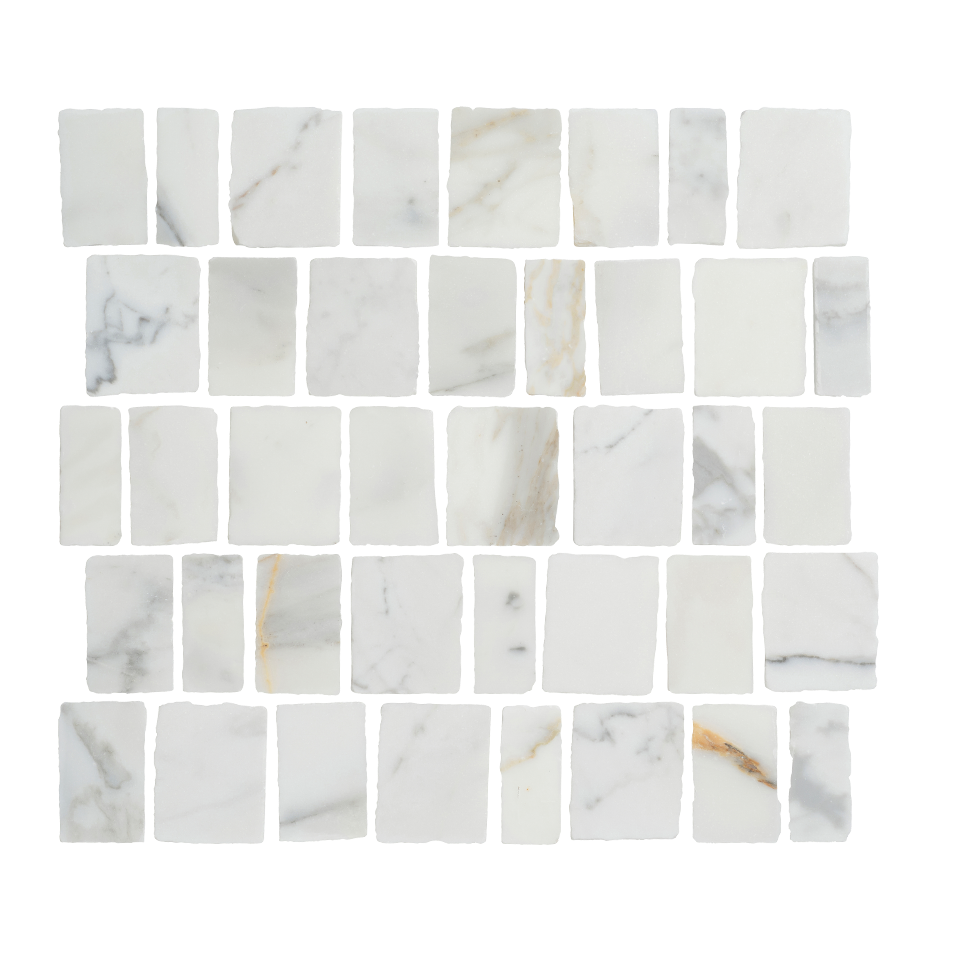
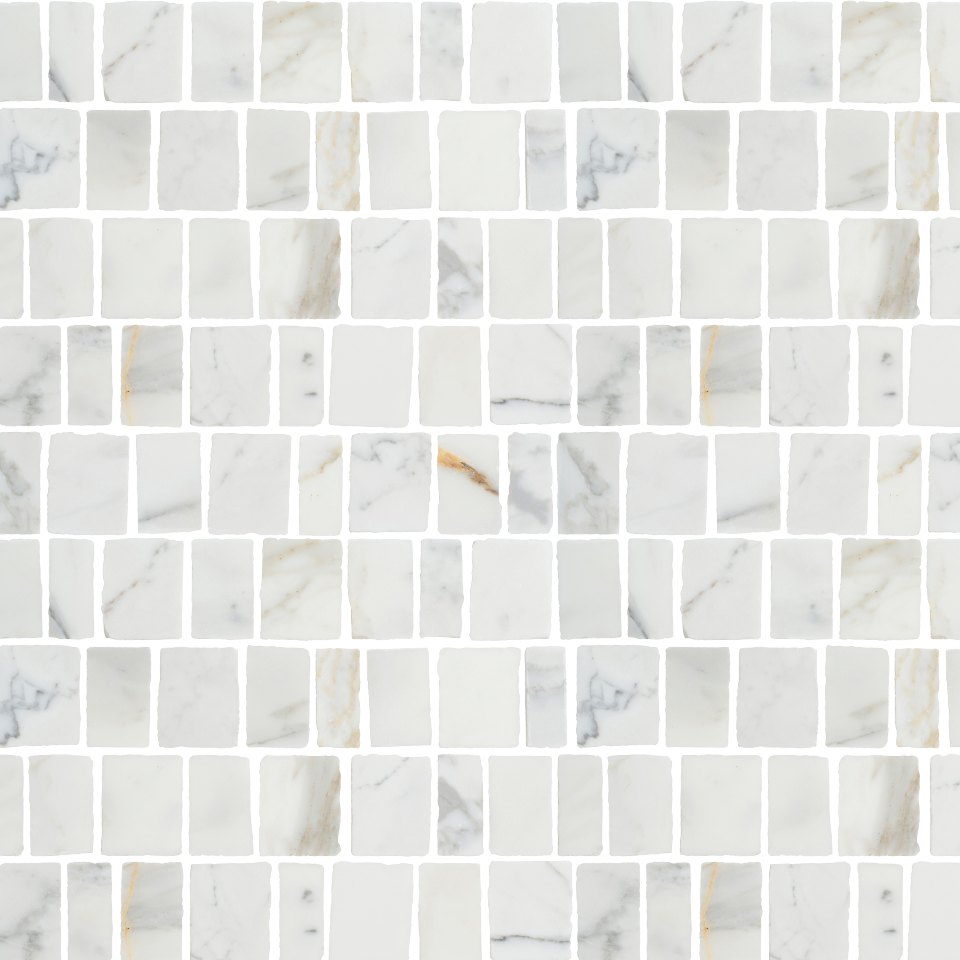
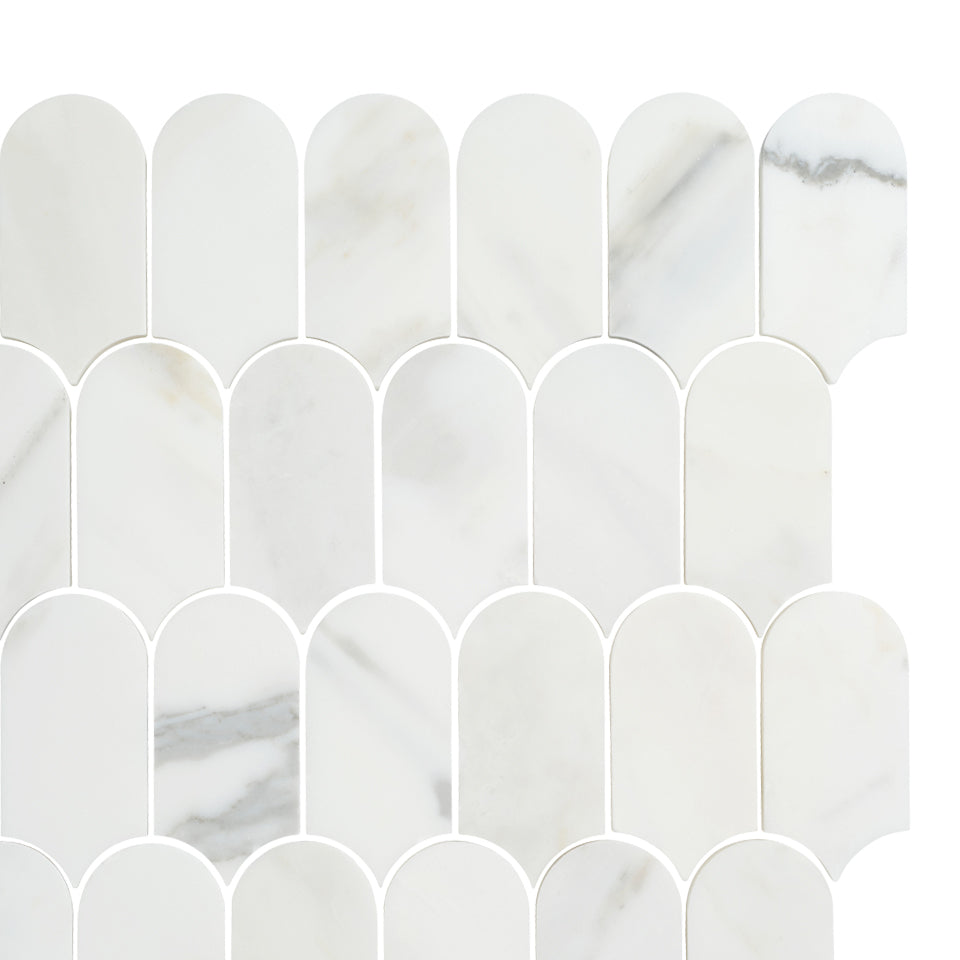
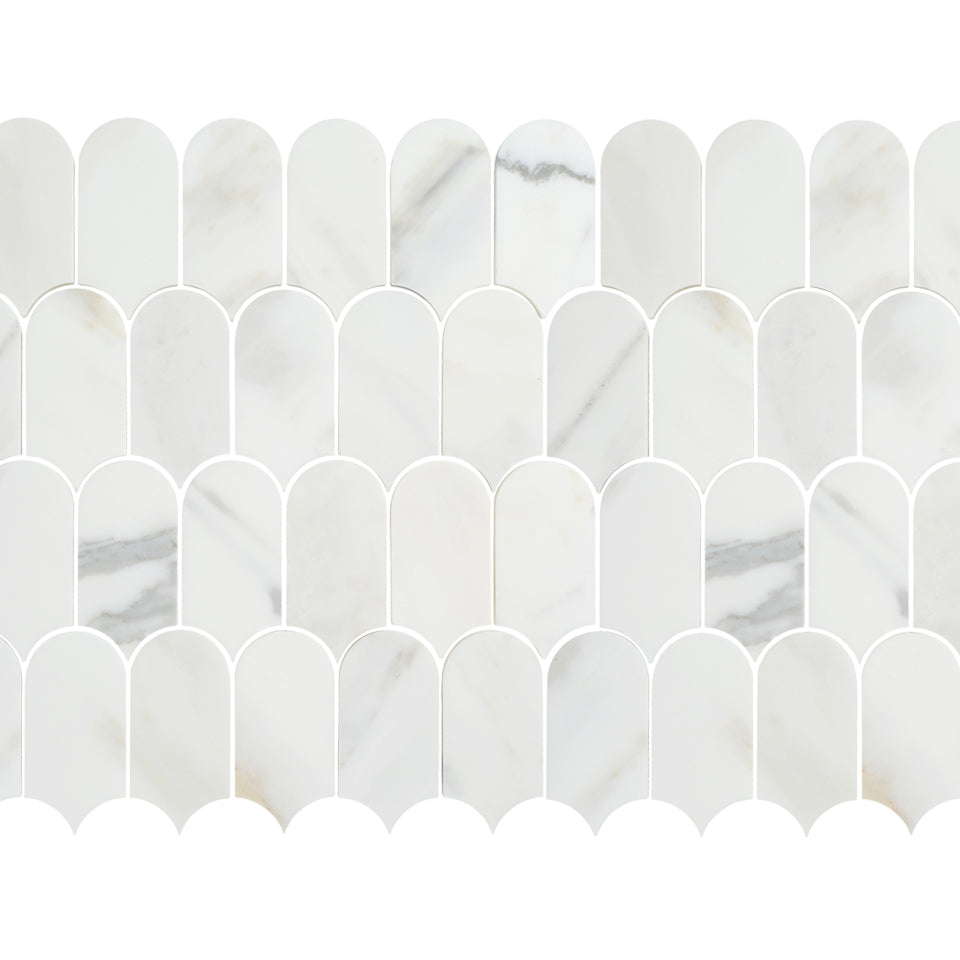
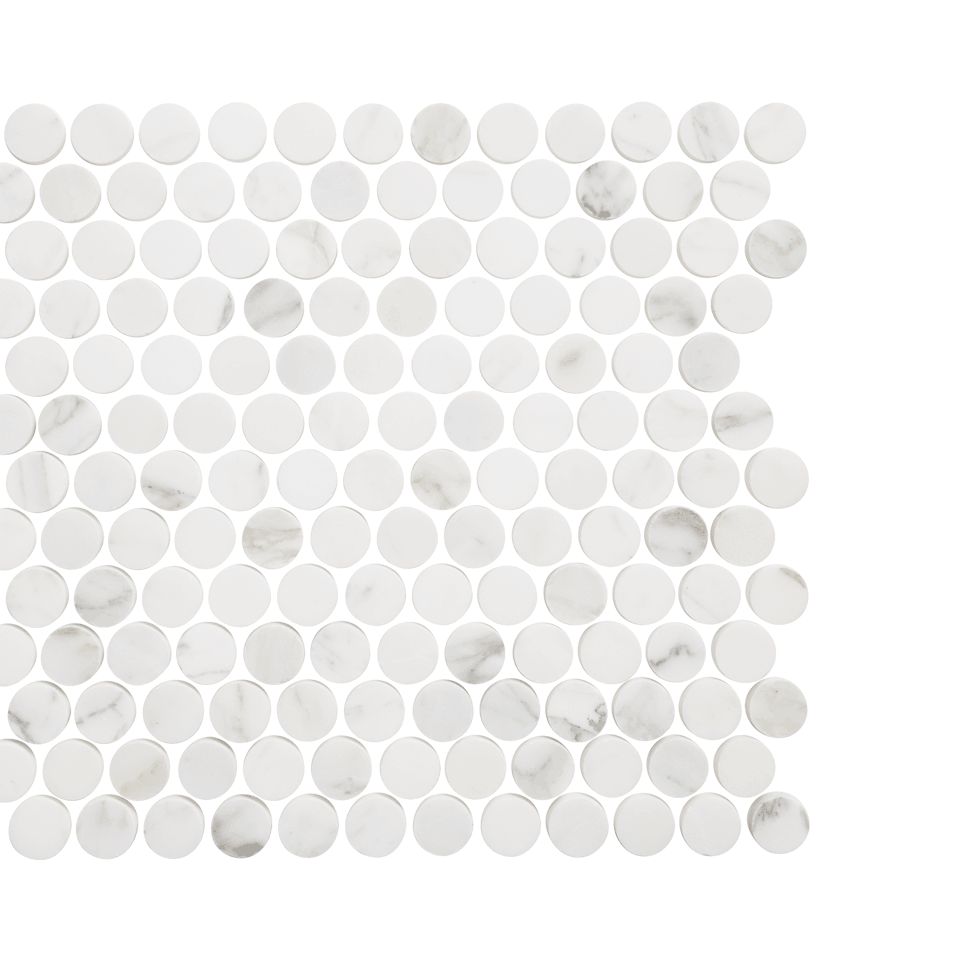
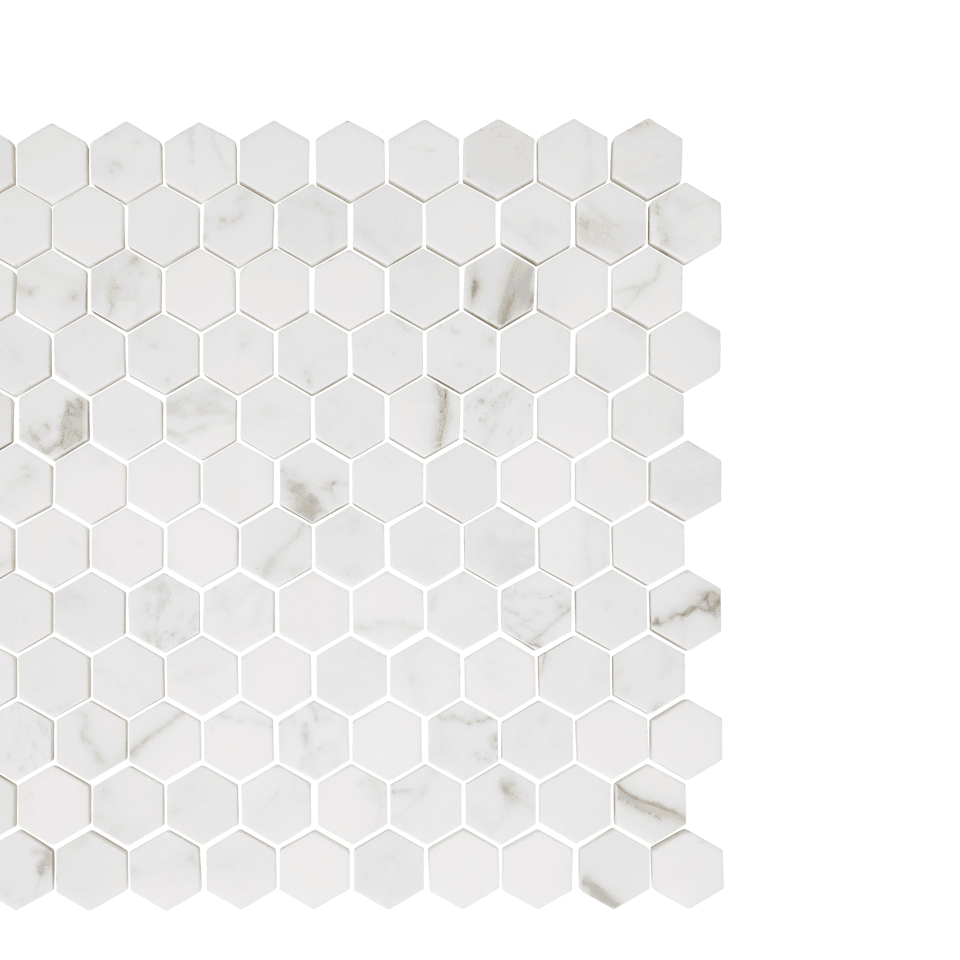
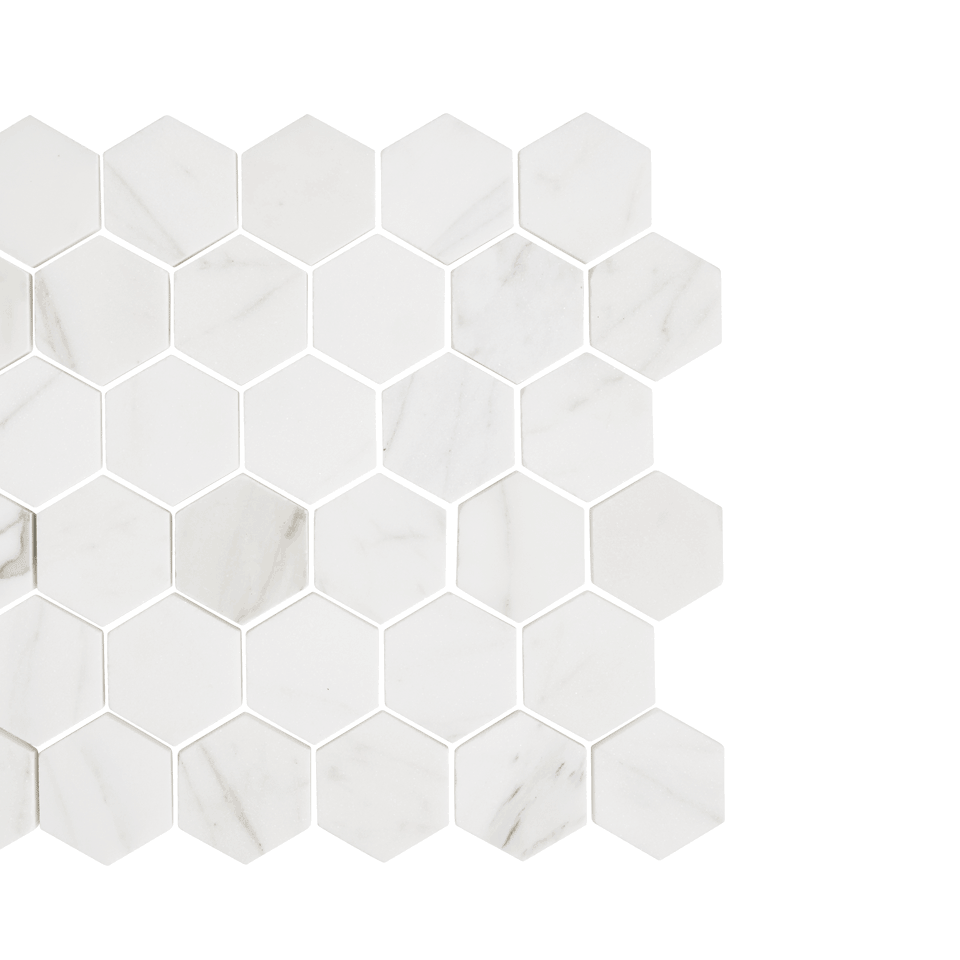
CALACATTA
ORIGIN + History
Calacatta is a true metamorphic marble, formed as ancient limestone was transformed by heat and pressure deep within the Apuan Alps. It comes from the same mountains as Carrara marble, the stone of Michelangelo, but from more limited deposits higher in the range. That scarcity is what makes Calacatta so prized. Only a handful of quarries produce it, and its output is a fraction of Carrara's.
Its veining comes from trace minerals moving through the stone as it formed: warm golds and ochres in Calacatta Gold, deep violet in Calacatta Viola. No two pieces are alike, and each carries the signature of the mountain it came from.
At The Design Palette, we see Calacatta as a stone of enduring luxury. It remains beautiful for decades, gaining character over time rather than wearing out. In a design culture of constant replacement, that endurance is its own form of sustainability.