
Rhythm and Direction
Herringbone brings movement, craft and a sense of history to floors and walls. A pattern laid for two thousand years, still entirely modern.
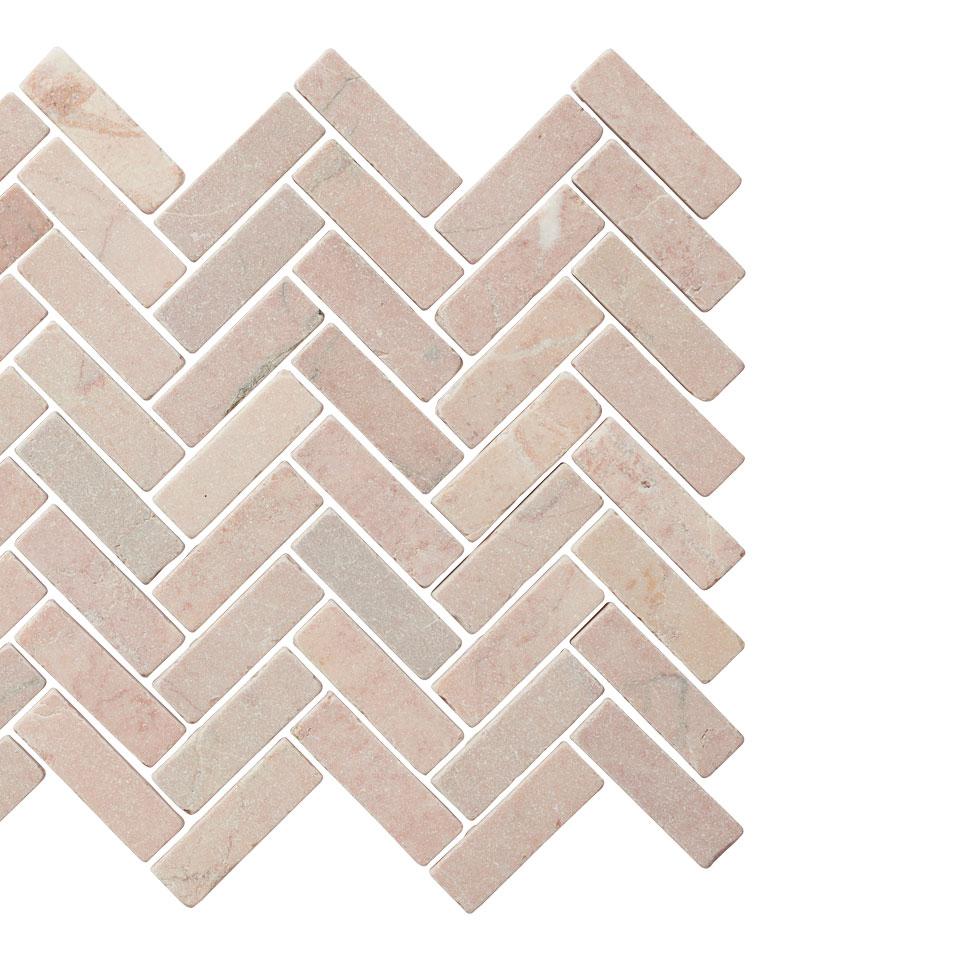
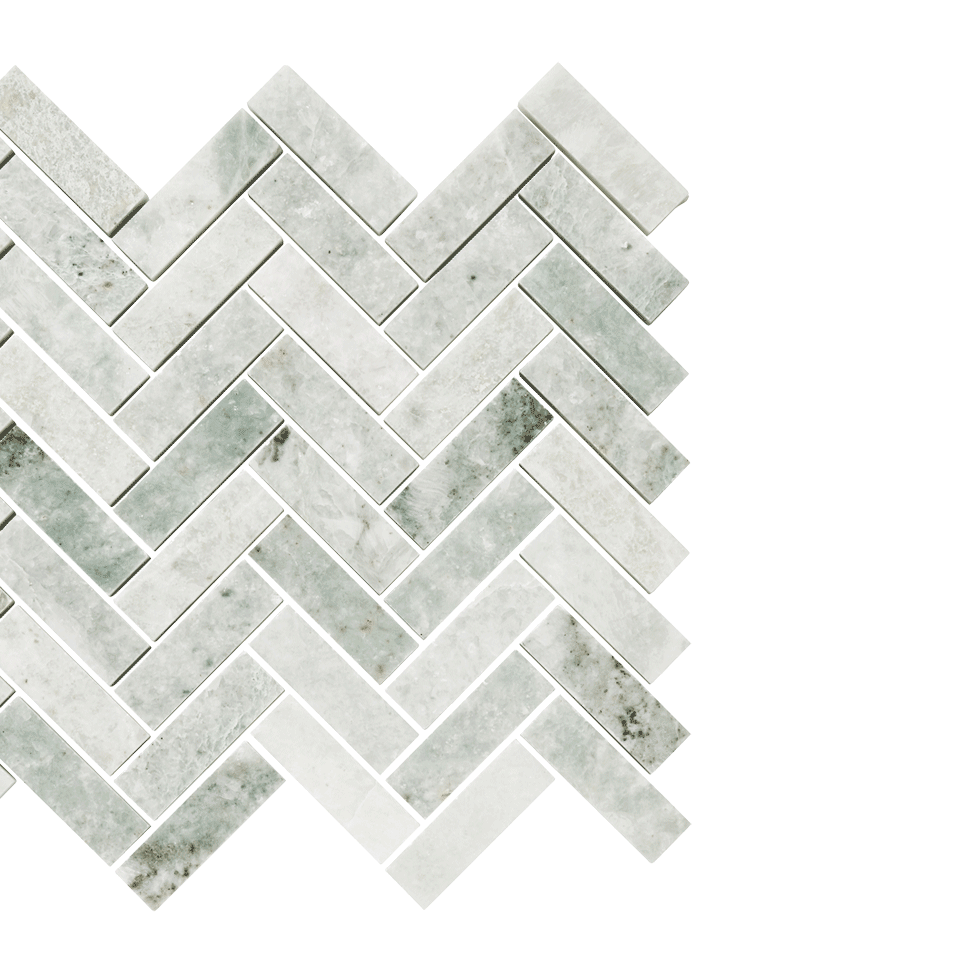
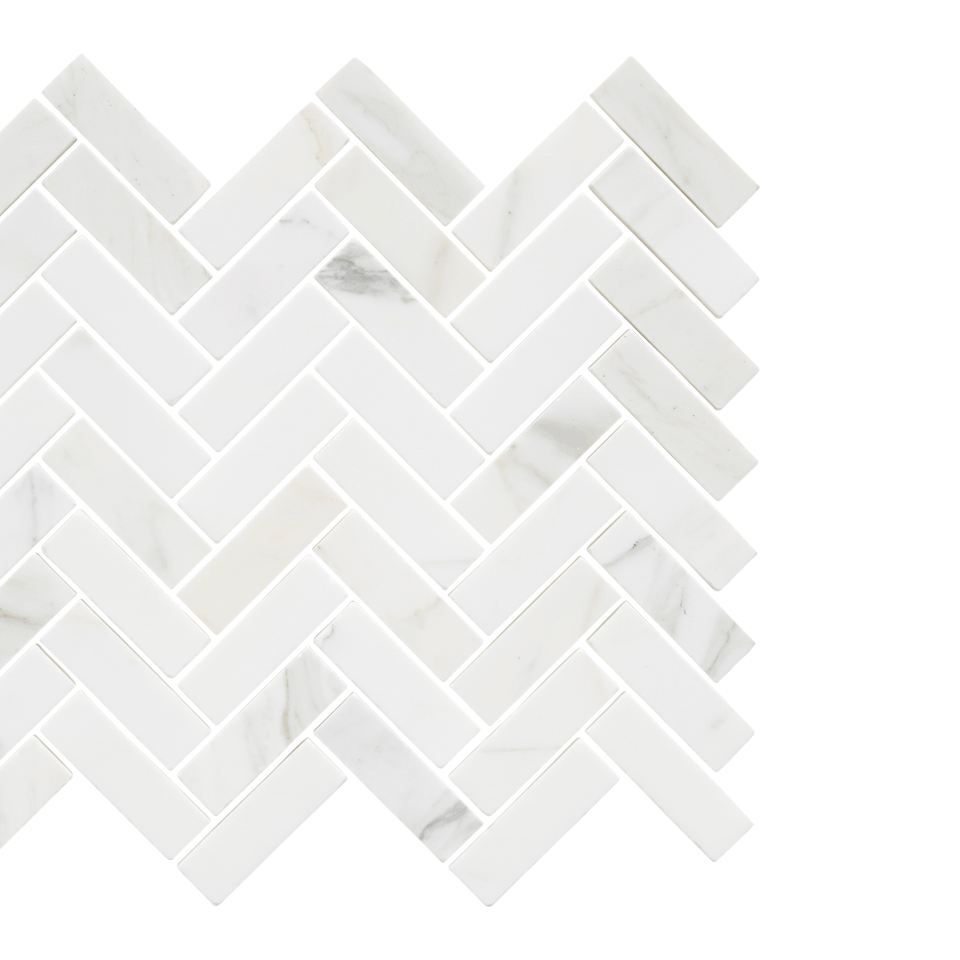
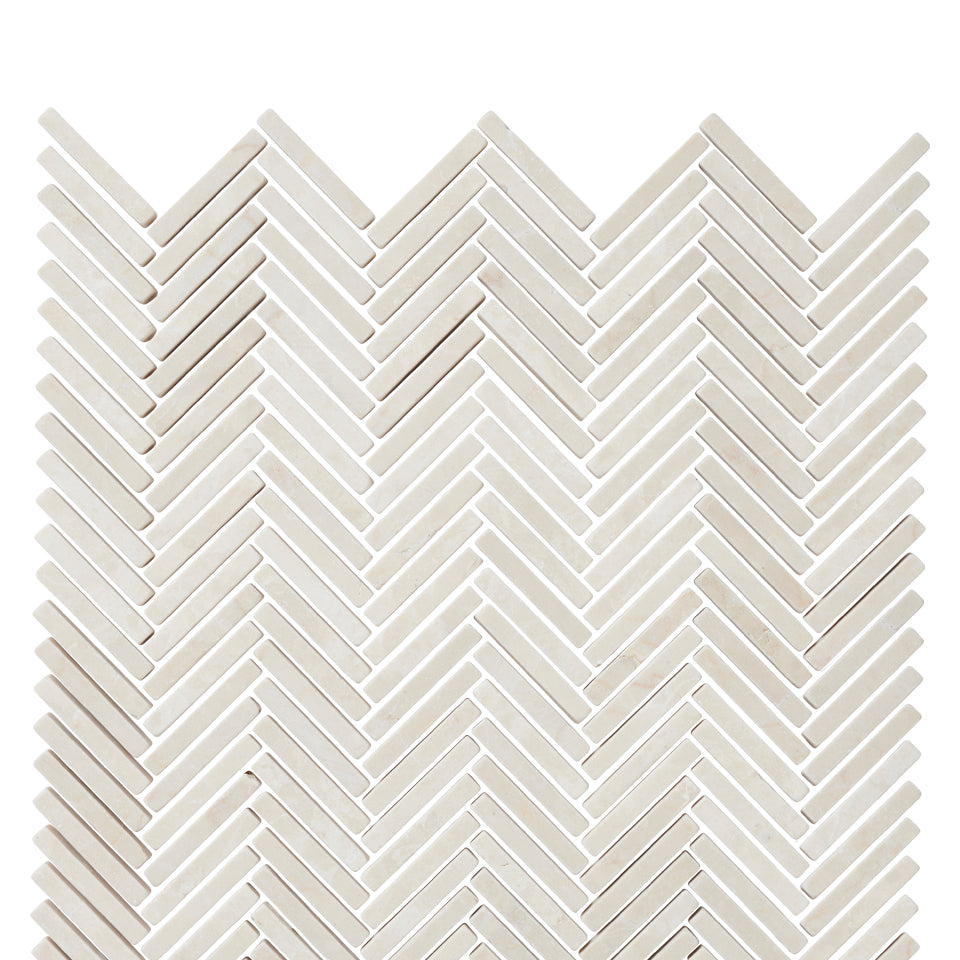
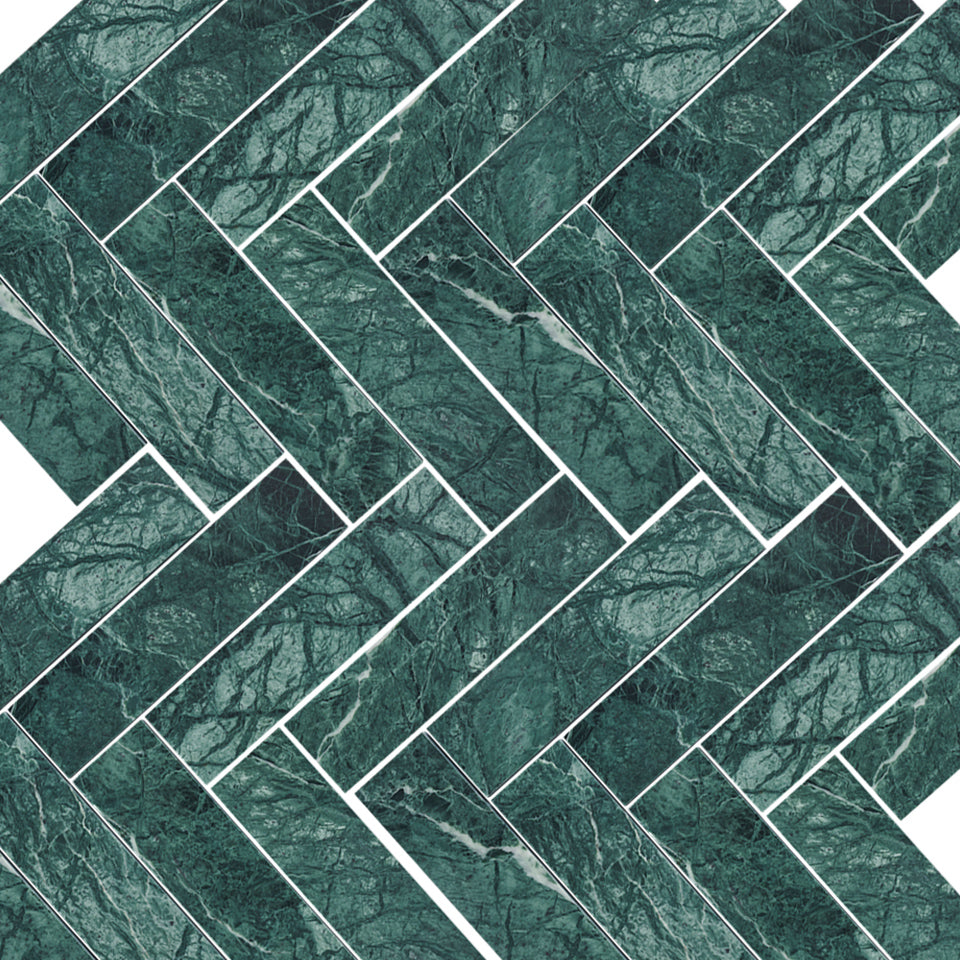
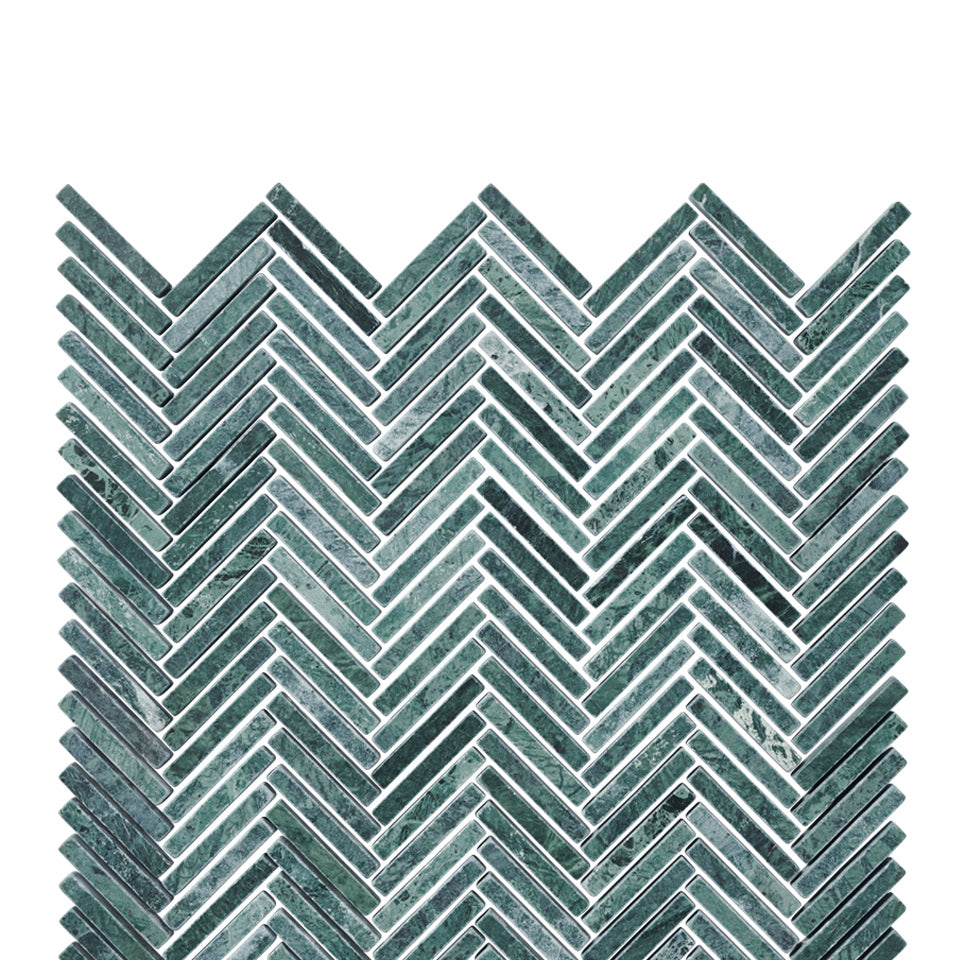
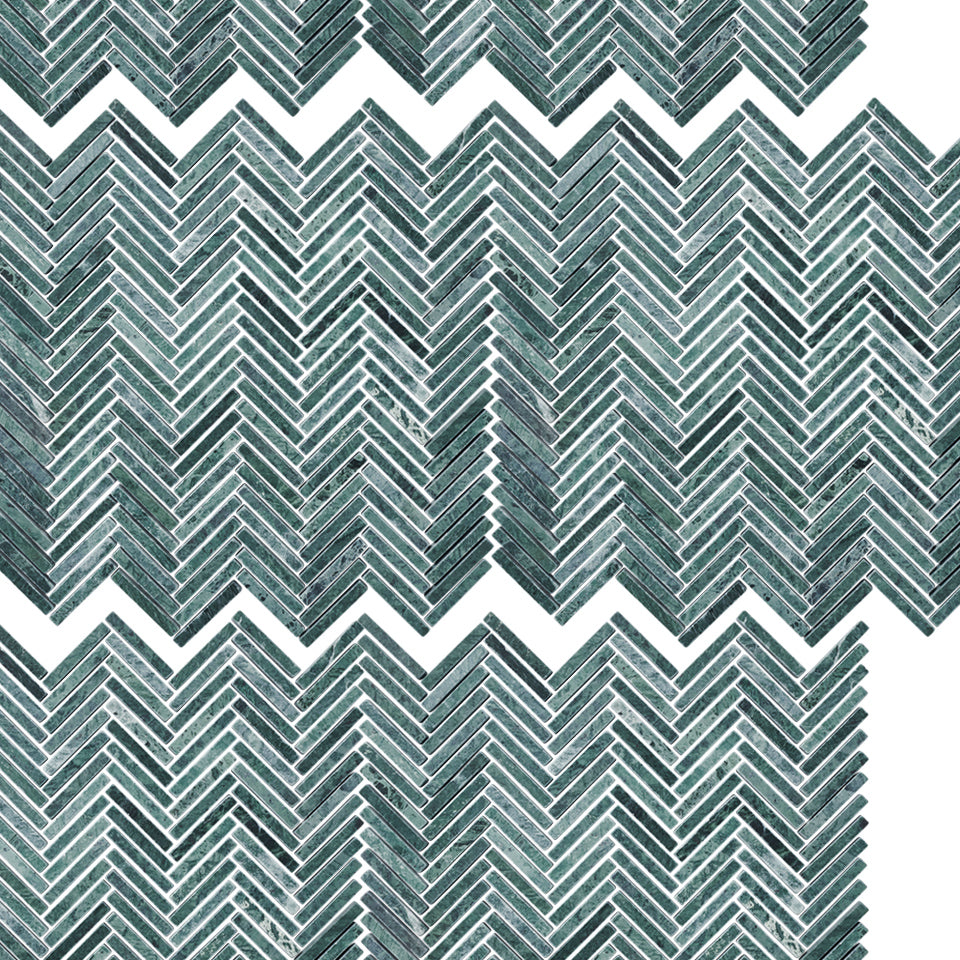
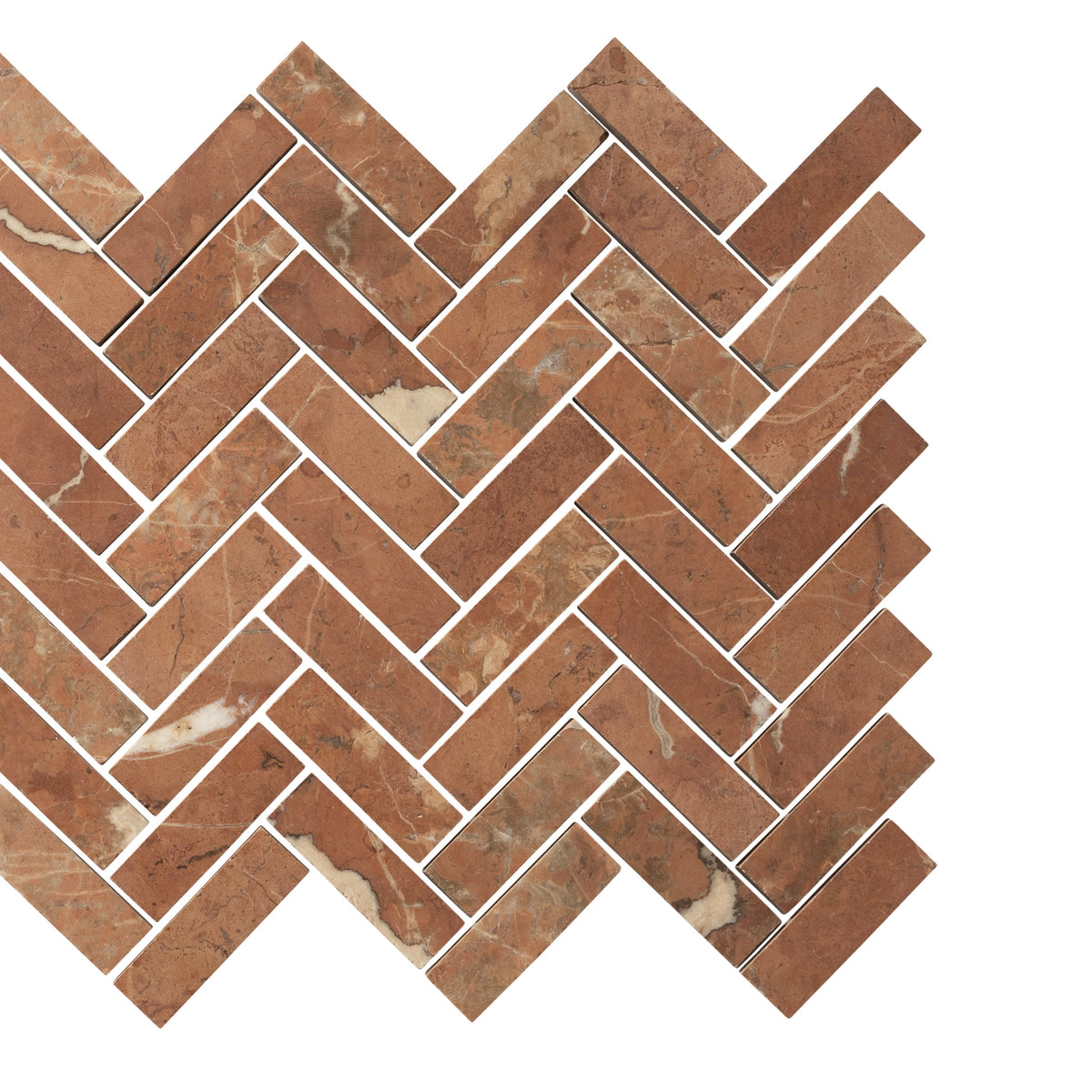
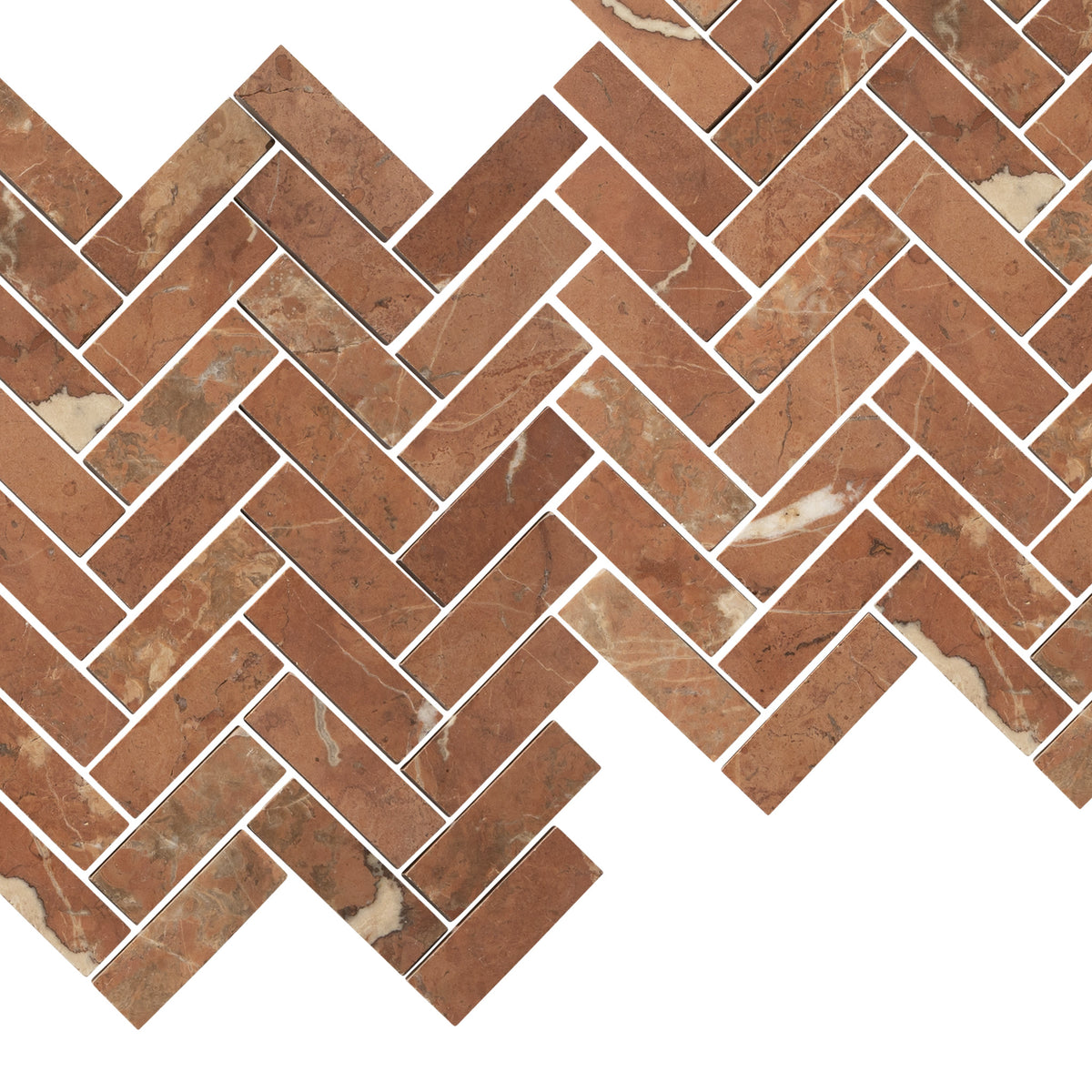
The Design Palette’s herringbone stone mosaics set slim rectangles of natural stone at opposing angles, so the surface moves in a continuous zigzag. The pattern gives a space direction and energy while remaining refined, and it works as beautifully on a splashback as on a floor.
Available in classic, long and tumbled tweed herringbone, in Carrara, Calacatta Gold, Botticino, Rosado, Verde Cristallo, Taj Green, Rojo Alicante and Rosa Travertine, our herringbone mosaics suit kitchen splashbacks, bathroom walls and floors, and feature walls. Based in Sydney and supplying projects across Australia, we work with architects, interior designers, builders and homeowners who love classic pattern with a tailored edge.
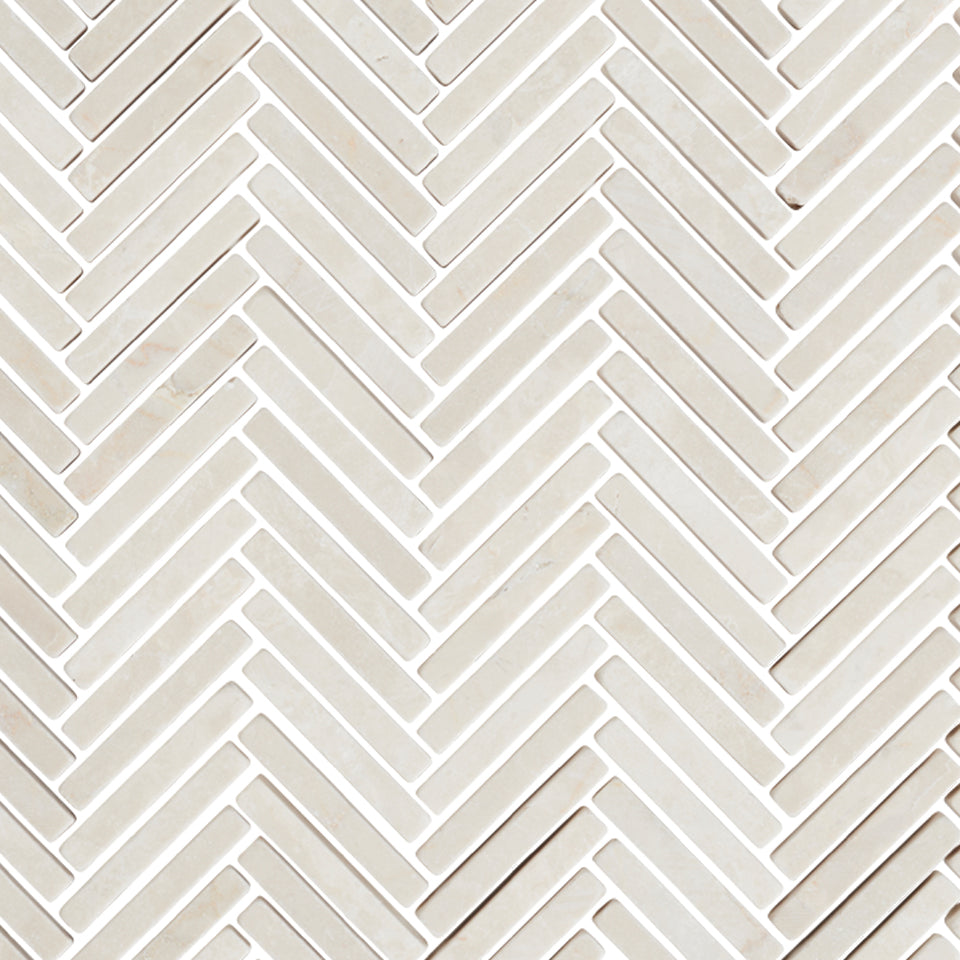
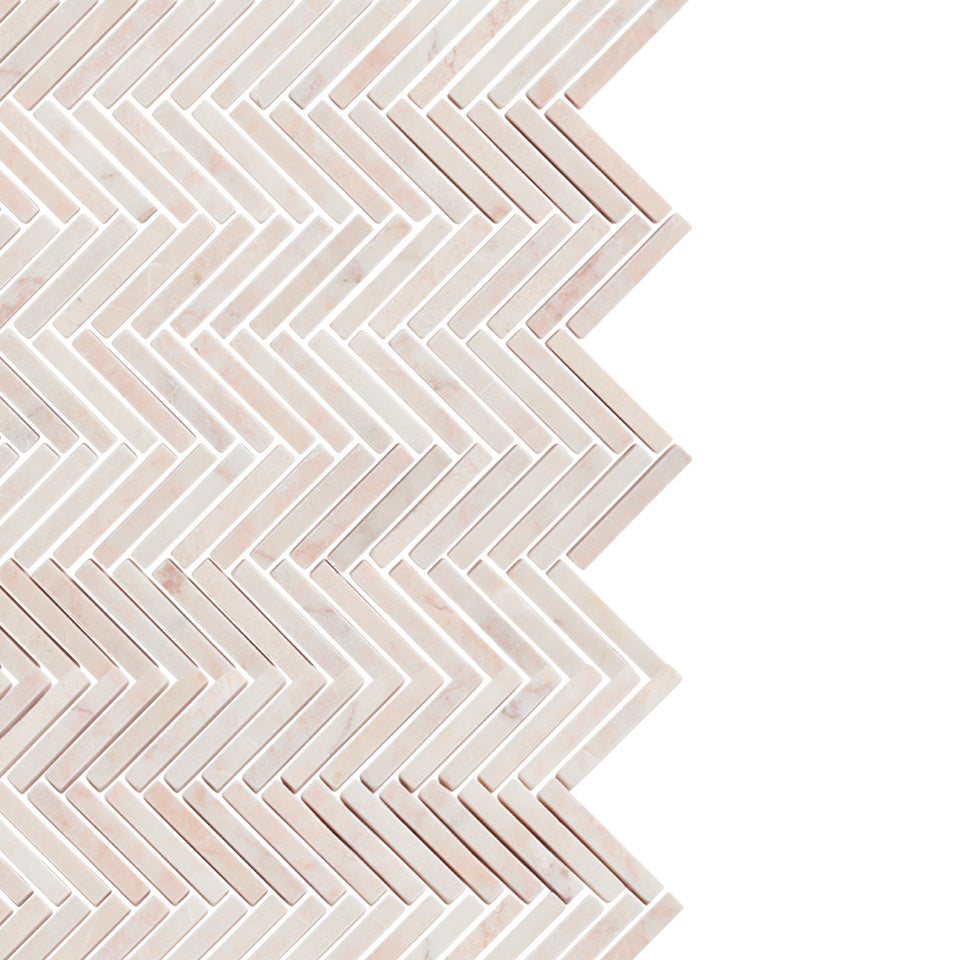
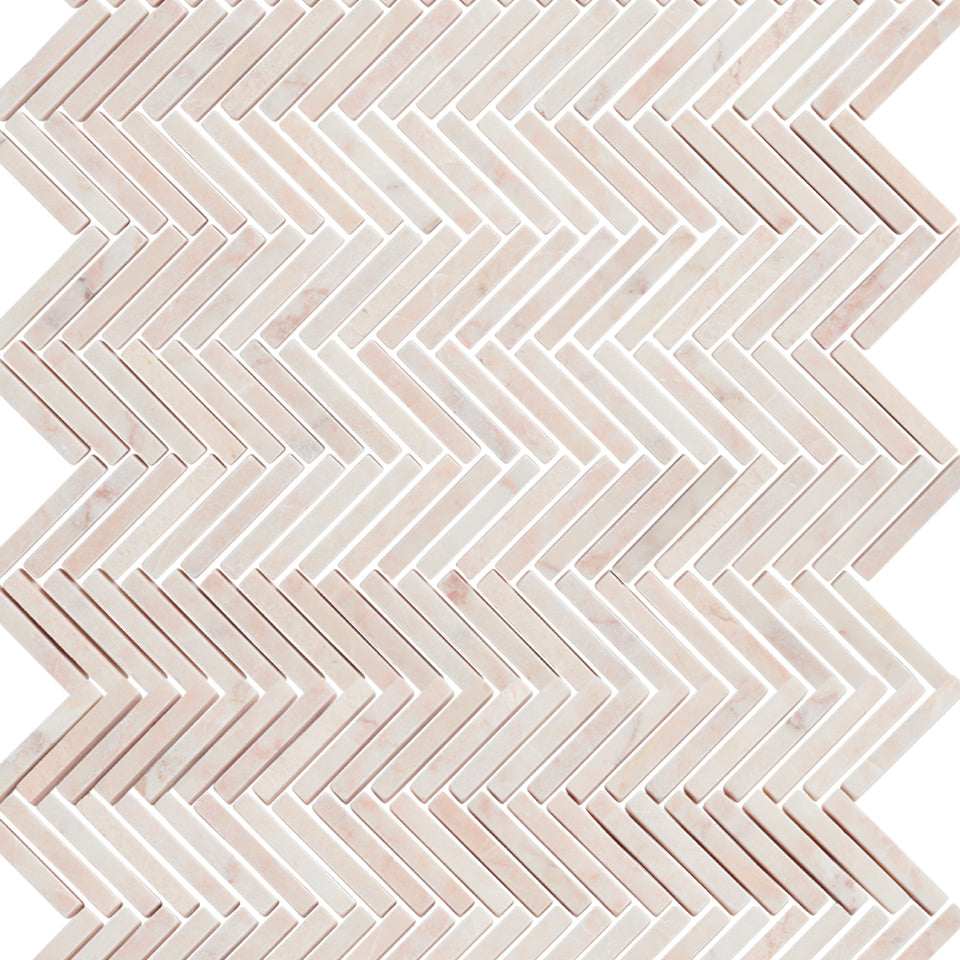
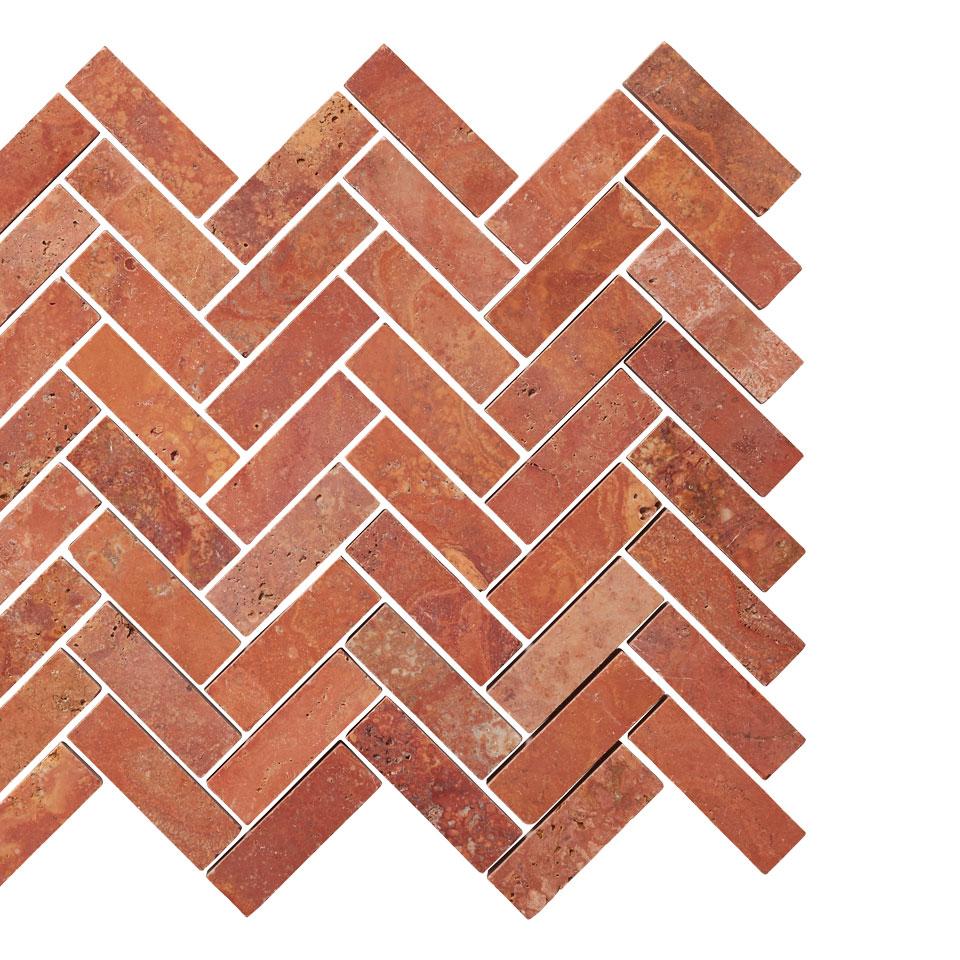
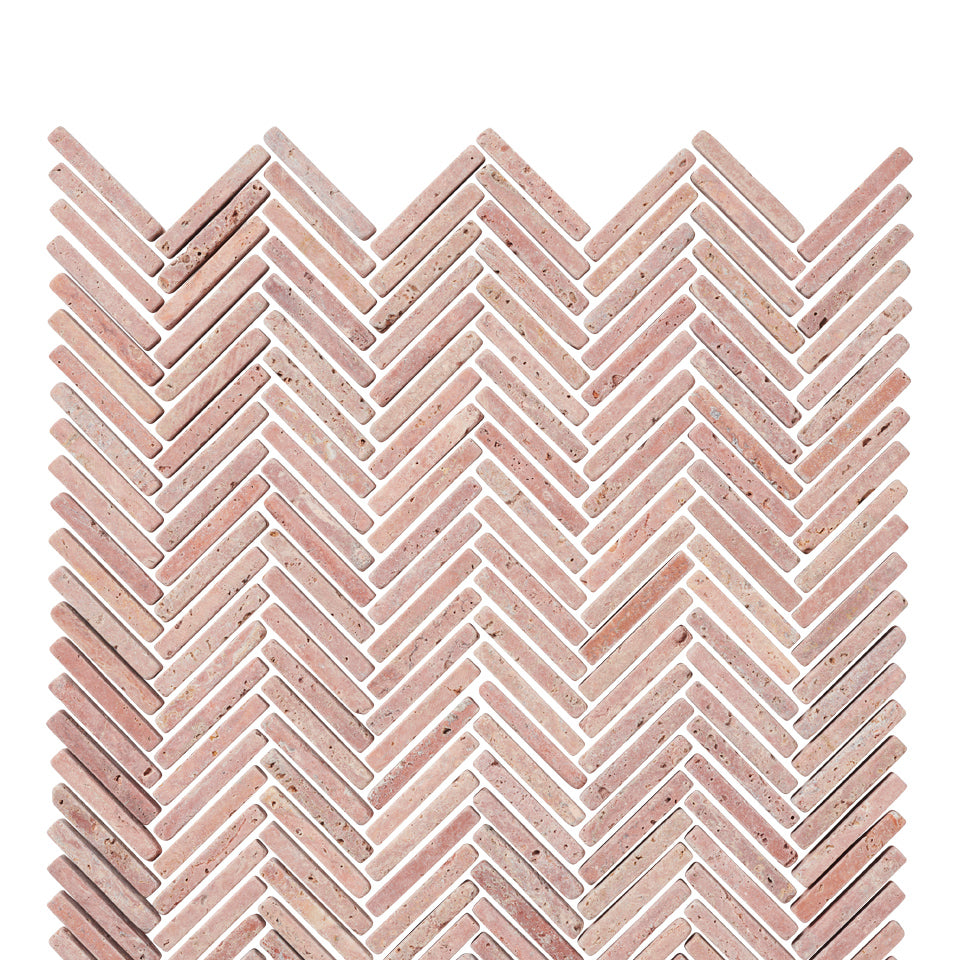
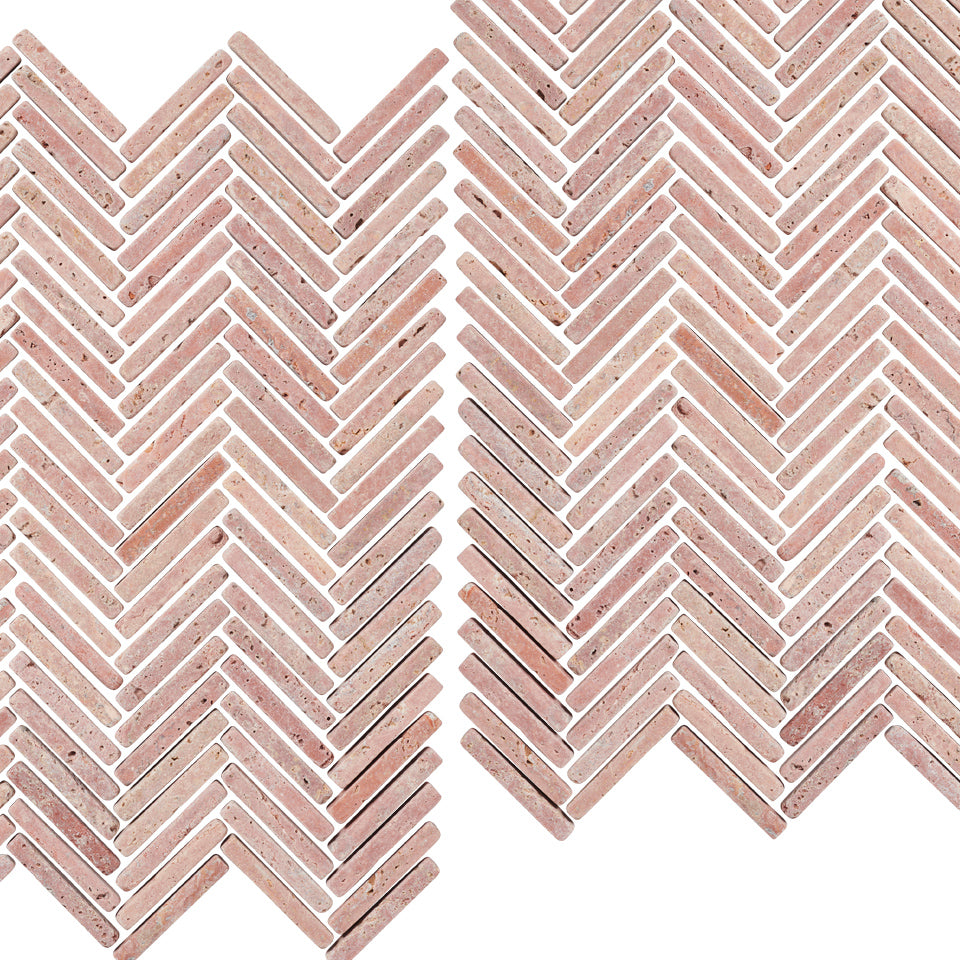
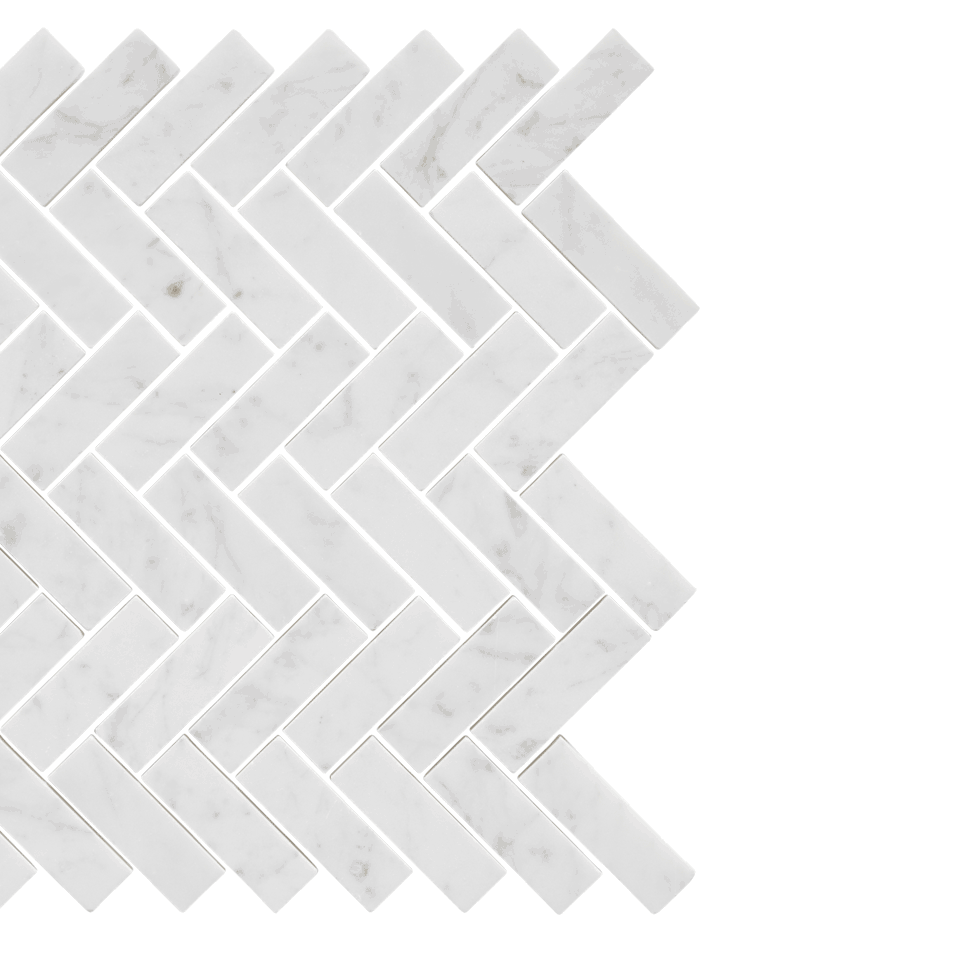
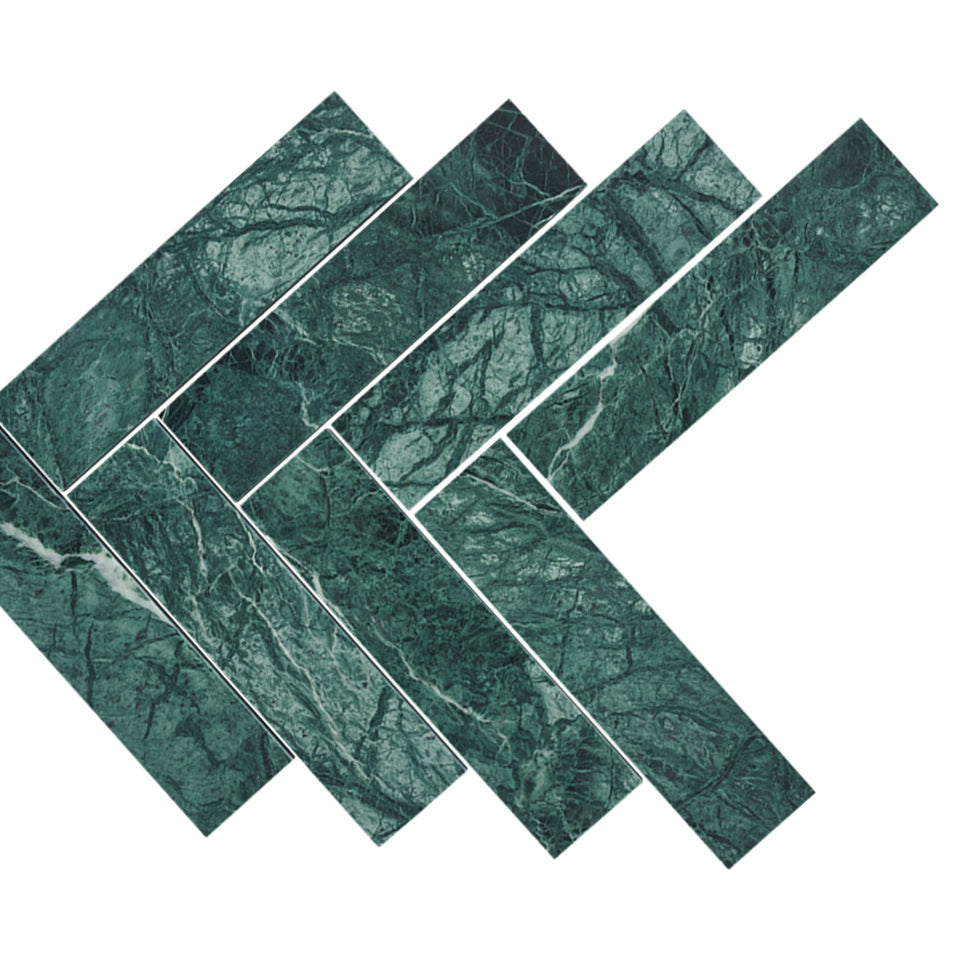
SHAPE // HERRINGBONE
ORIGIN + History
The Romans called it opus spicatum, “spiked work”, after the ear of wheat its pattern resembles. They laid bricks and stones at opposing angles in floors and walls, a technique valued for its strength as much as its beauty, and traces of it have been found across the former empire.
Its English name came later, from the skeleton of the herring fish. The pattern moved into weaving, where herringbone tweed became a tailoring classic, and into timber parquet in grand European interiors. In natural stone mosaic, it returns to its Roman roots: stone, set by hand, at an angle.
SHAPE // HERRINGBONE
The Stones of herringbone
Carrara and Calacatta Gold. Italian whites in classic herringbone.
Botticino, Rosado and Rosa Travertine. Cream, blush and rust tones in tumbled tweed herringbone, softly aged at the edges.
Verde Cristallo and Taj Green. Sage and deep green, including Taj Green in long herringbone and tumbled tweed.
Rojo Alicante. Spanish red veined in white, for herringbone with colour and presence.
At The Design Palette, we see herringbone as pattern with a pedigree. Cut from natural stone, these mosaics remain beautiful for decades, gaining character over time rather than wearing out. In a design culture of constant replacement, that endurance is its own form of sustainability.