
Where Mosaic Began
The square is calm, modular and endlessly versatile. A quiet grid that lets the stone itself speak.
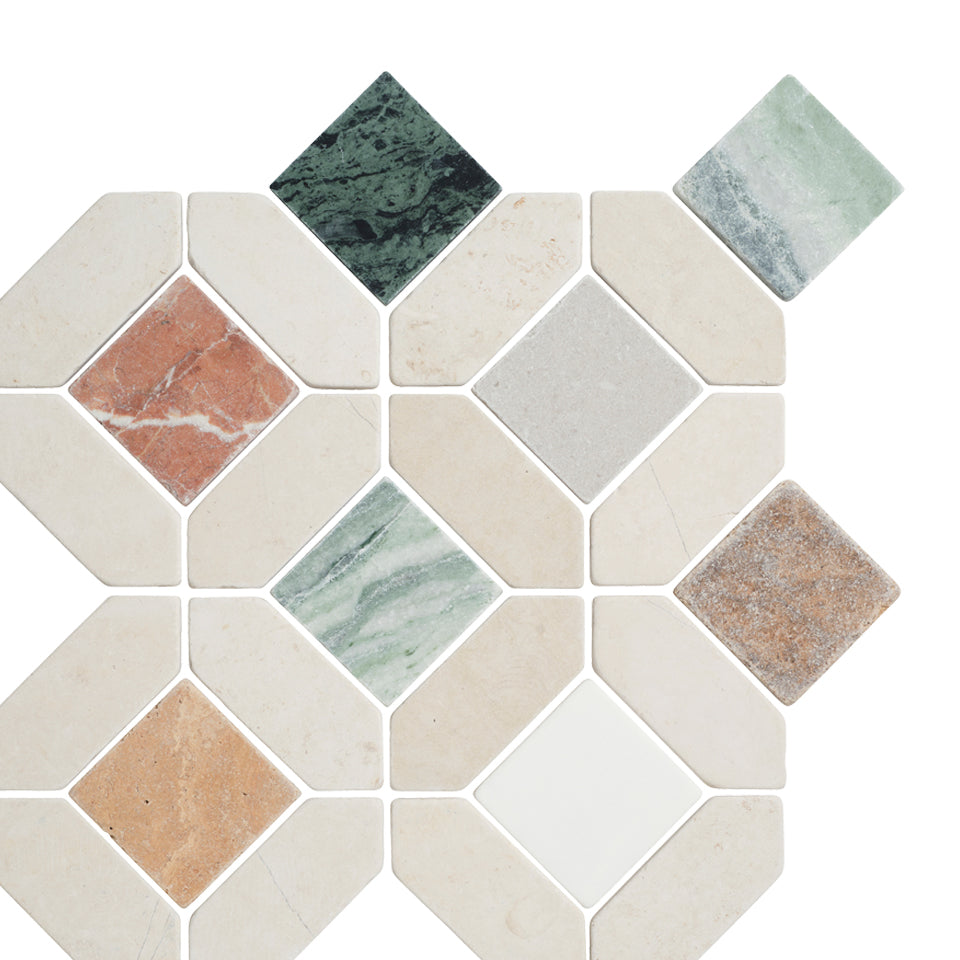
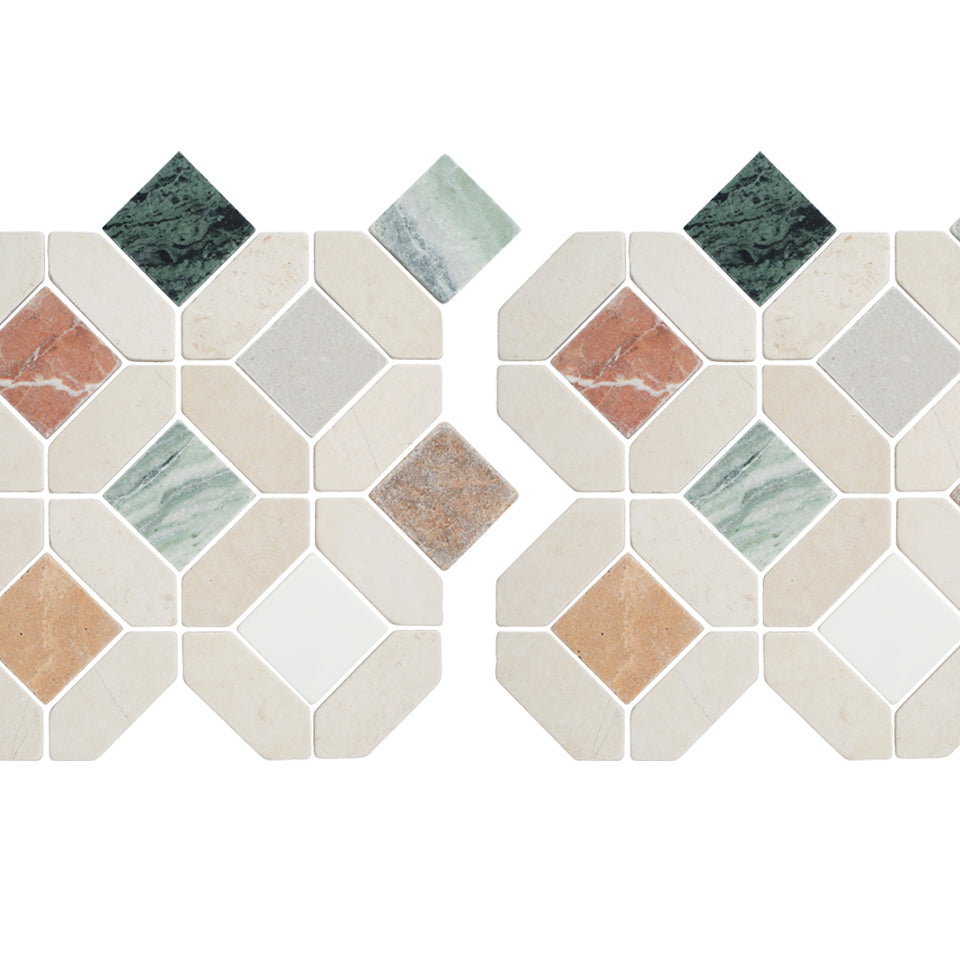
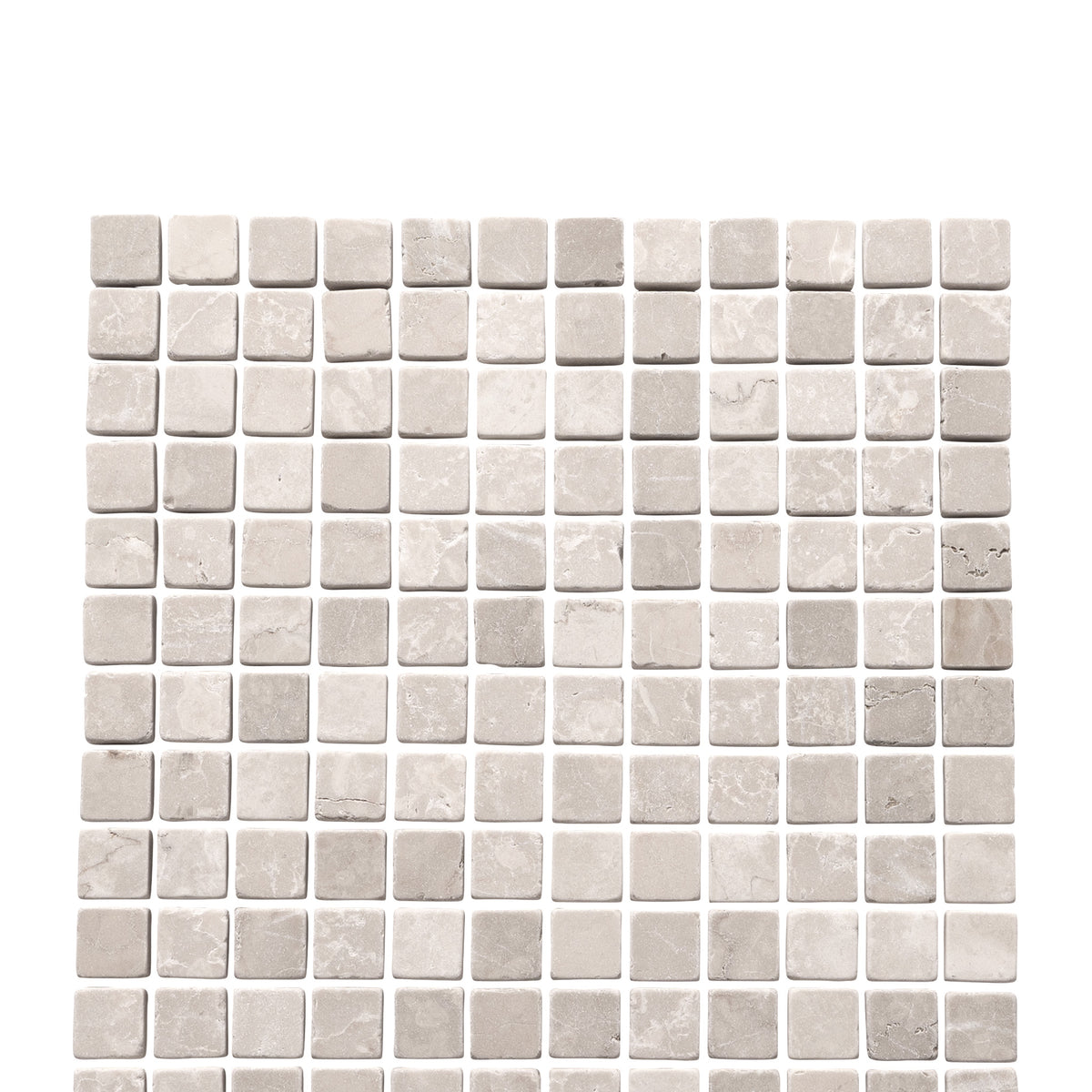
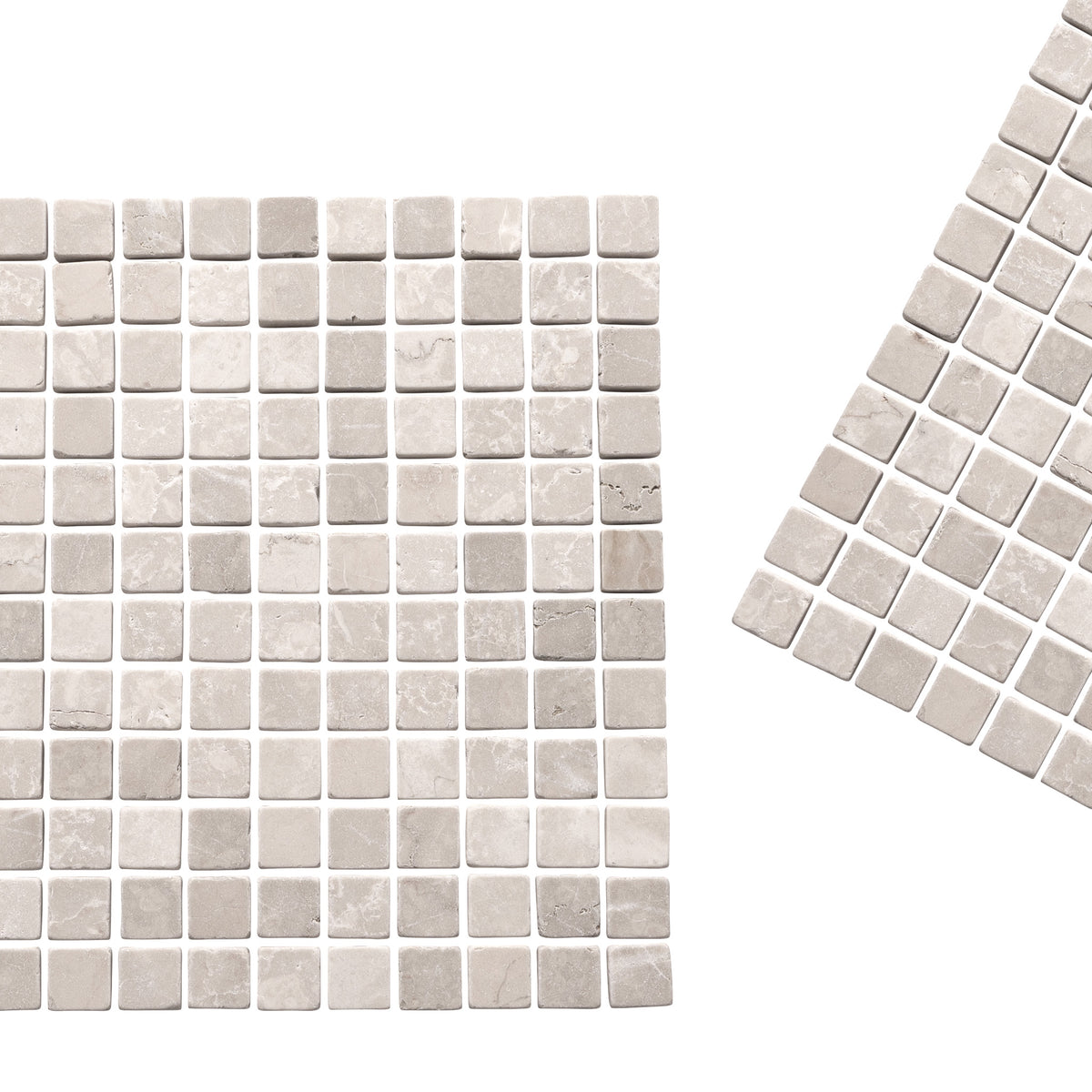
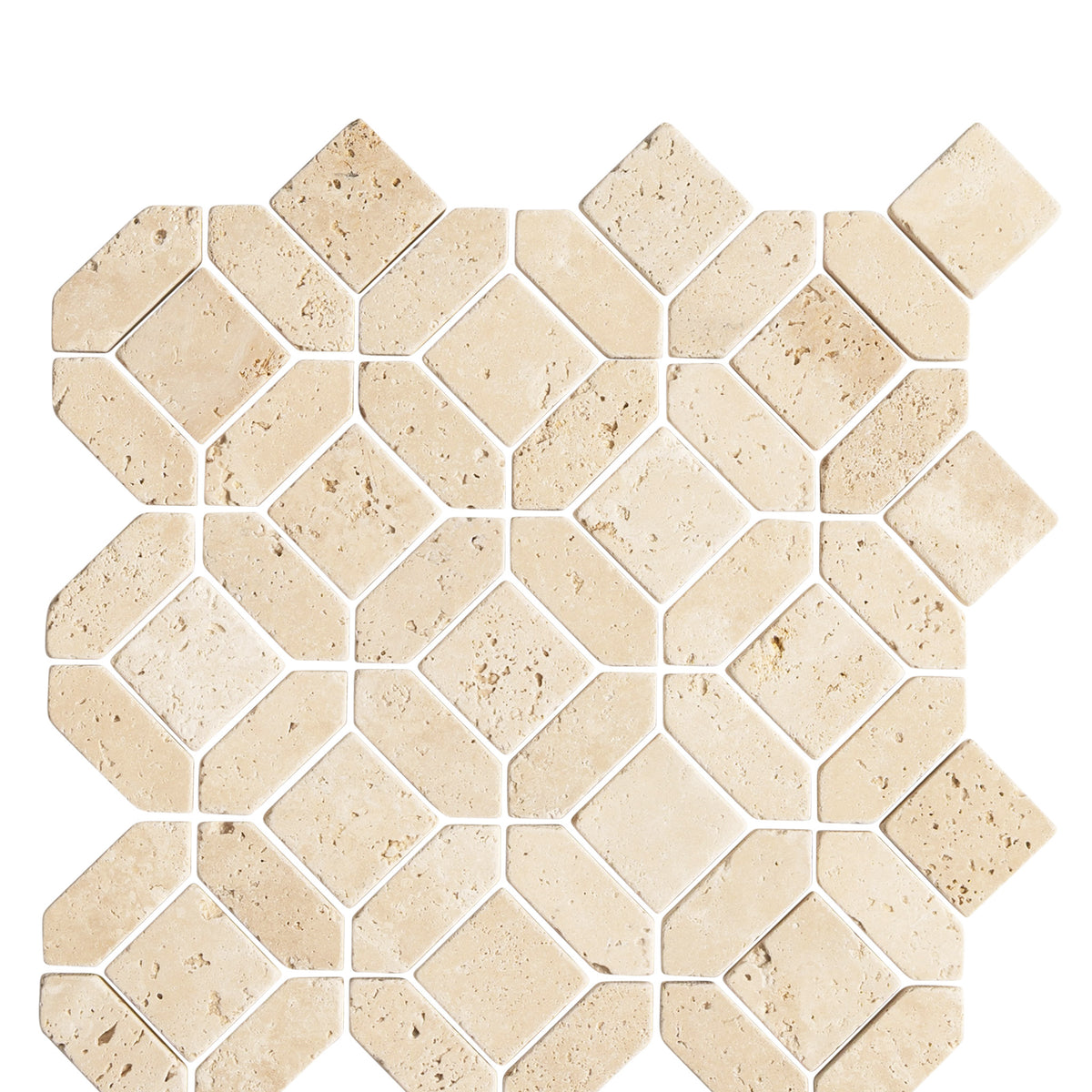
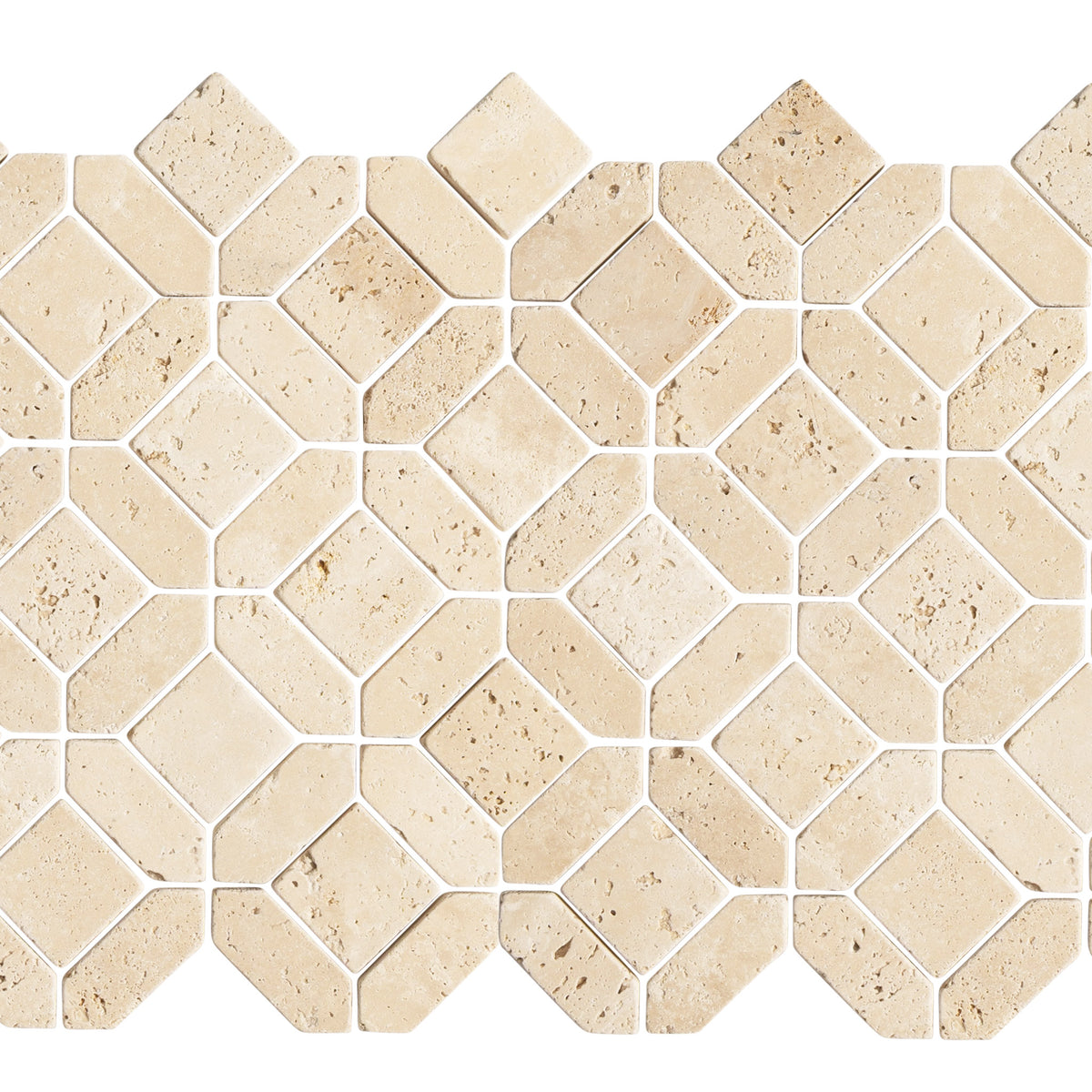
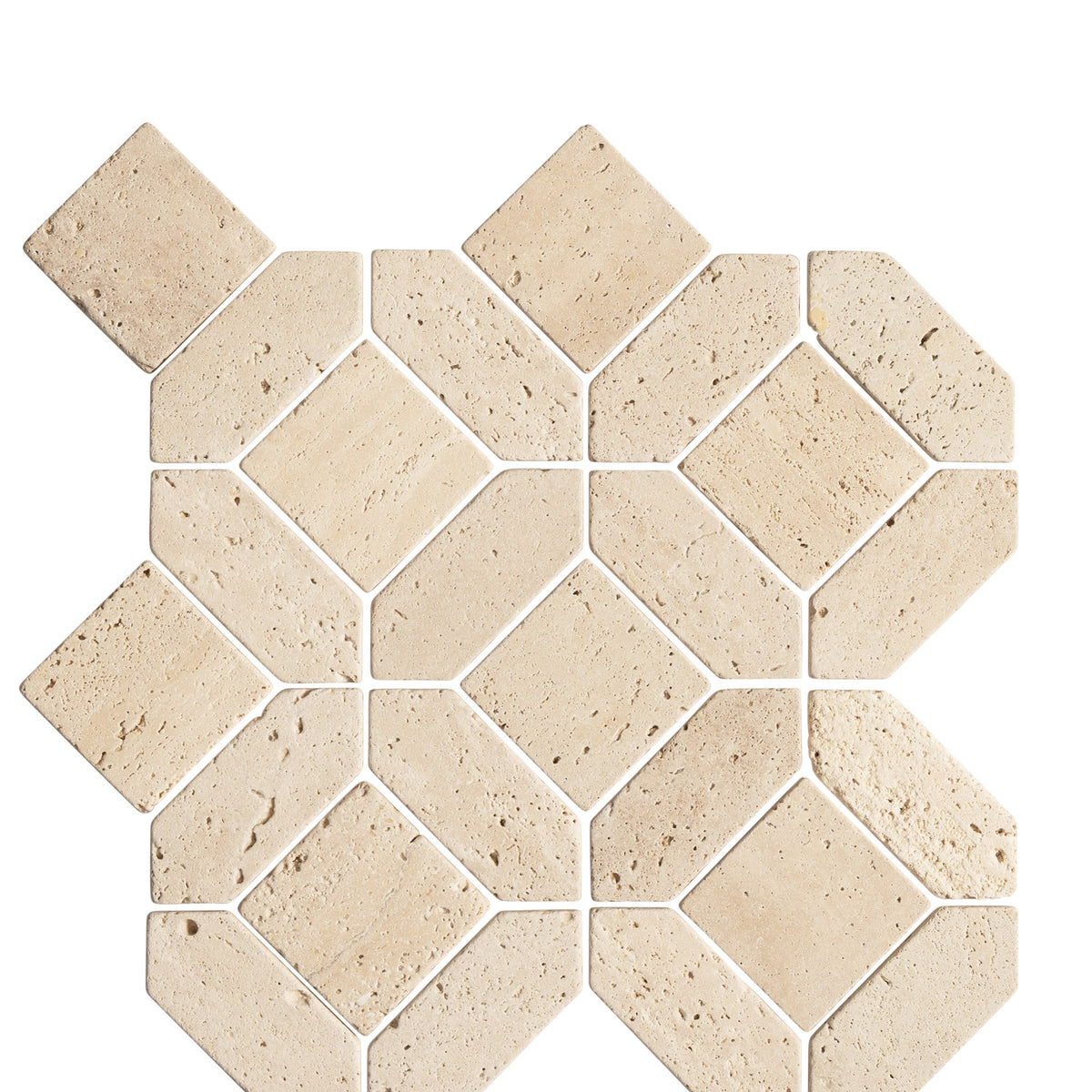
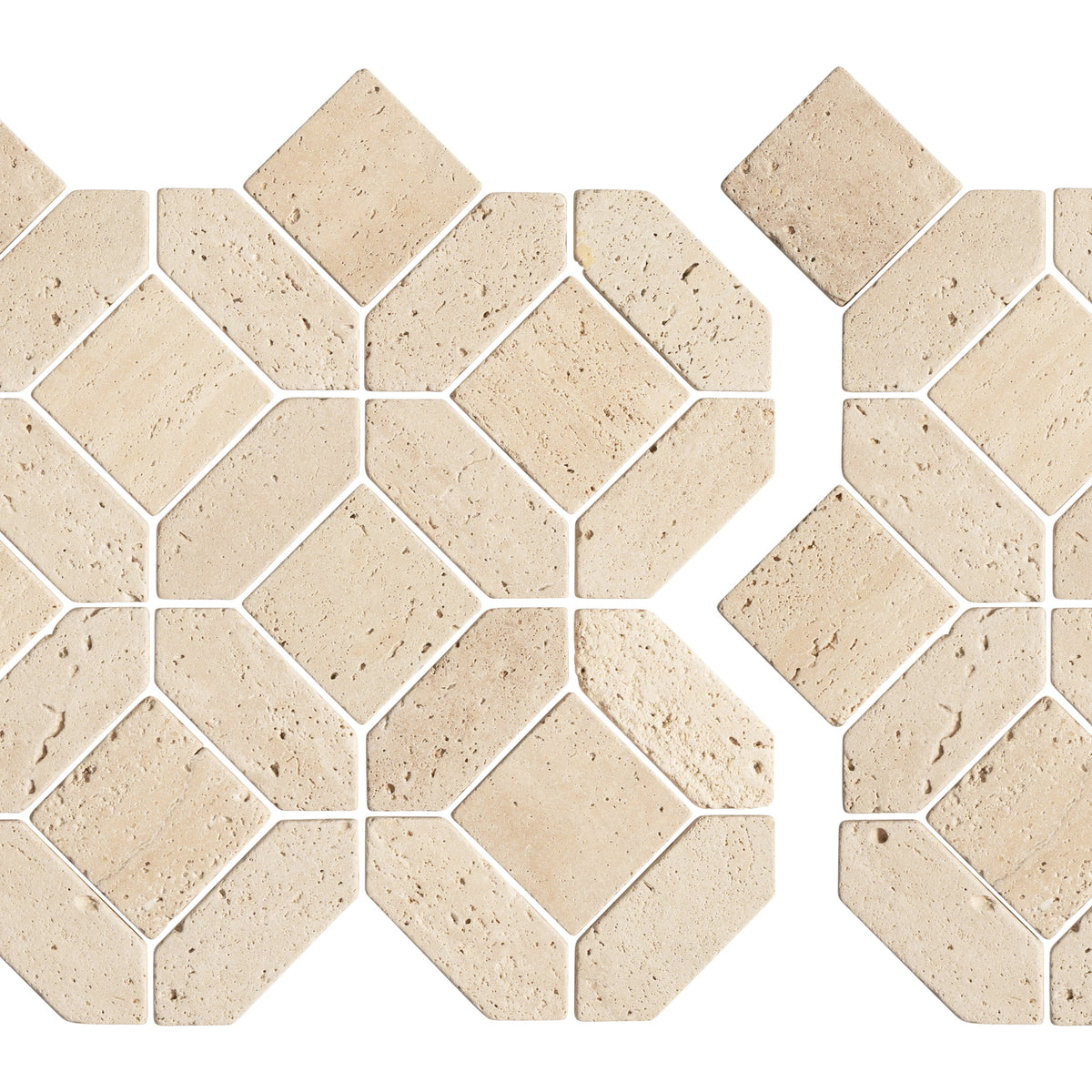
The Design Palette’s square stone mosaics are the most essential form in our collection. Small squares of natural stone create a clean, even rhythm, so colour, veining and finish become the focus. In larger Marrakech and Geo designs, squares combine into pattern with a Mediterranean and Moroccan spirit.
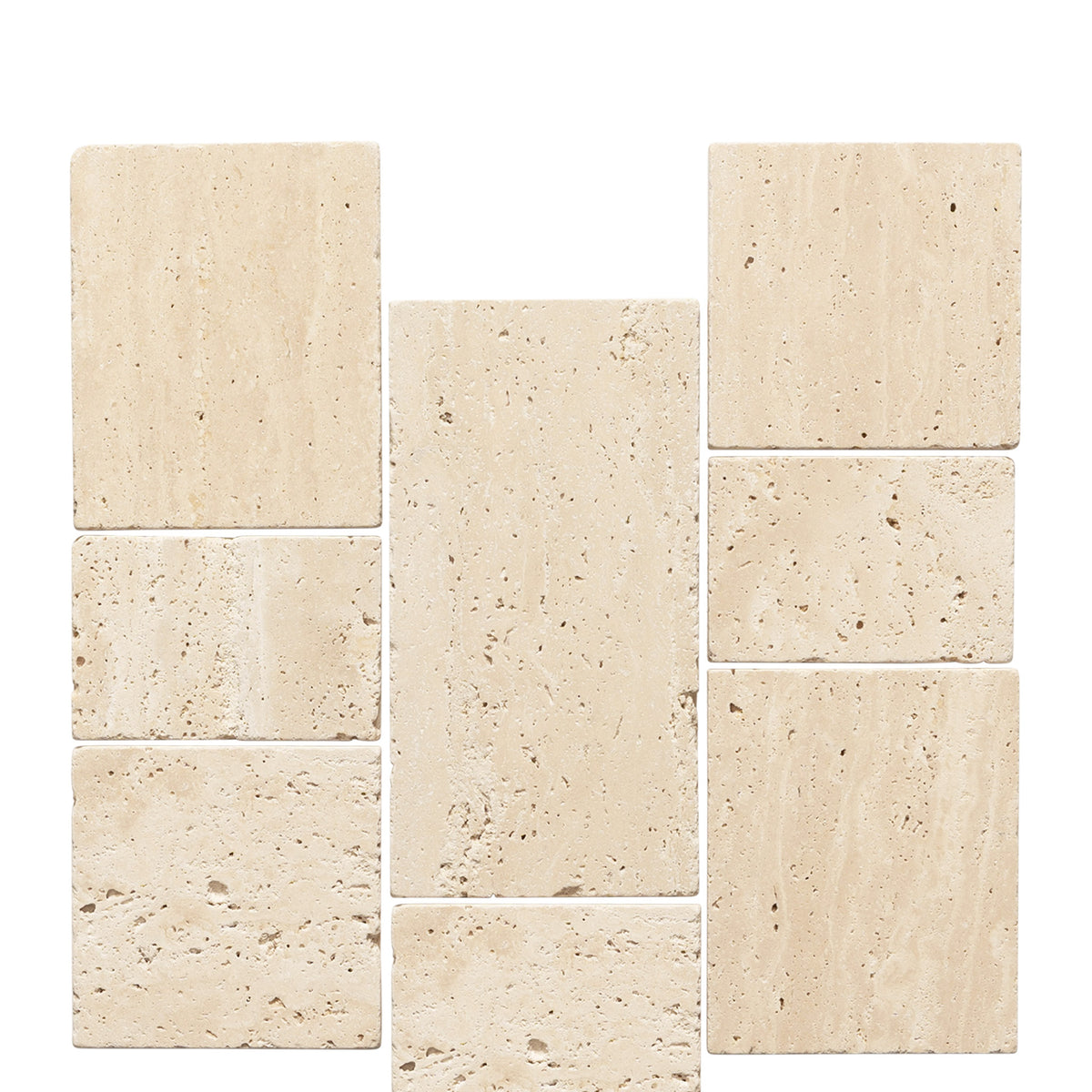
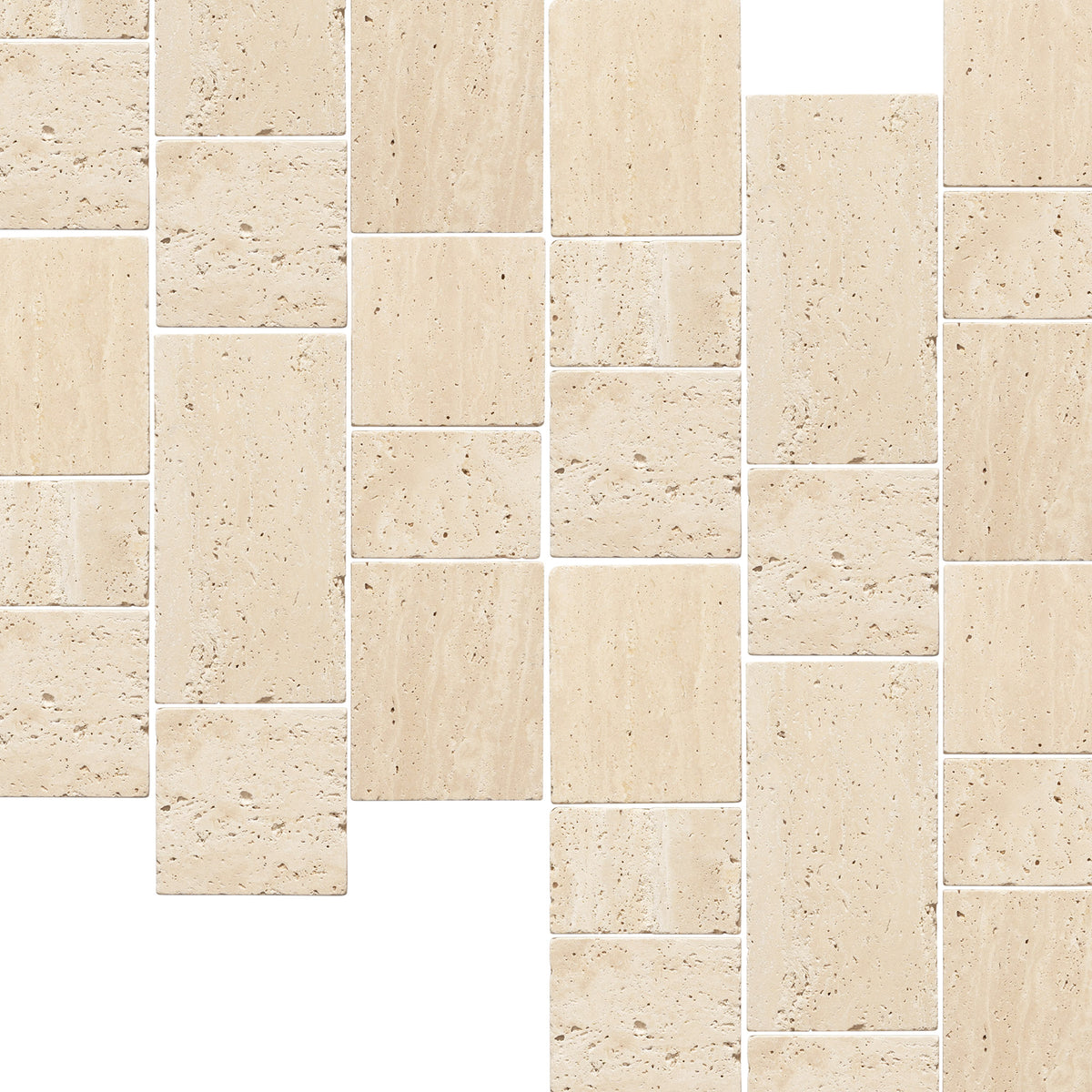
Available in tumbled and honed squares, Marrakech, Marrakech XL and Geo designs, in Botticino, Carrara, Travertine, Verde Cristallo and Taj Green, our square mosaics suit kitchen splashbacks, bathroom floors and walls, and wet areas. Based in Sydney and supplying projects across Australia, we work with architects, interior designers, builders and homeowners who value simplicity, proportion and timeless design.
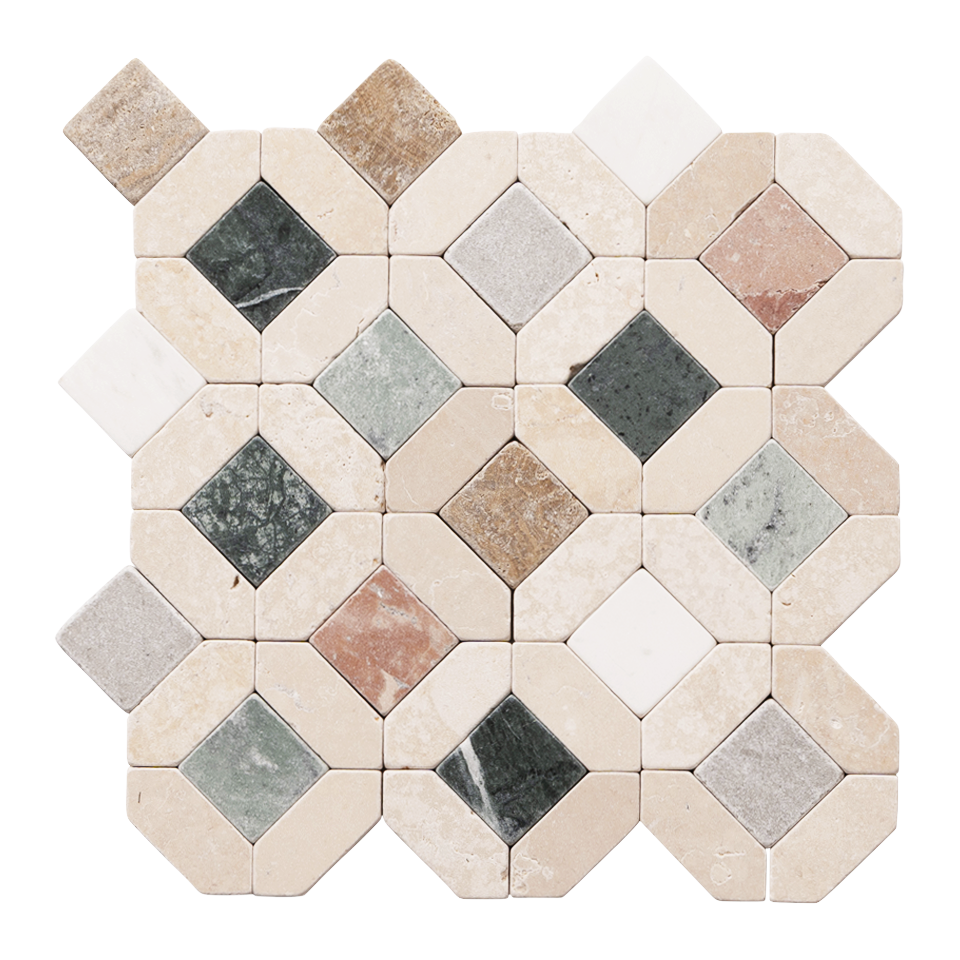
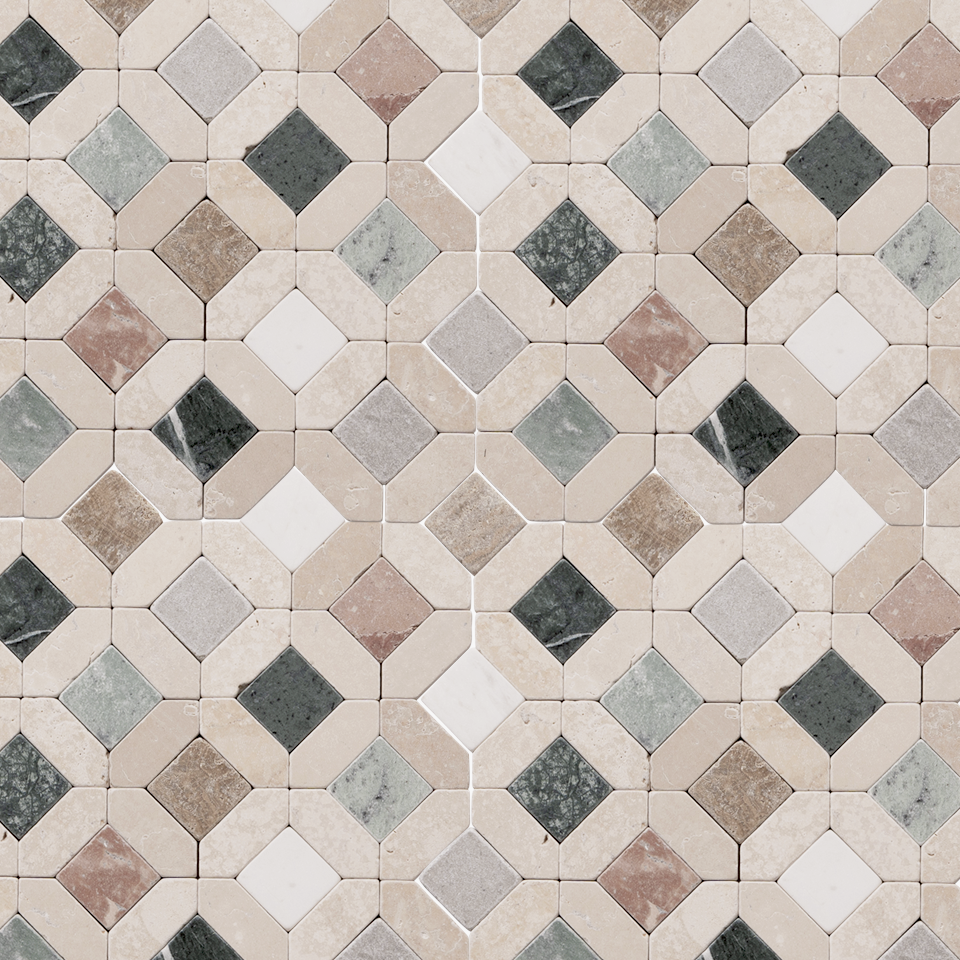
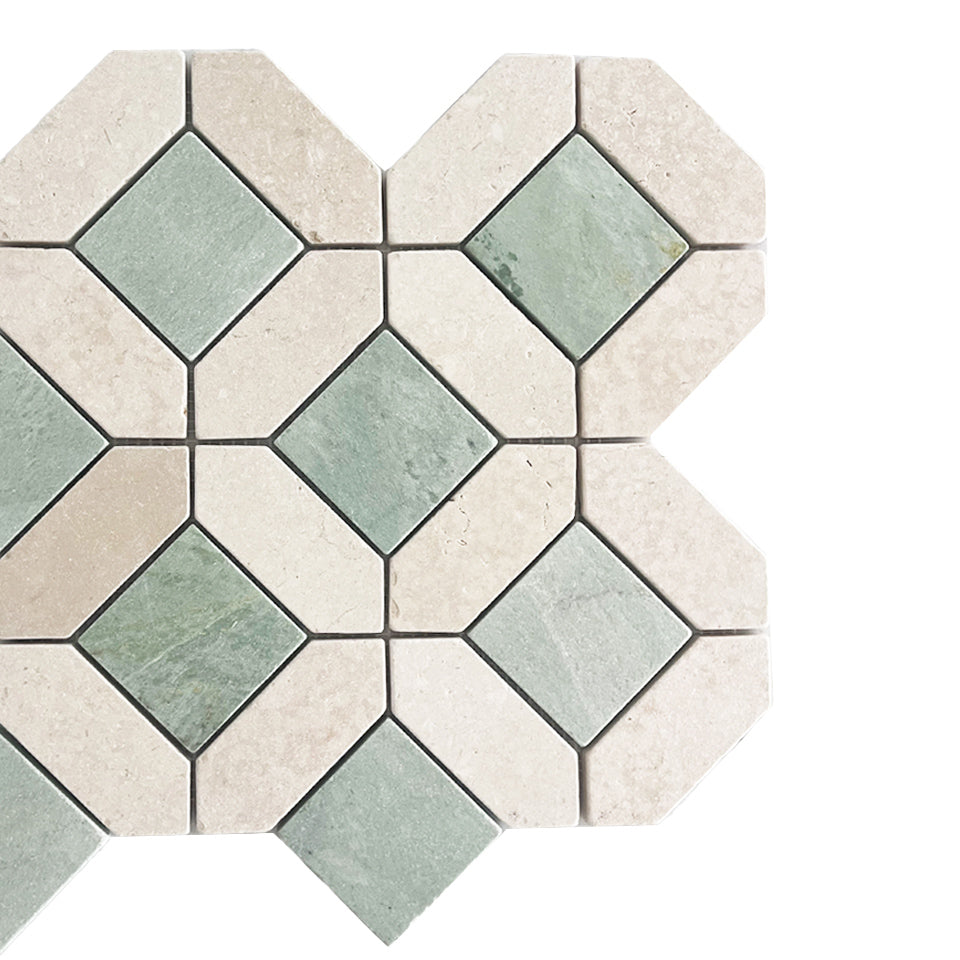
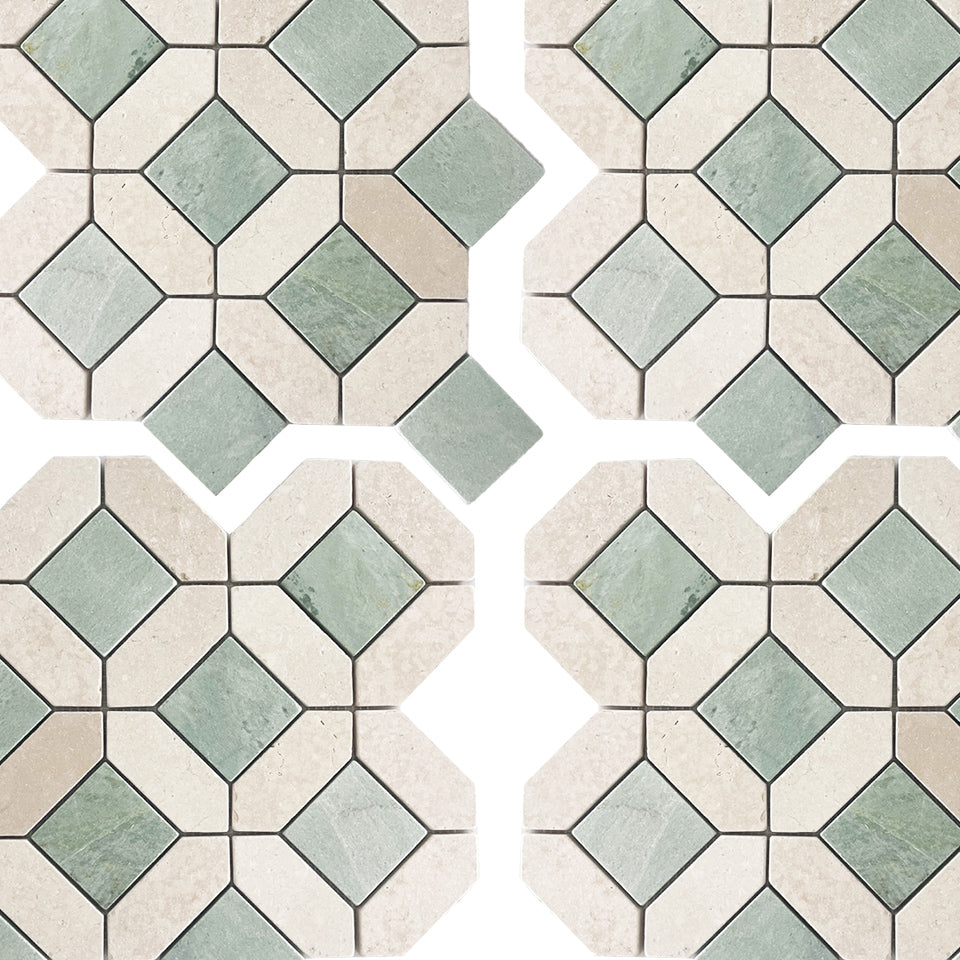



SHAPE // SQUARE
ORIGIN + History
Mosaic began with the square. Early Greek mosaics were made from natural river pebbles, but by Roman times craftsmen were cutting stone into small cubes called tesserae, a word linked to the Greek for “four”, after their four corners. Laid in close rows, they formed the floors and walls of villas, baths and temples across the empire.
Two thousand years later, the small square remains a classic of period bathrooms and contemporary kitchens alike. Its simplicity is its strength: in natural stone, the square becomes a frame for the material’s own colour and character.
SHAPE // SQUARE
The Stones of square
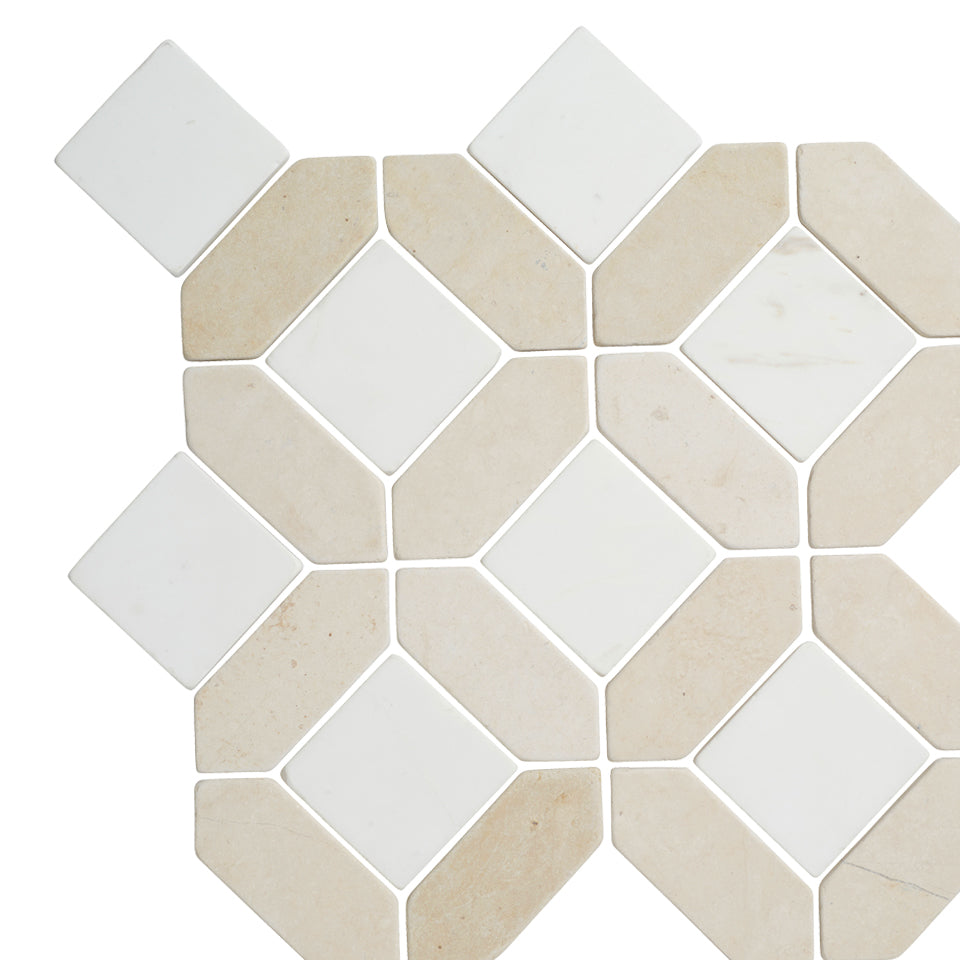
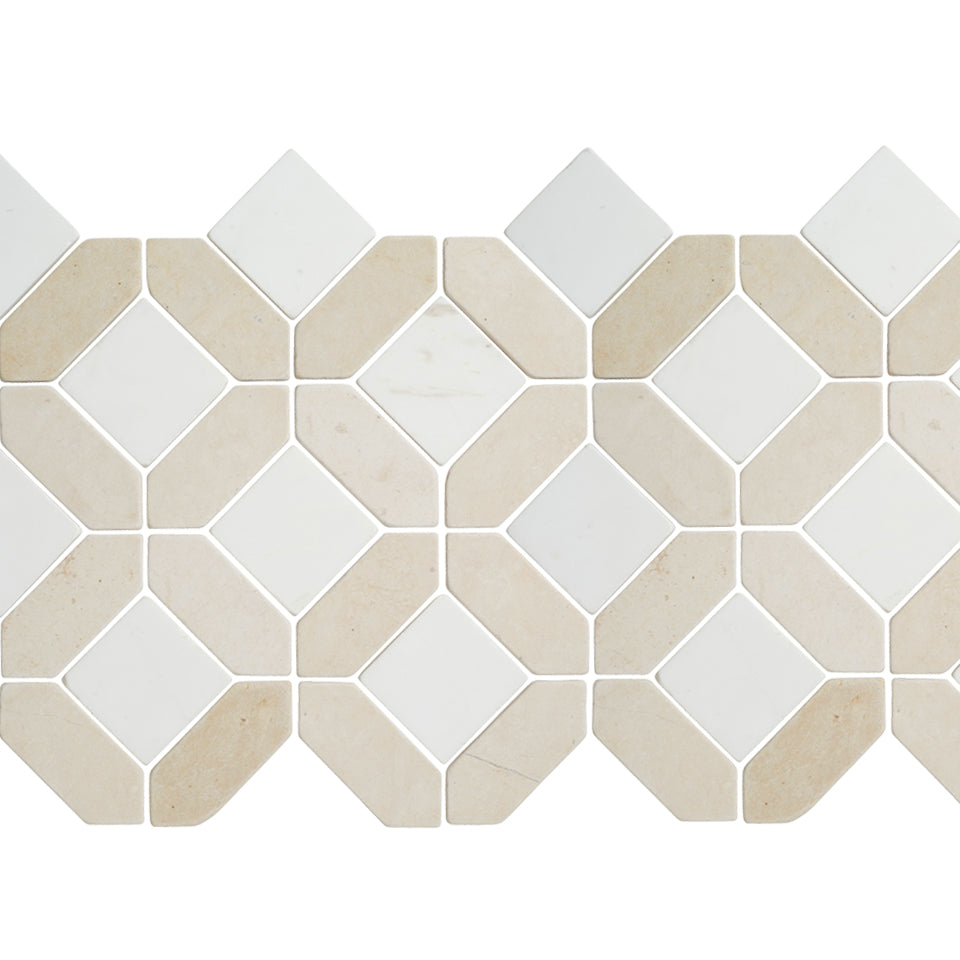
Botticino and Carrara. Tumbled Italian cream and white, softly aged at the edges.
Travertine. Honed cream travertine, calm and warm.
Verde Cristallo. Soft sage in Marrakech XL.
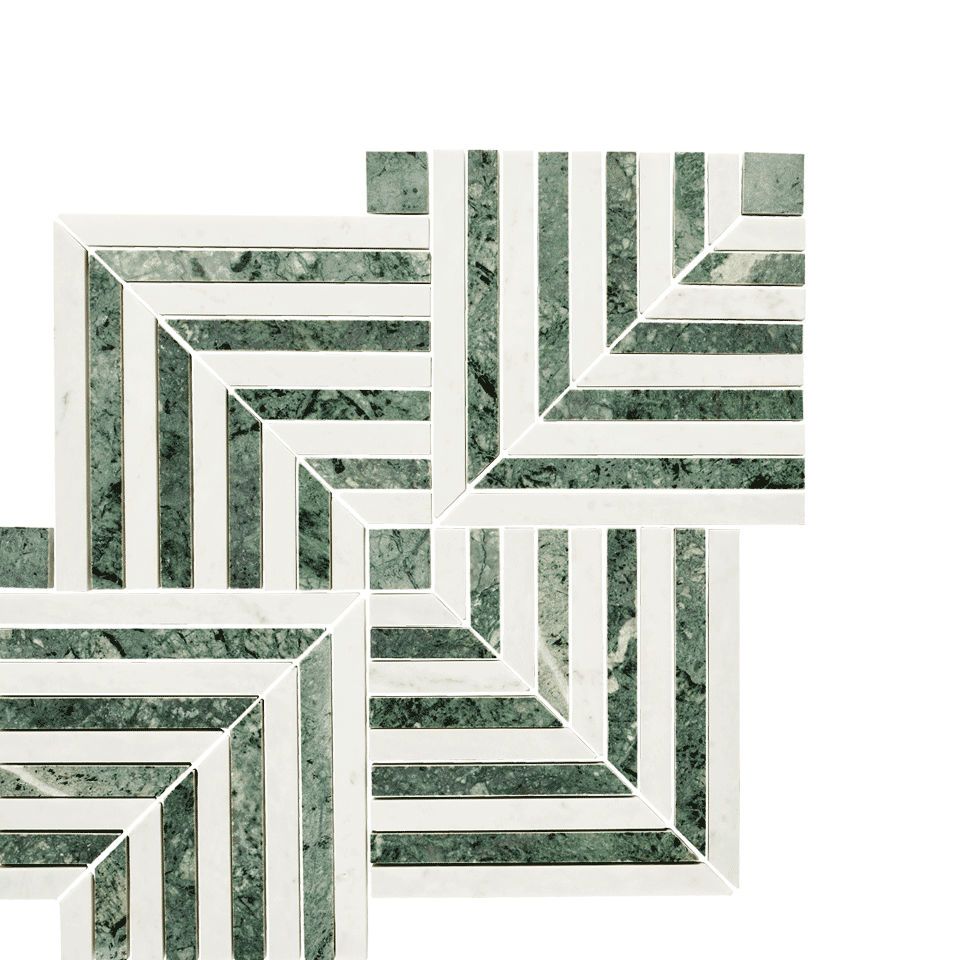
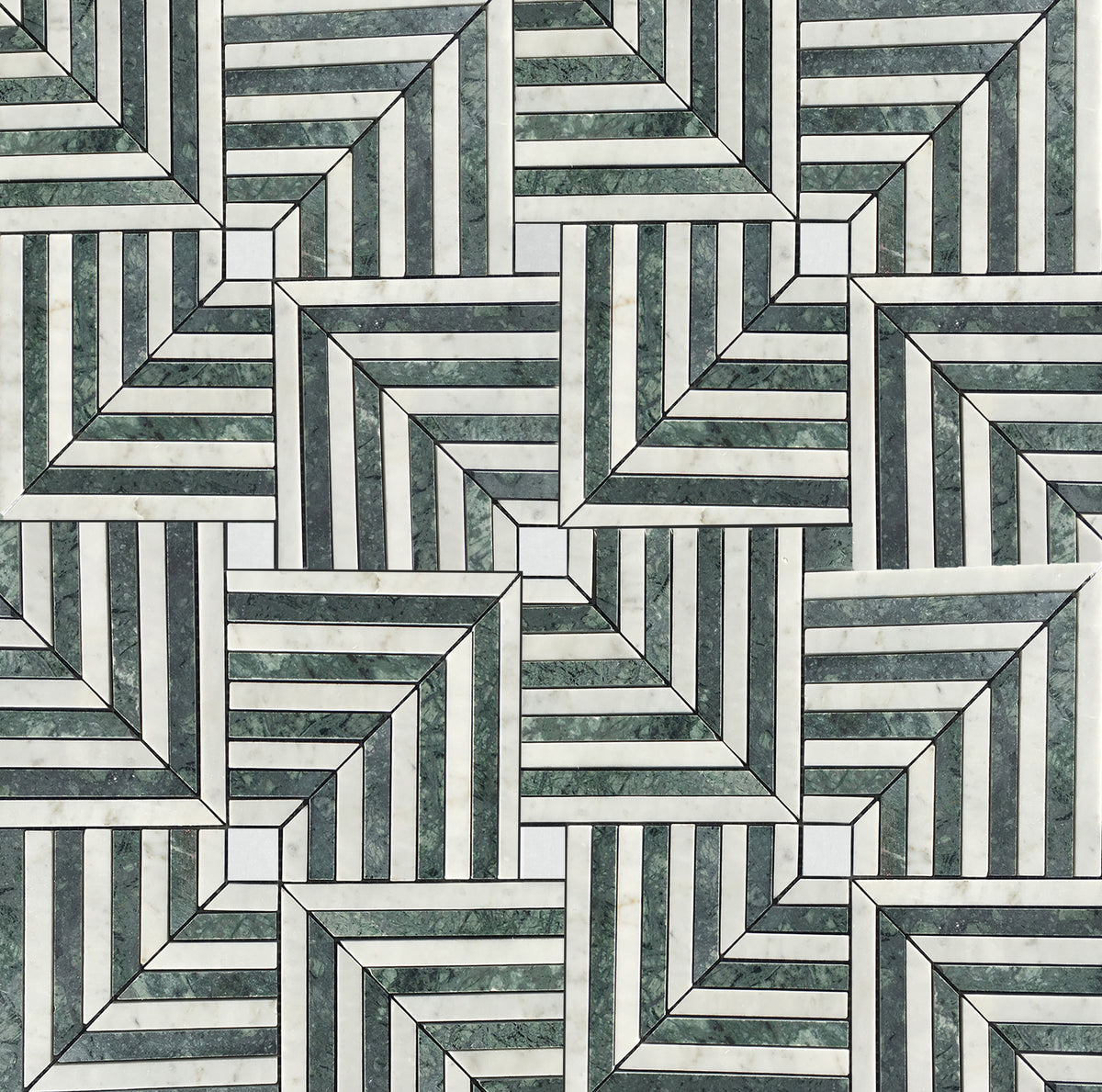
Taj Green and Carrara. Deep green with Italian white in the graphic Geo design.
At The Design Palette, we see the square as the origin of every mosaic. Cut from natural stone, these mosaics remain beautiful for decades, gaining character over time rather than wearing out. In a design culture of constant replacement, that endurance is its own form of sustainability.