
Travertine
Formed by Water, Shaped by Time
Traditionally quarried in Italy and Turkey, travertine is a natural limestone valued for its longevity. Responsibly sourced and well specified, it ages with grace, developing a soft patina that only deepens its character over time. This makes it one of the most considered natural stone choices in contemporary architecture and interior design.
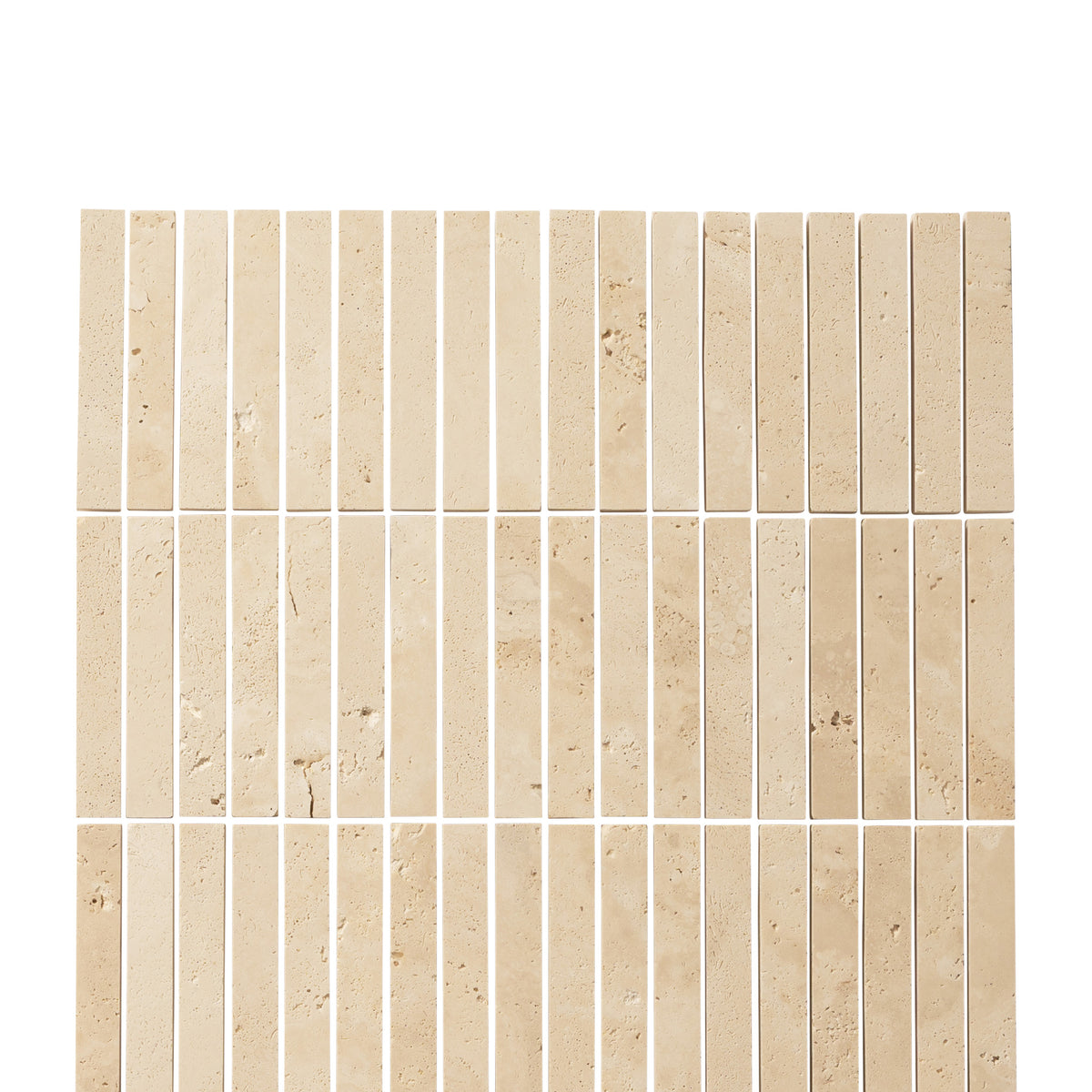
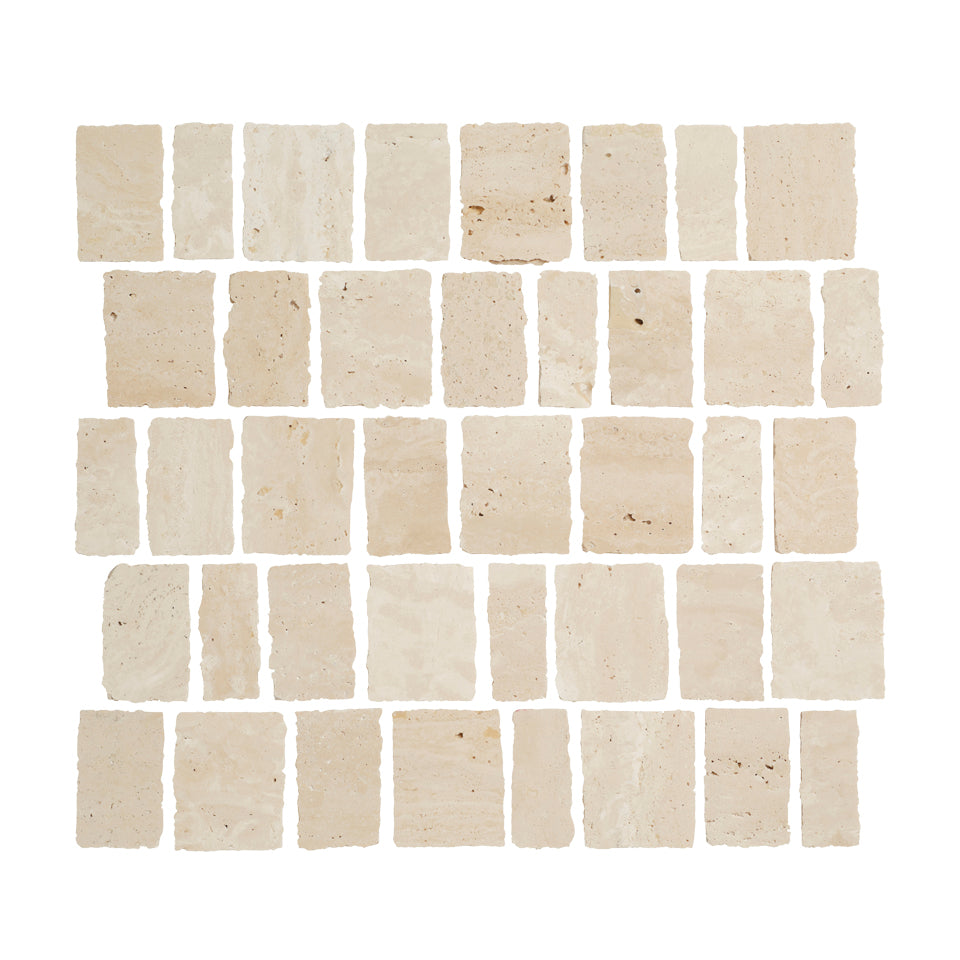
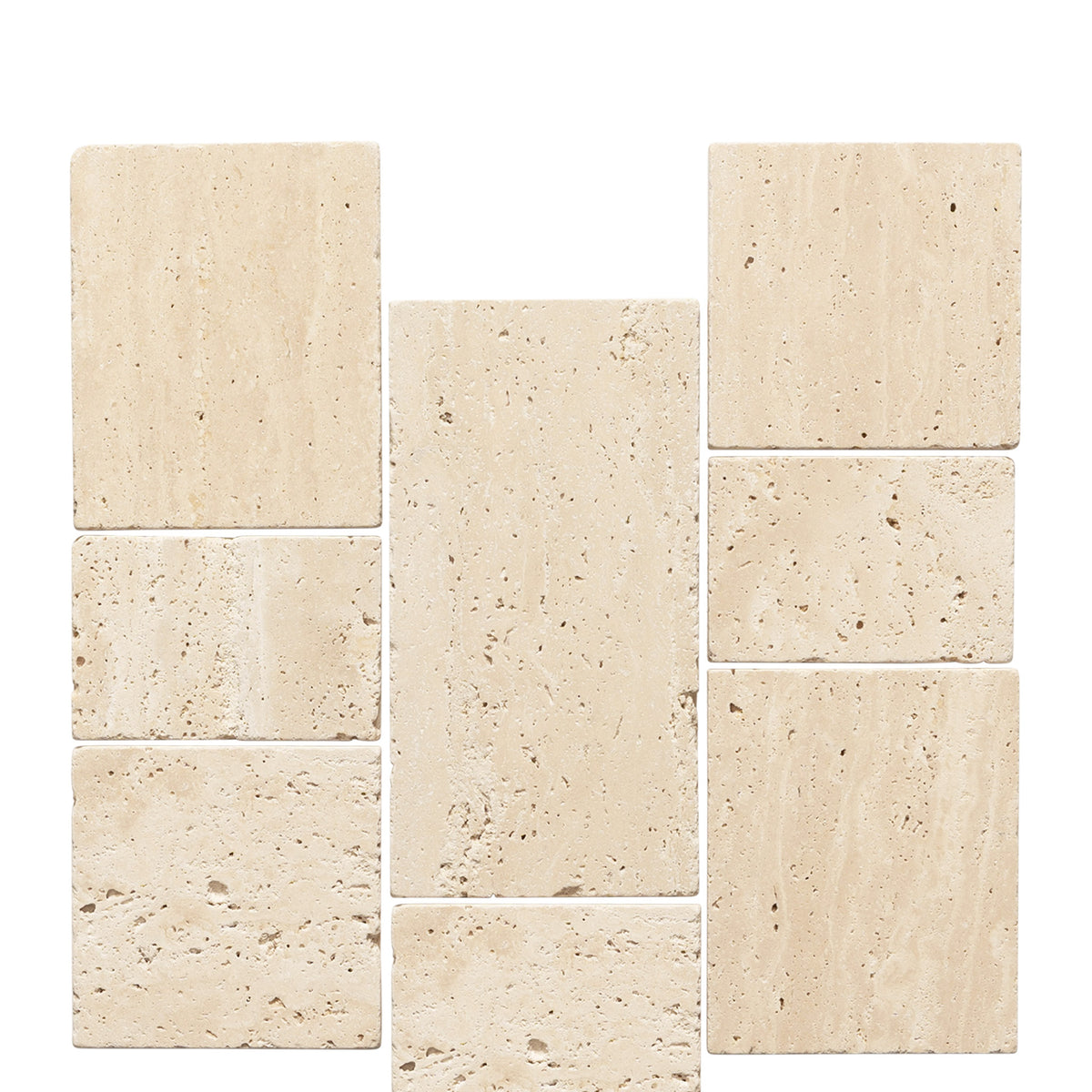
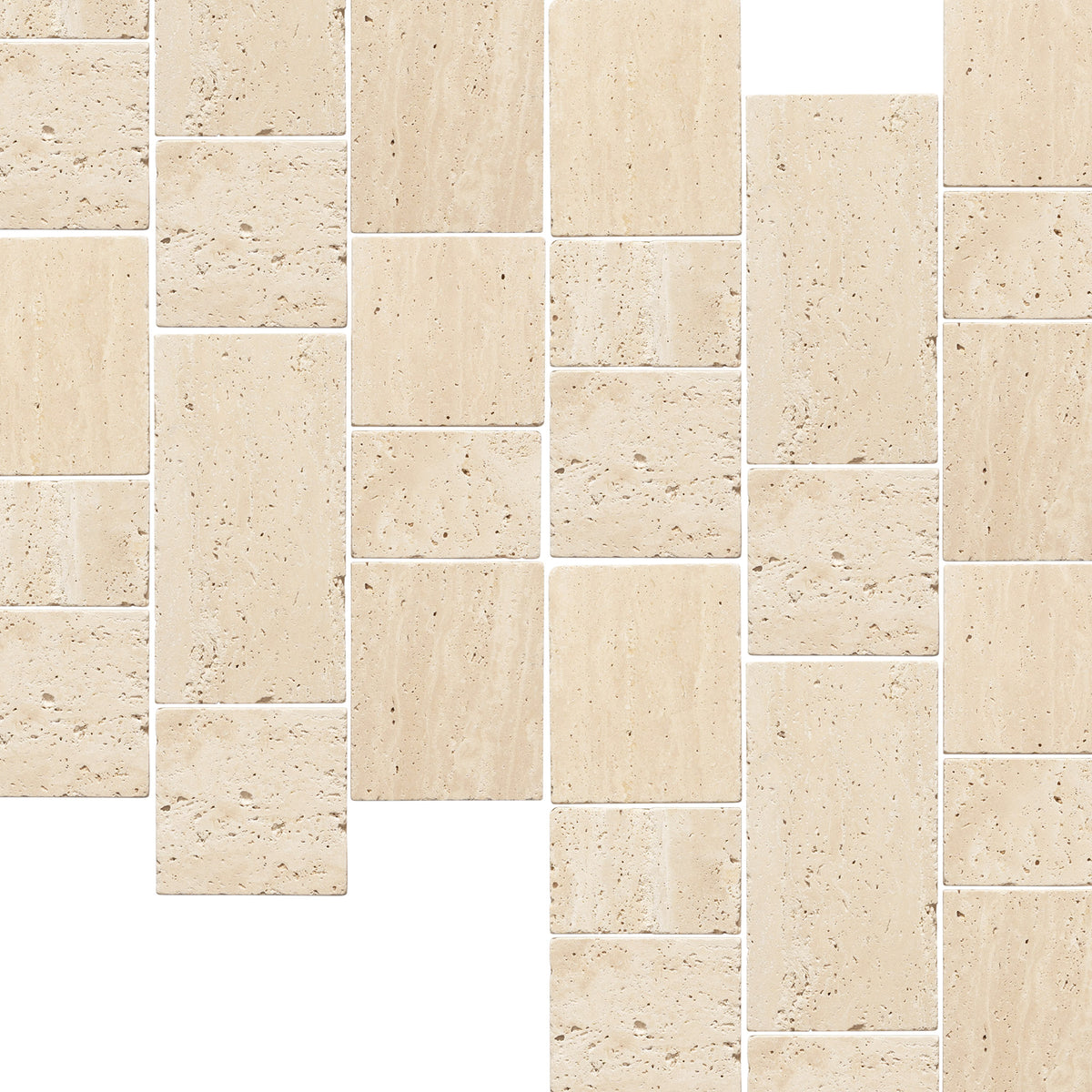
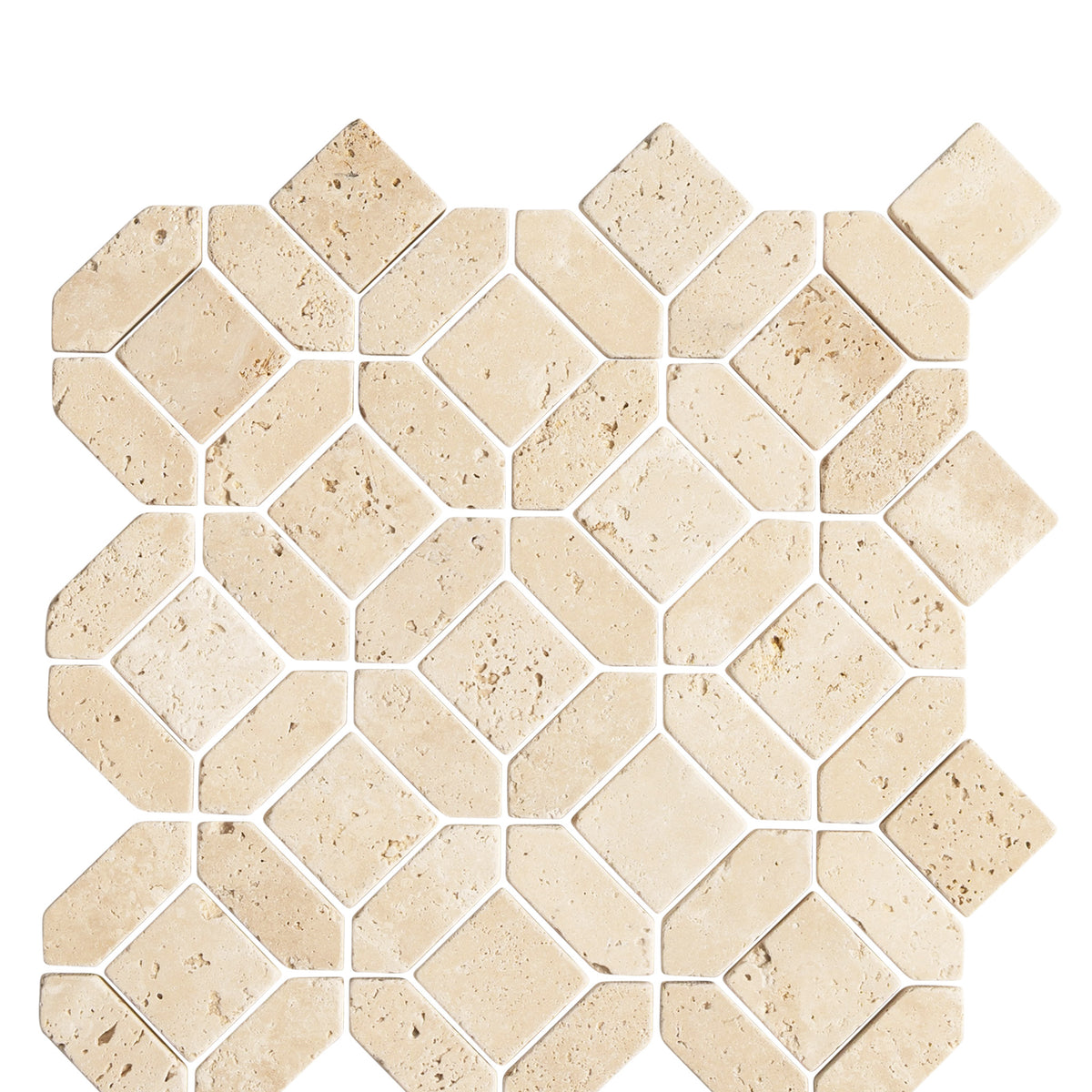
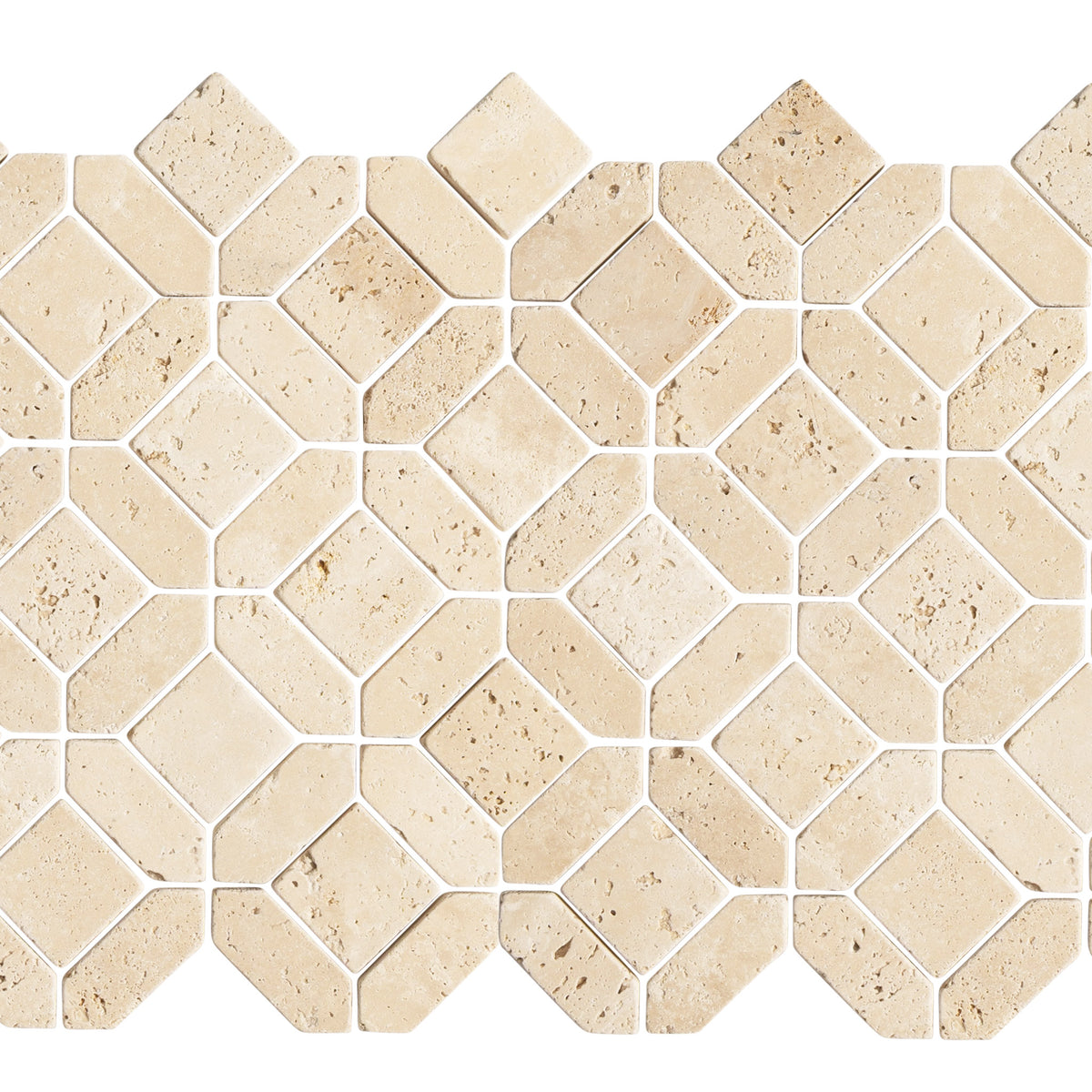
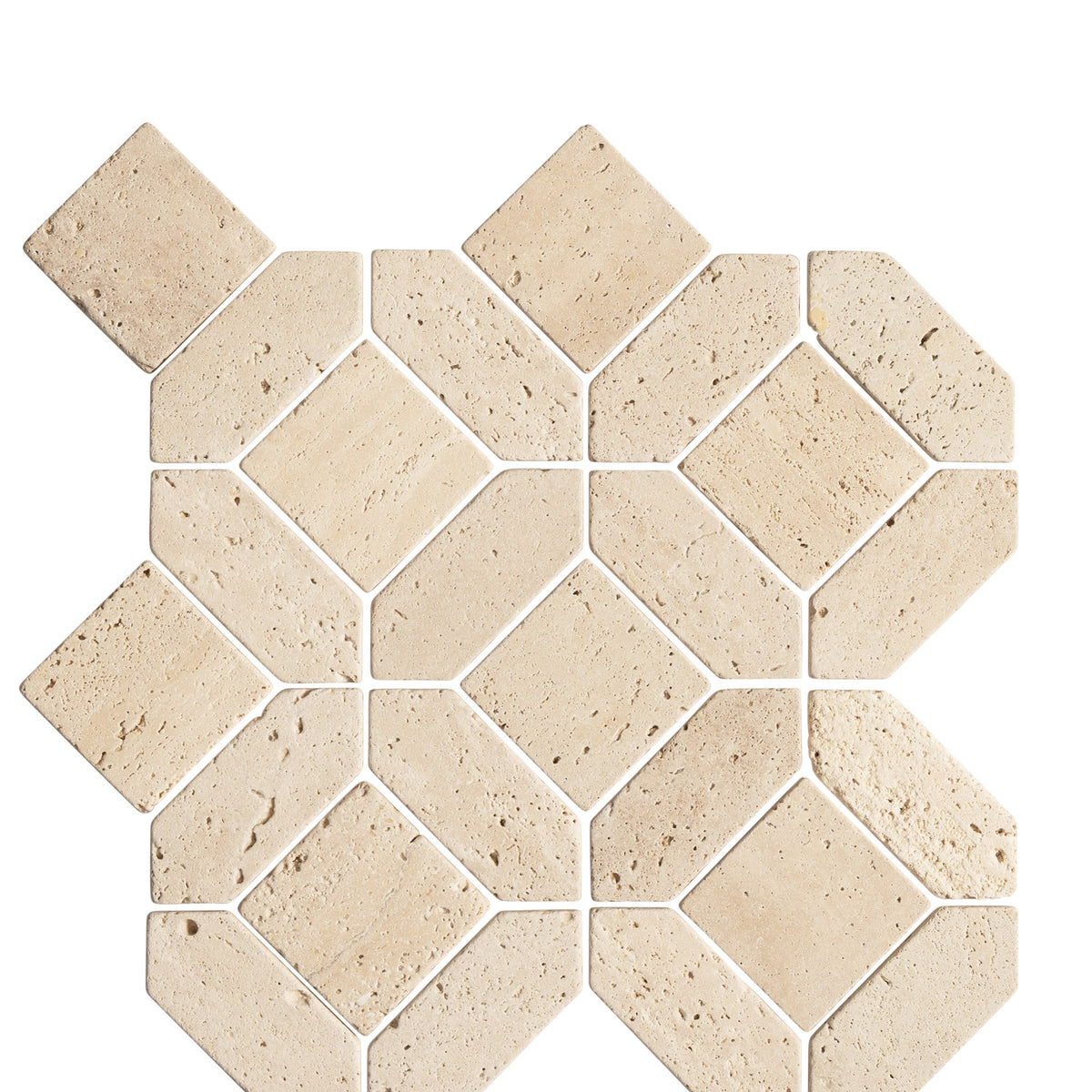
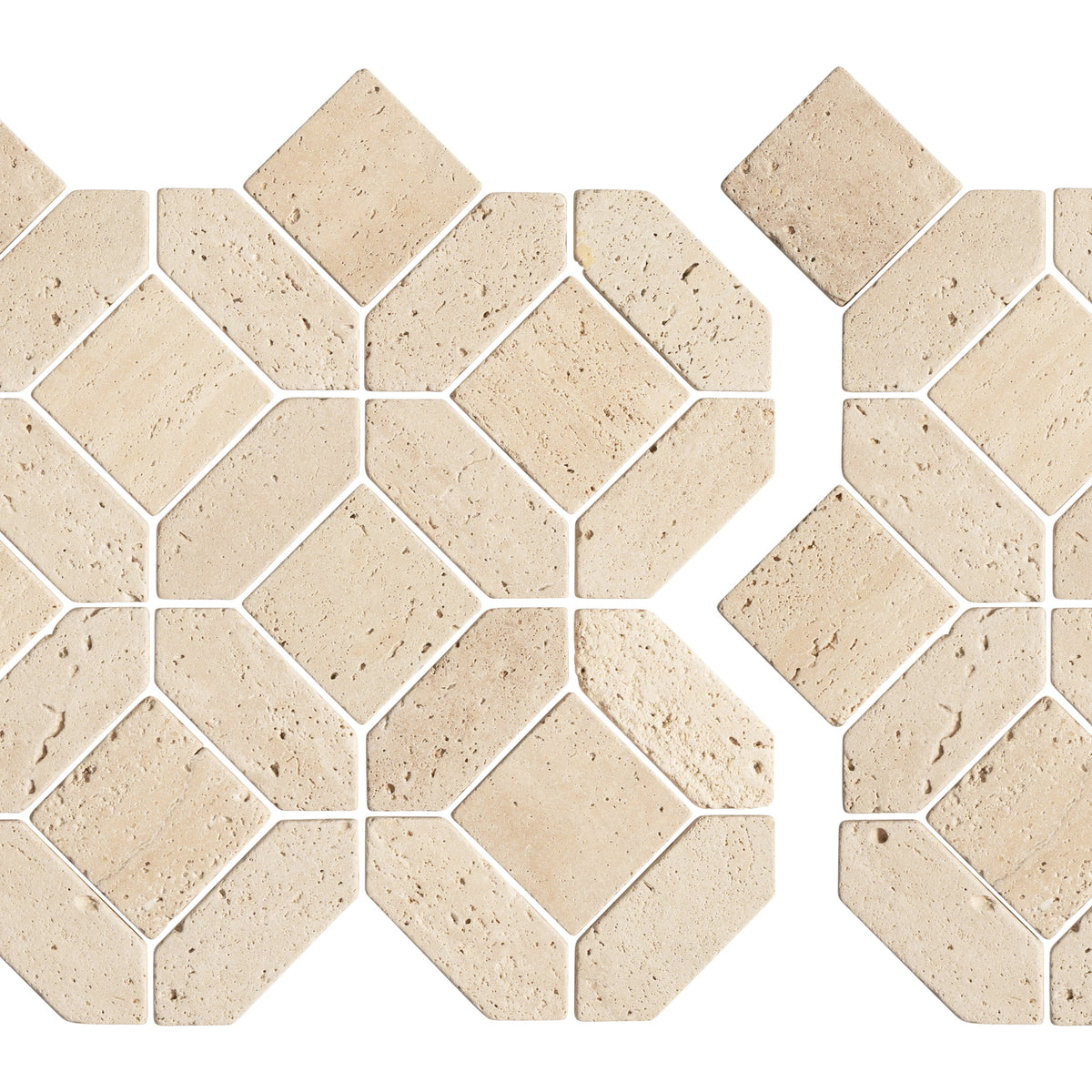
The Design Palette's curated collection of travertine stone mosaics, in Classic and Cream honed finishes, translates this ancient material into precise, architectural formats. From fluted and KitKat profiles to Pompeii, Scarpa and square mosaic tiles, each design brings texture and warmth to kitchen splashbacks, bathroom feature walls, wet areas and joinery details. Based in Sydney and supplying projects across Australia, we work with architects, interior designers, builders and homeowners who want natural stone with depth, integrity and timeless appeal.


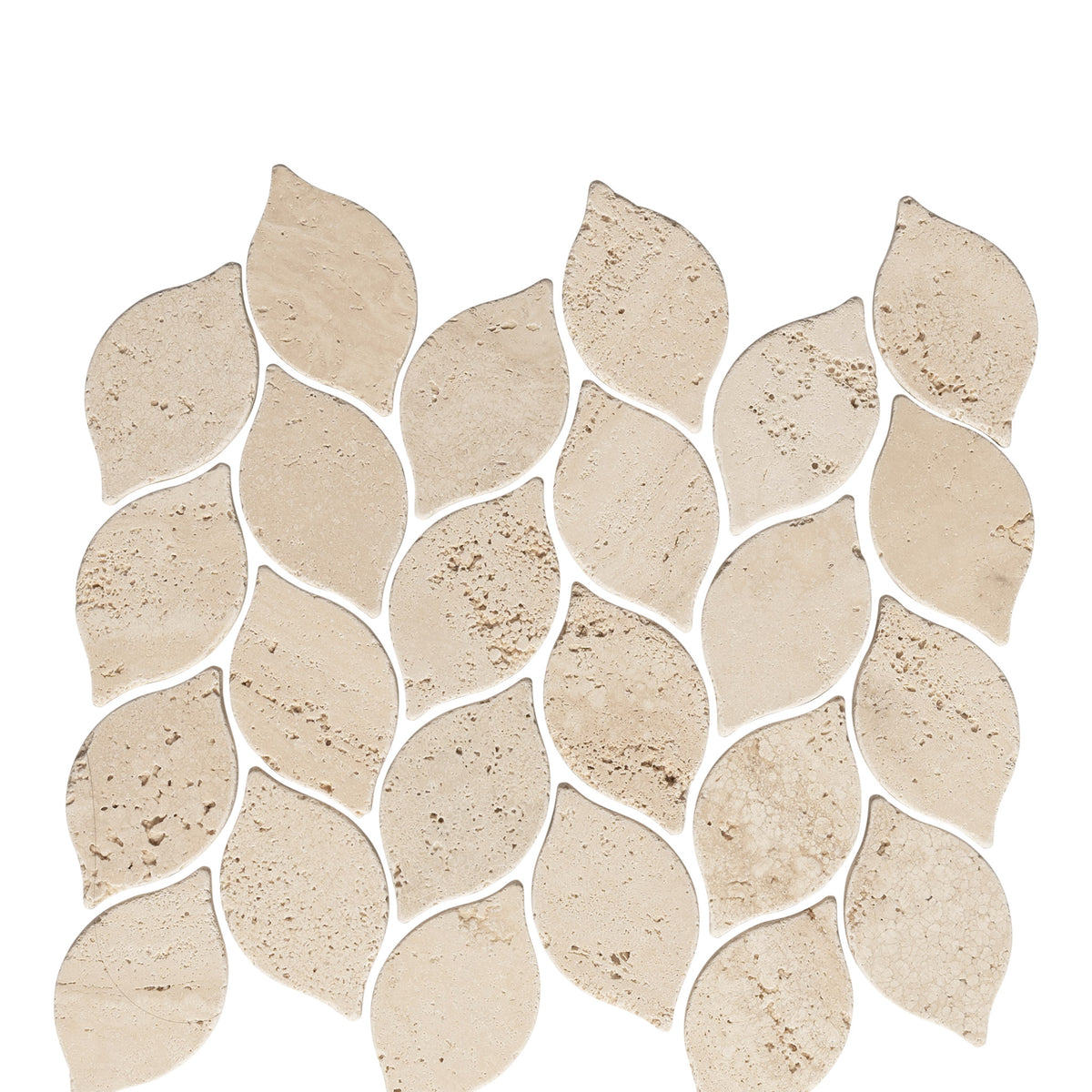
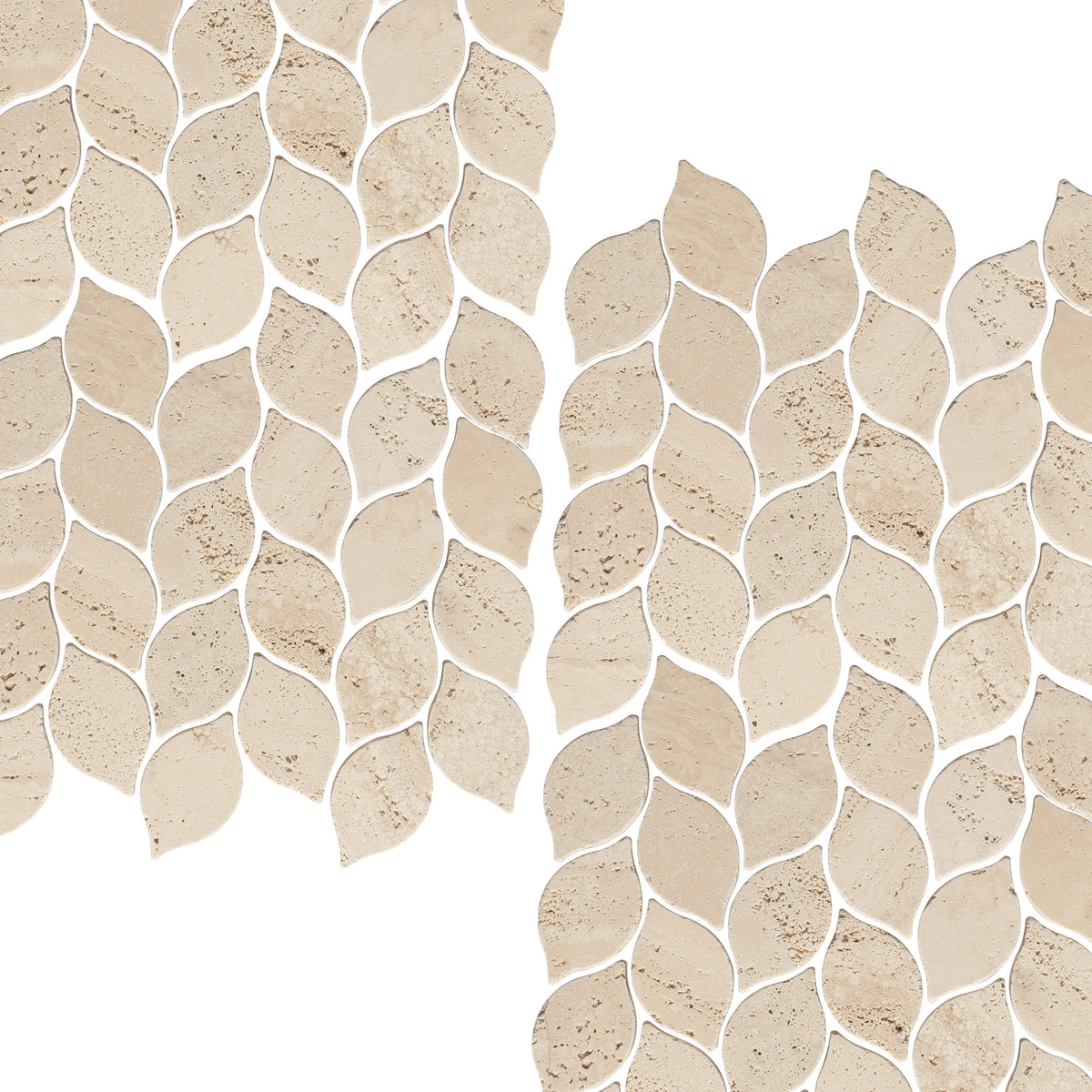
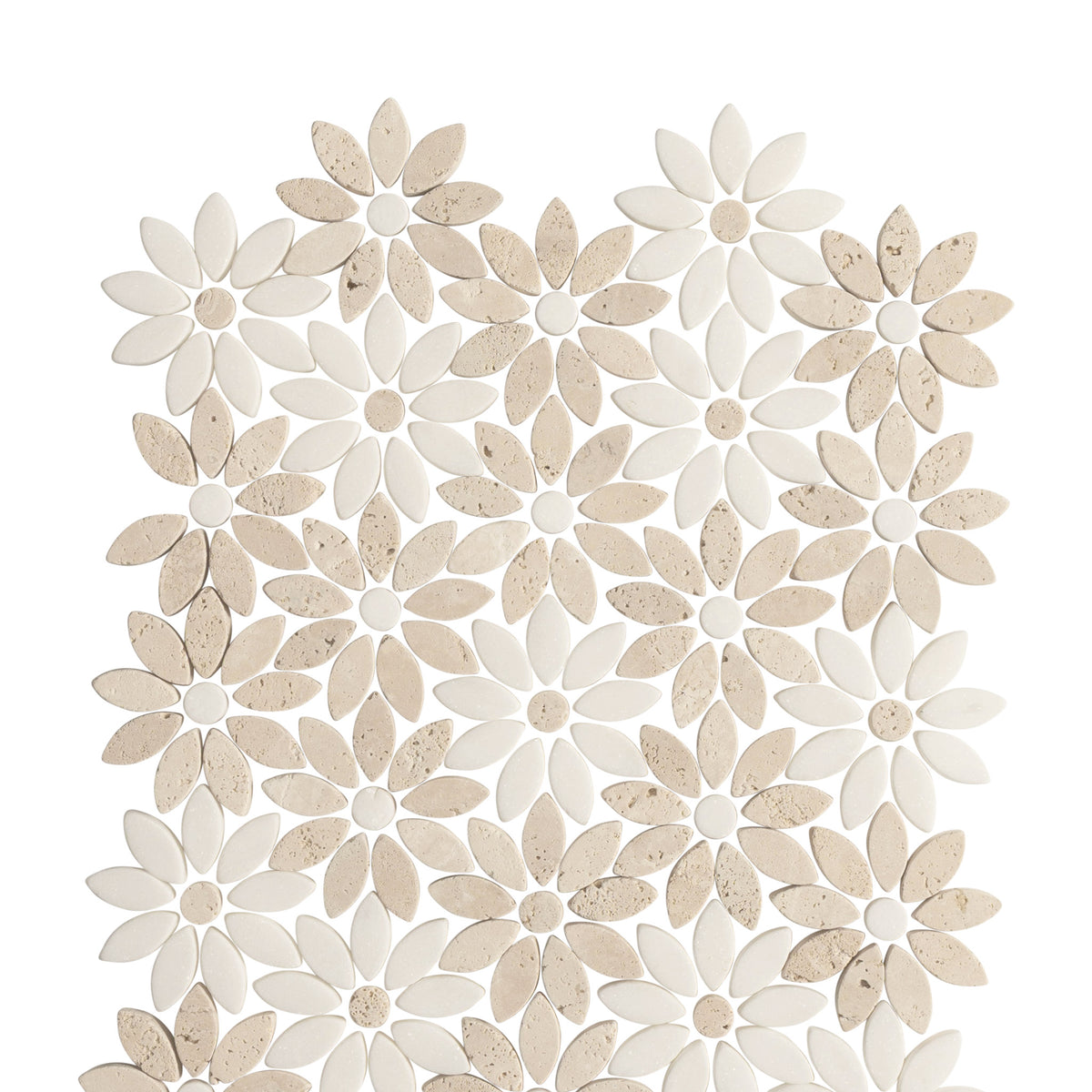
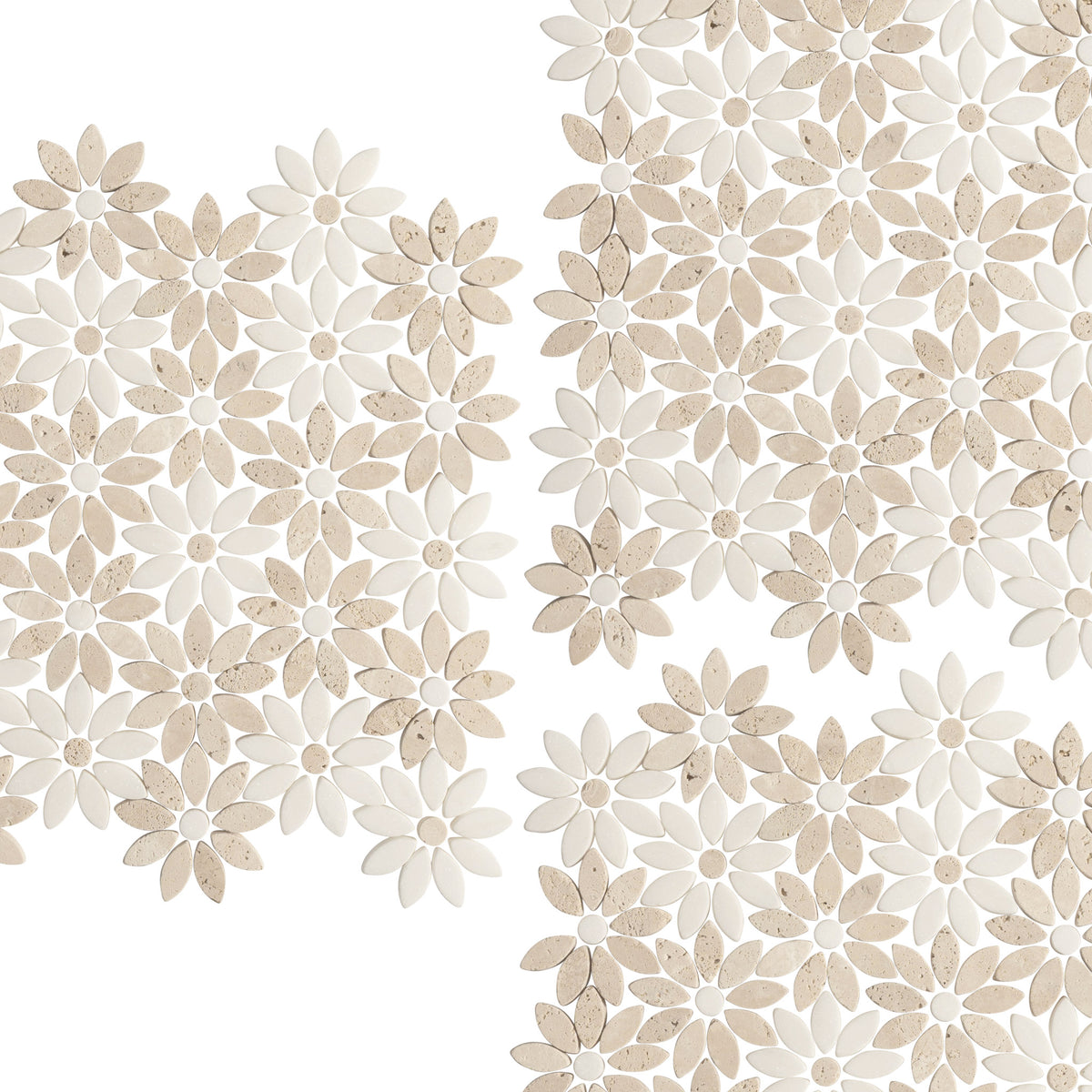


TRAVERTINE
ORIGIN + History
Travertine begins underground. Warm spring water moves through limestone, drawing calcium carbonate into solution. When it rises and meets the air, carbon dioxide releases and the minerals settle, layer upon layer, slowly hardening into stone. Its characteristic pores are the imprint of that process, small voids left by escaping gas and moving water. At Pamukkale in Turkey, the same springs are still building their white terraces today.
Few materials hold the architectural lineage of travertine. Its name traces back to lapis tiburtinus, the stone of Tibur, the ancient town now known as Tivoli, outside Rome. The Romans built the Colosseum largely from it. Bernini shaped the colonnade of St Peter's Square from it. In the twentieth century, Richard Meier clad the Getty Center in it. For more than two thousand years, travertine has been the stone architects return to when a building is meant to endure.
At The Design Palette, we see travertine as a material chosen for the long view. It remains beautiful for decades, softening and gaining character over time rather than wearing out. In a design culture of constant replacement, that endurance is its own form of sustainability.