
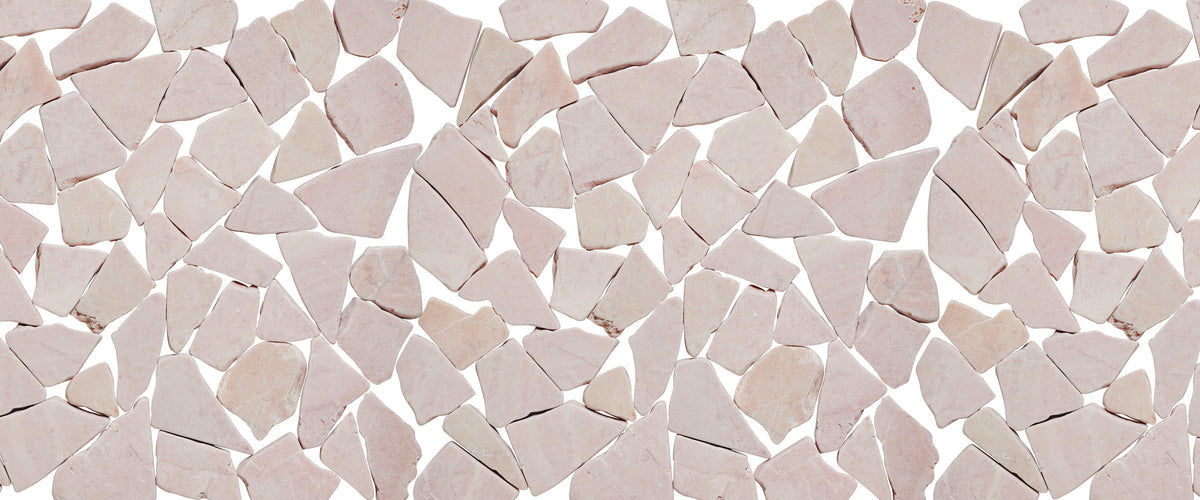
Pink
The Softest Shade of Stone
Pink brings warmth with restraint. In natural stone it moves from powder blush to deep rose, colour that softens a space without ever overwhelming it.
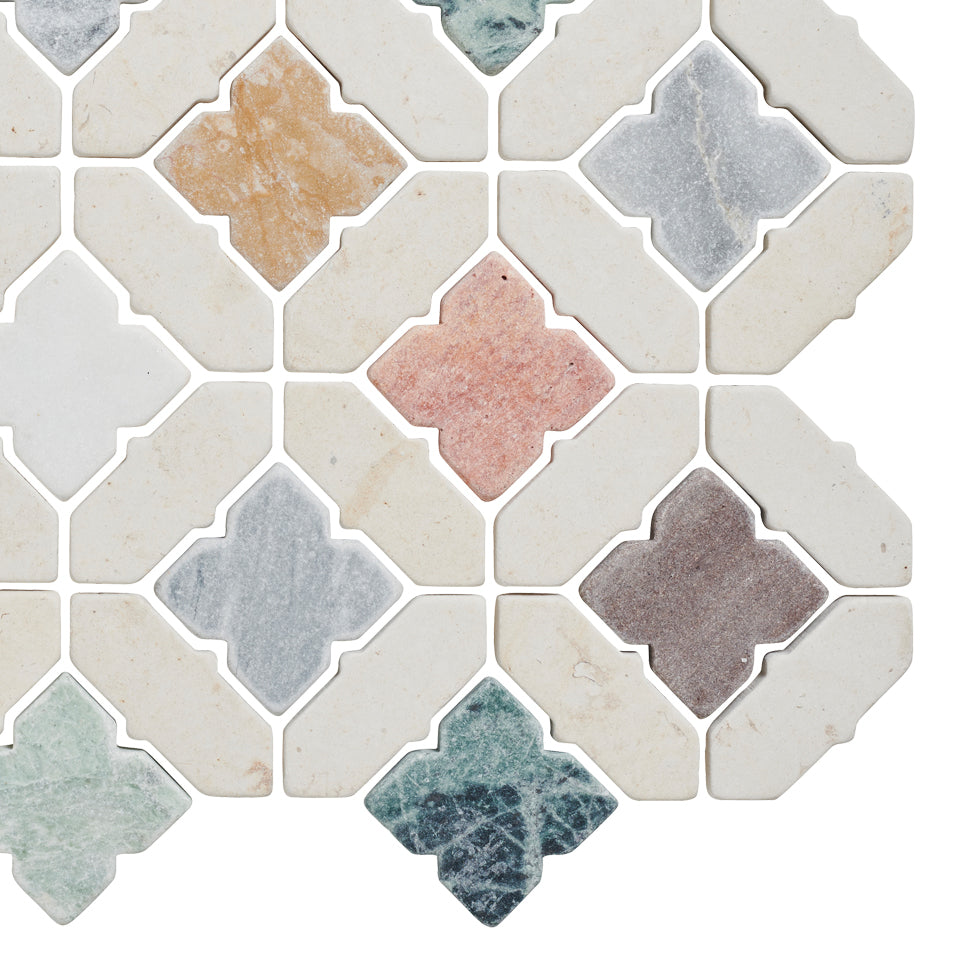
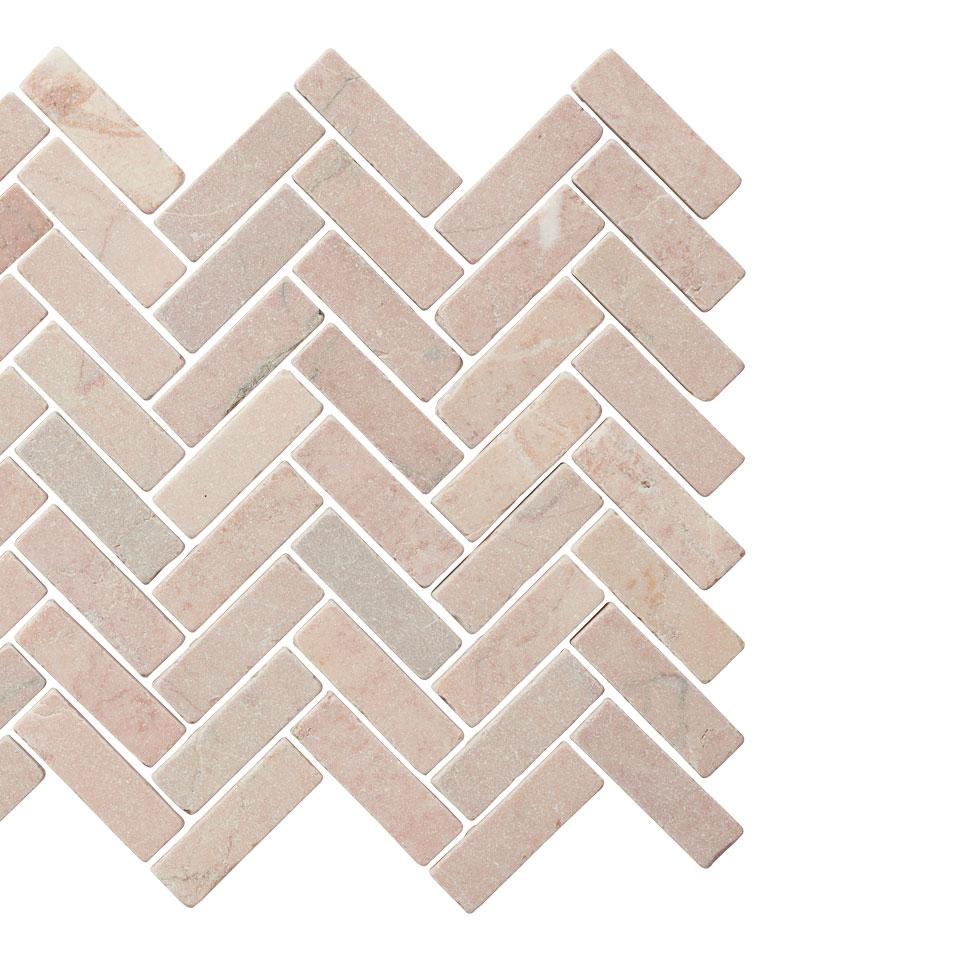
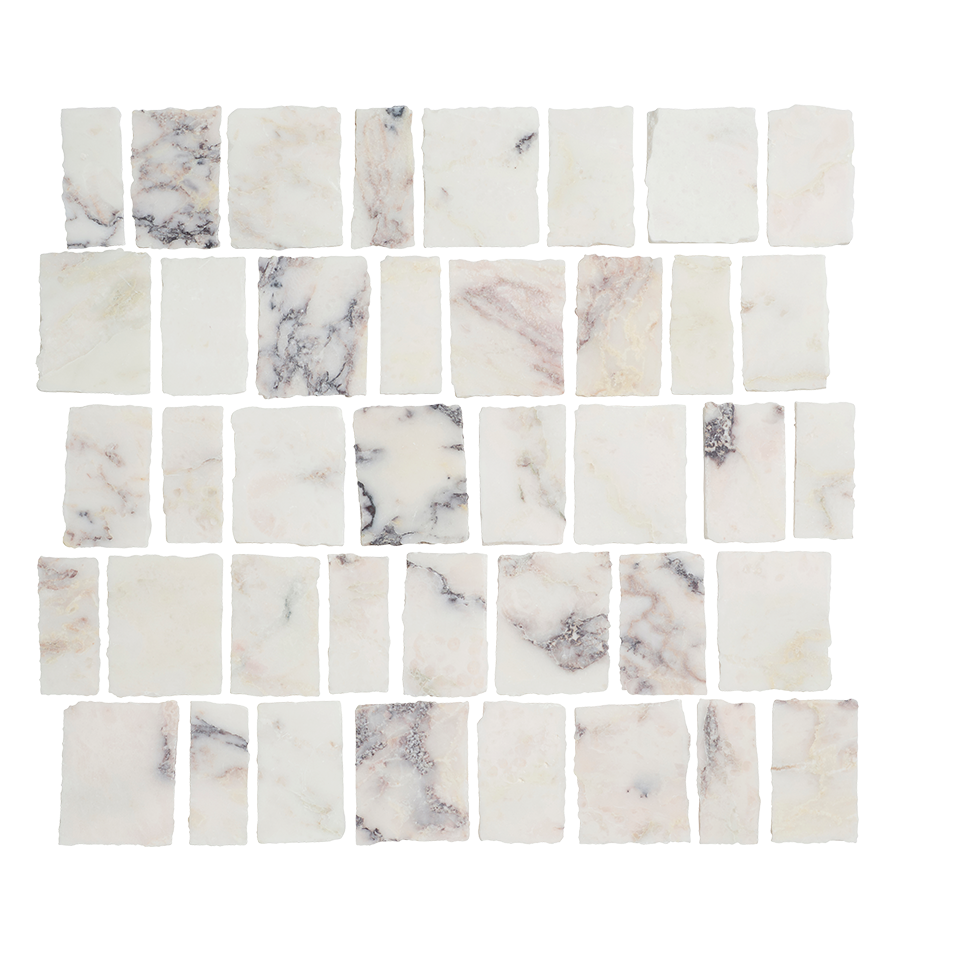
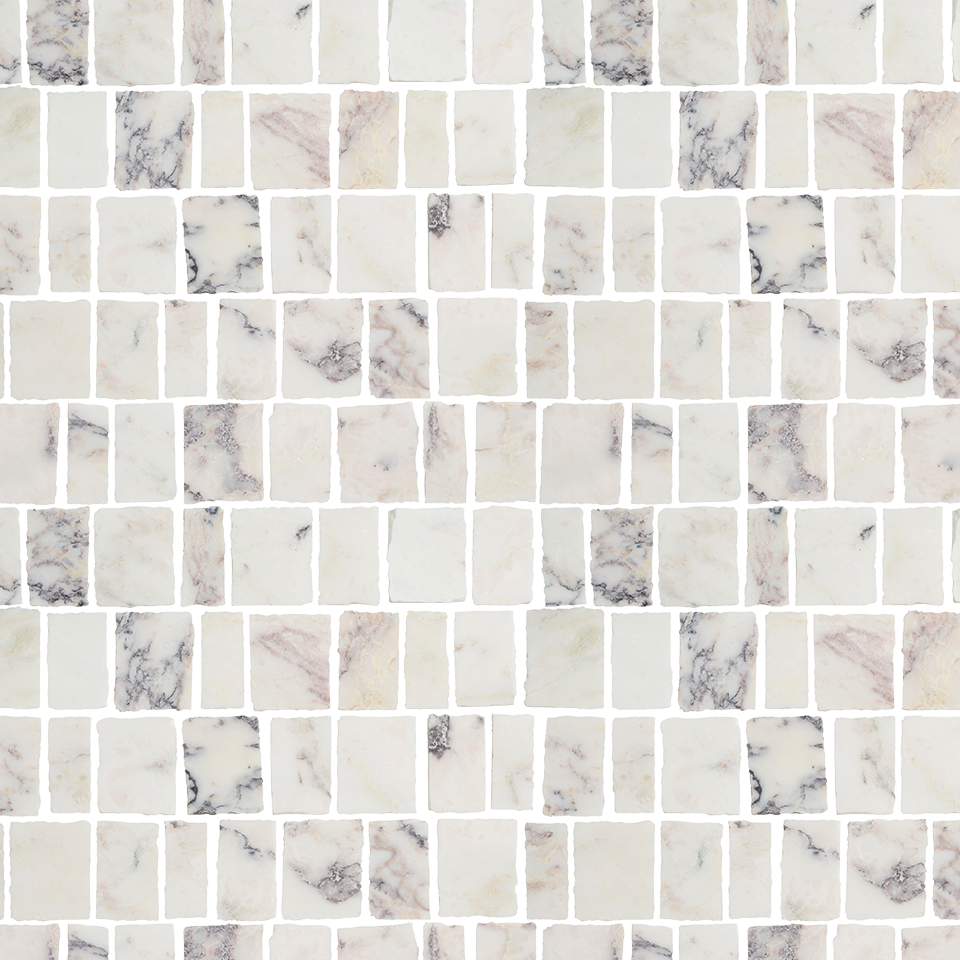
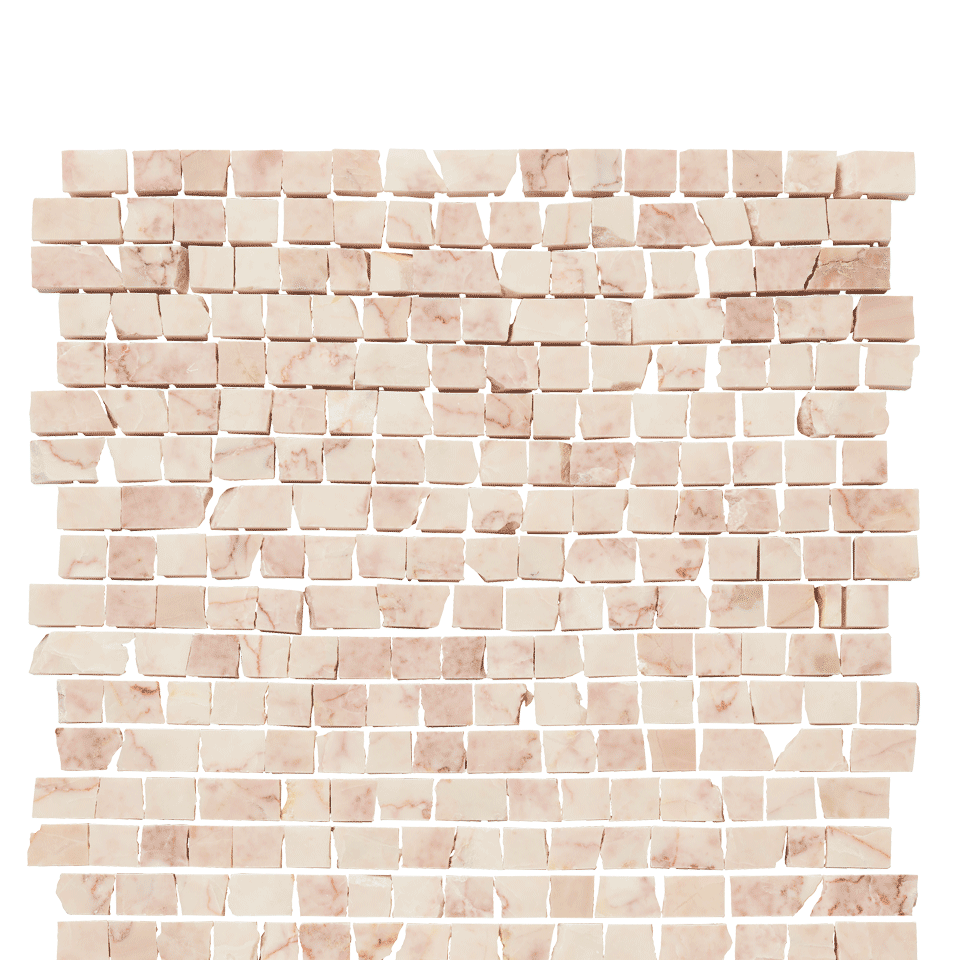
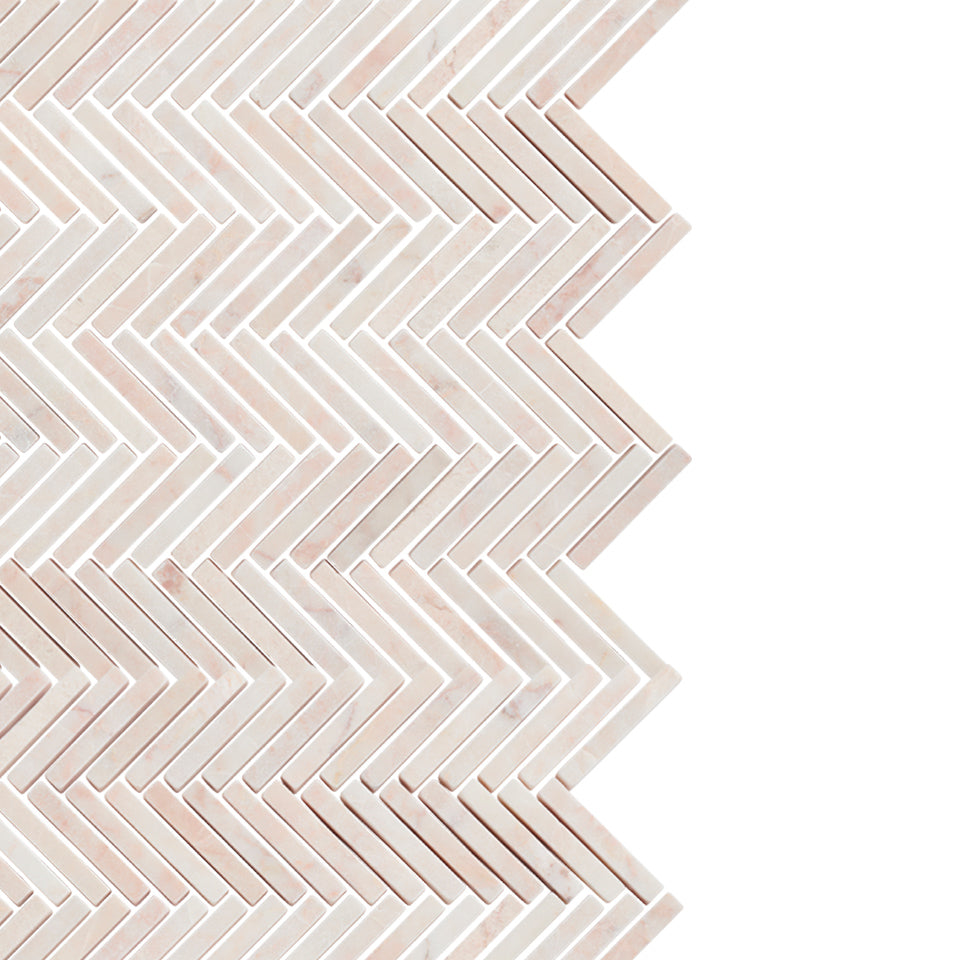
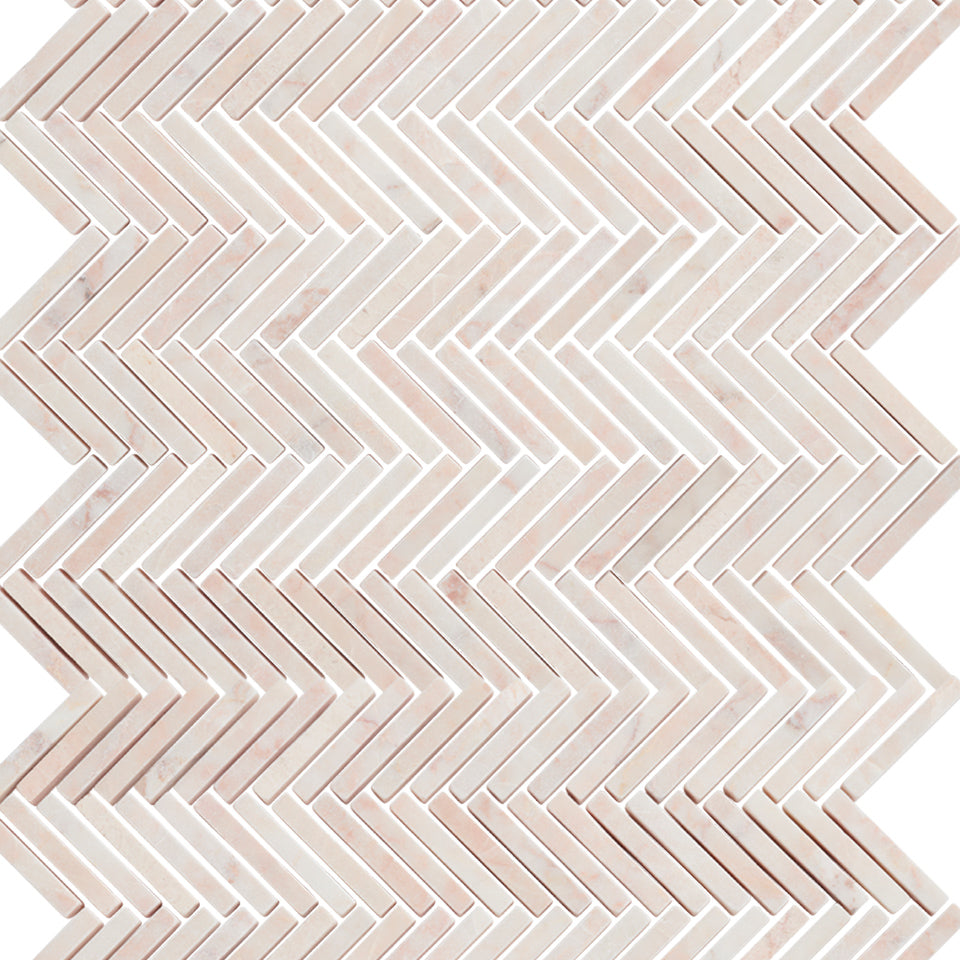
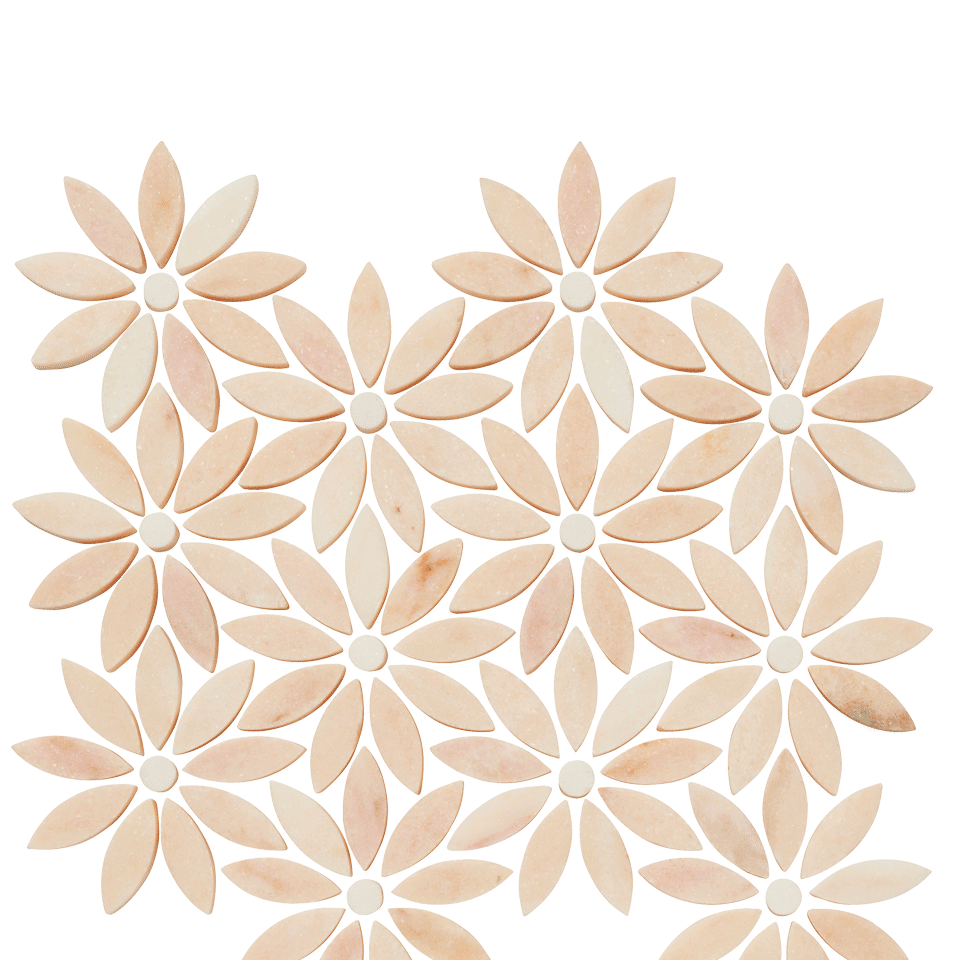
The Design Palette’s pink natural stone mosaics bring together Rosado, the soft blush marble of Alicante in Spain, and Calacatta Viola, the rare Italian white marble traced with violet and rose veining. One offers quiet, all-over warmth; the other brings luminous drama.
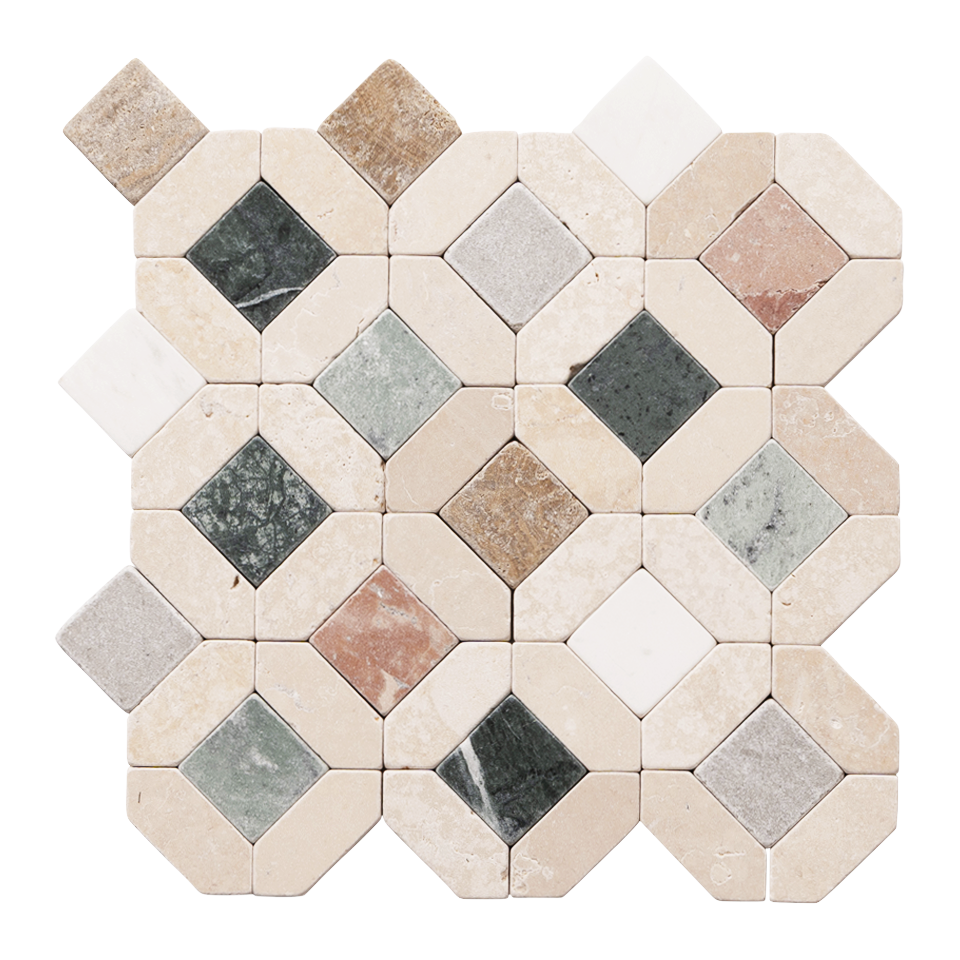
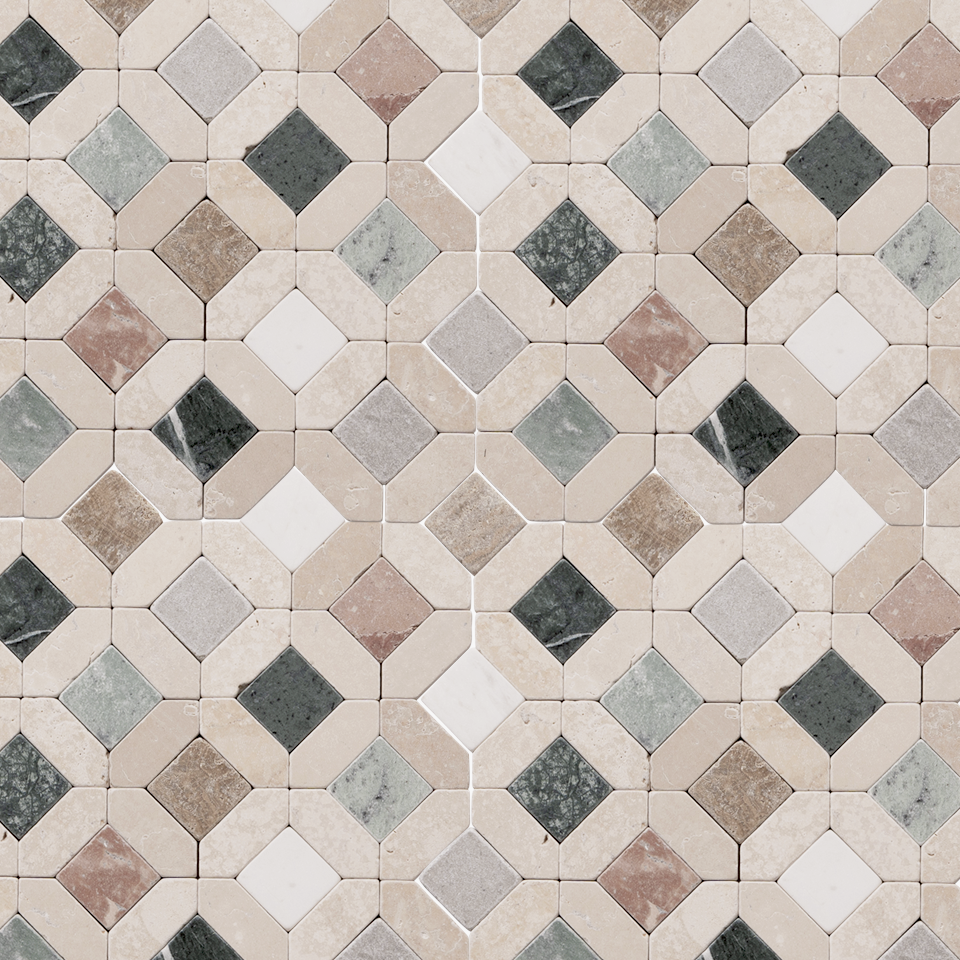
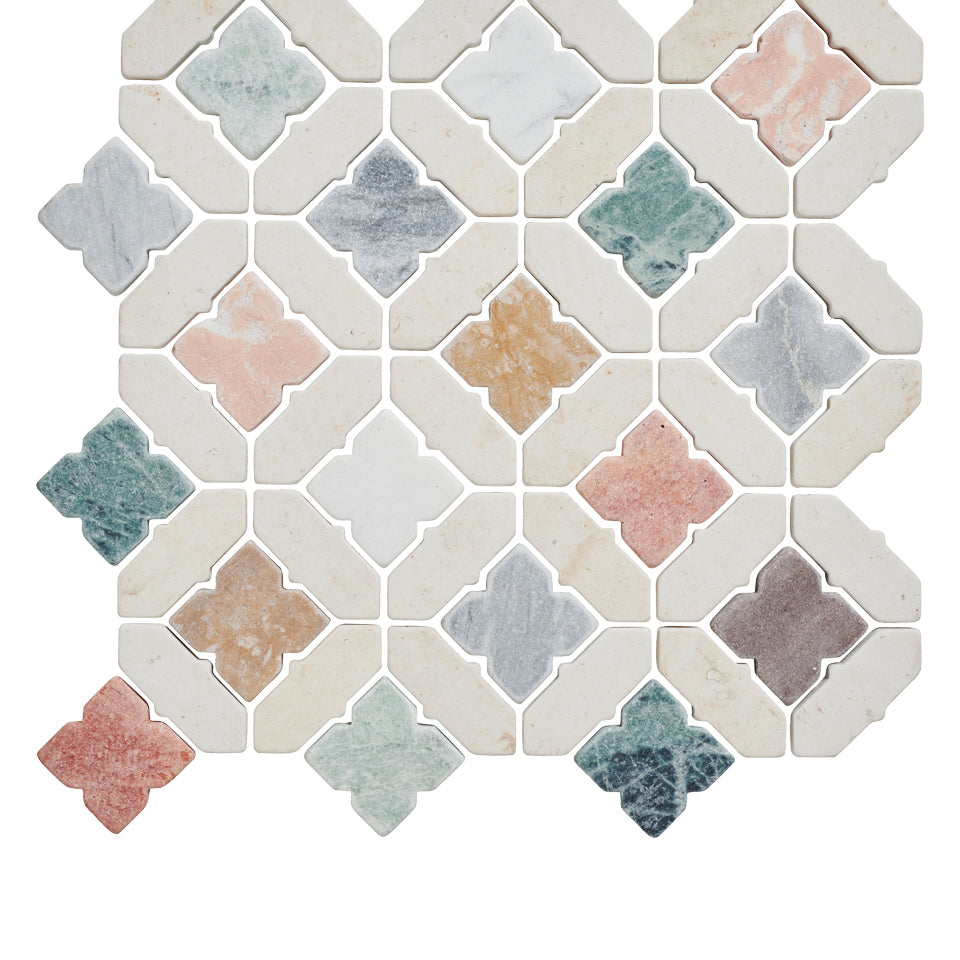
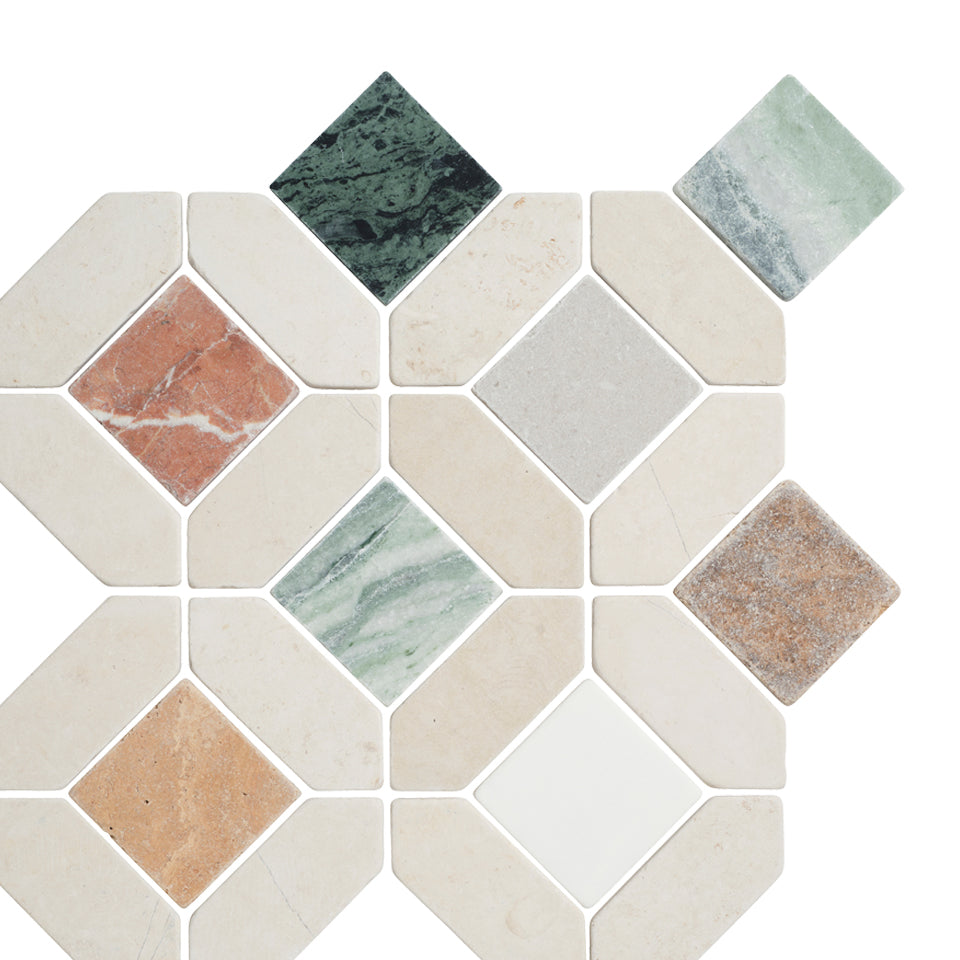
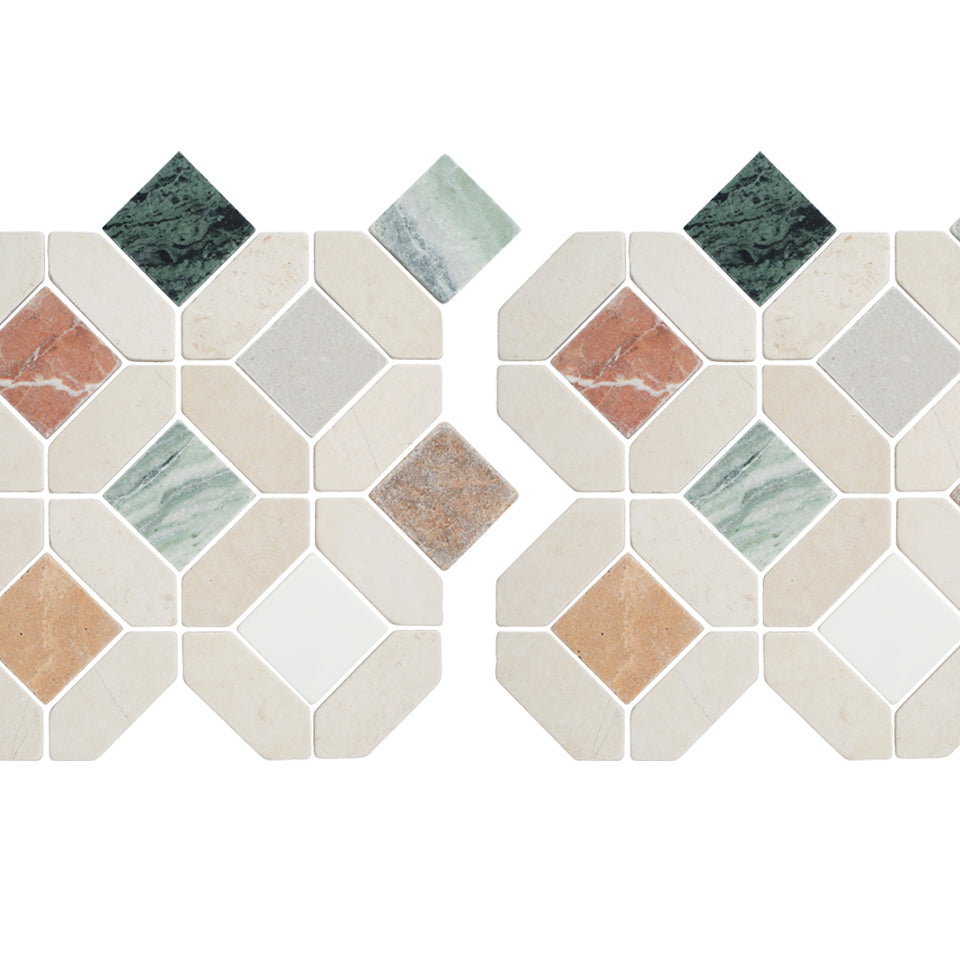
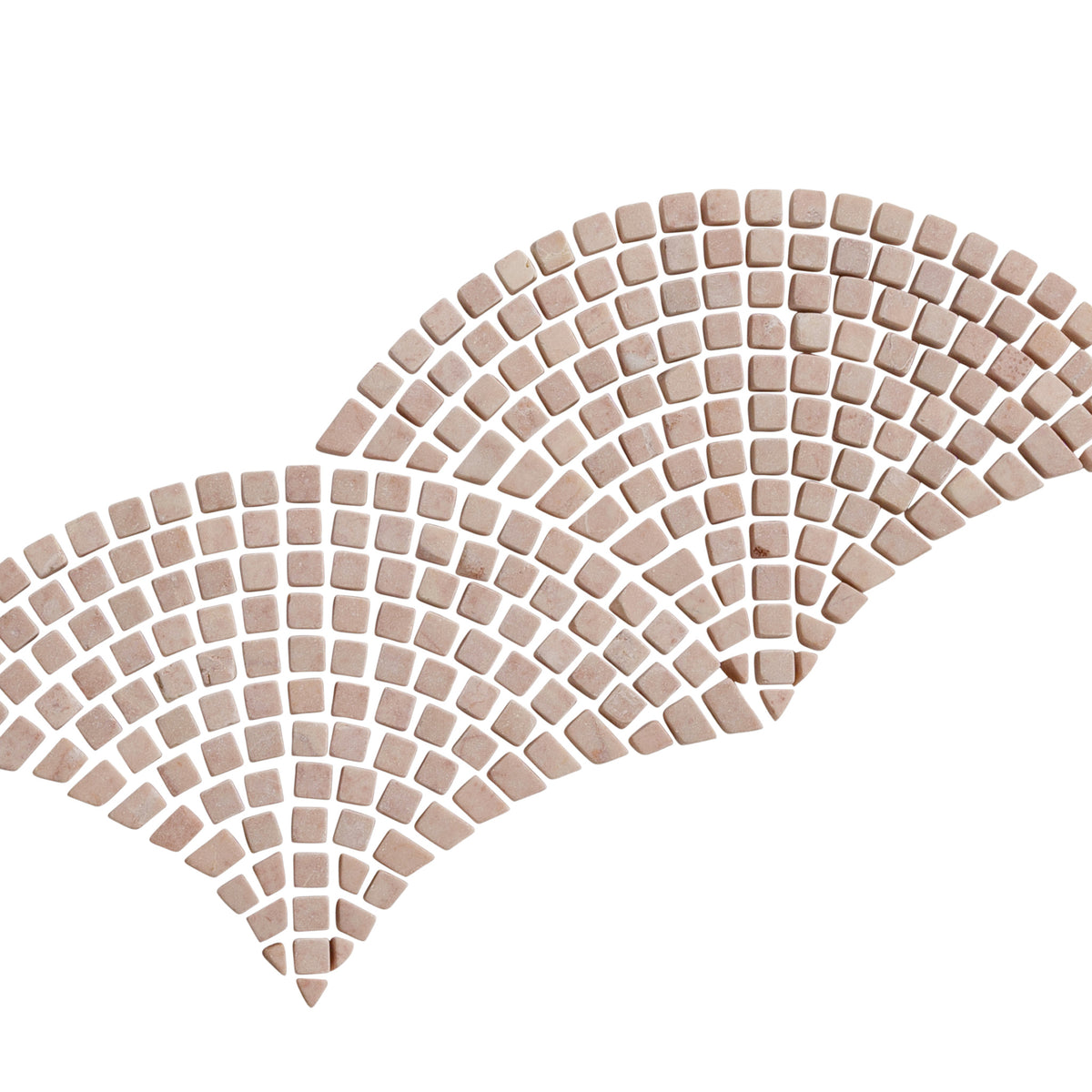
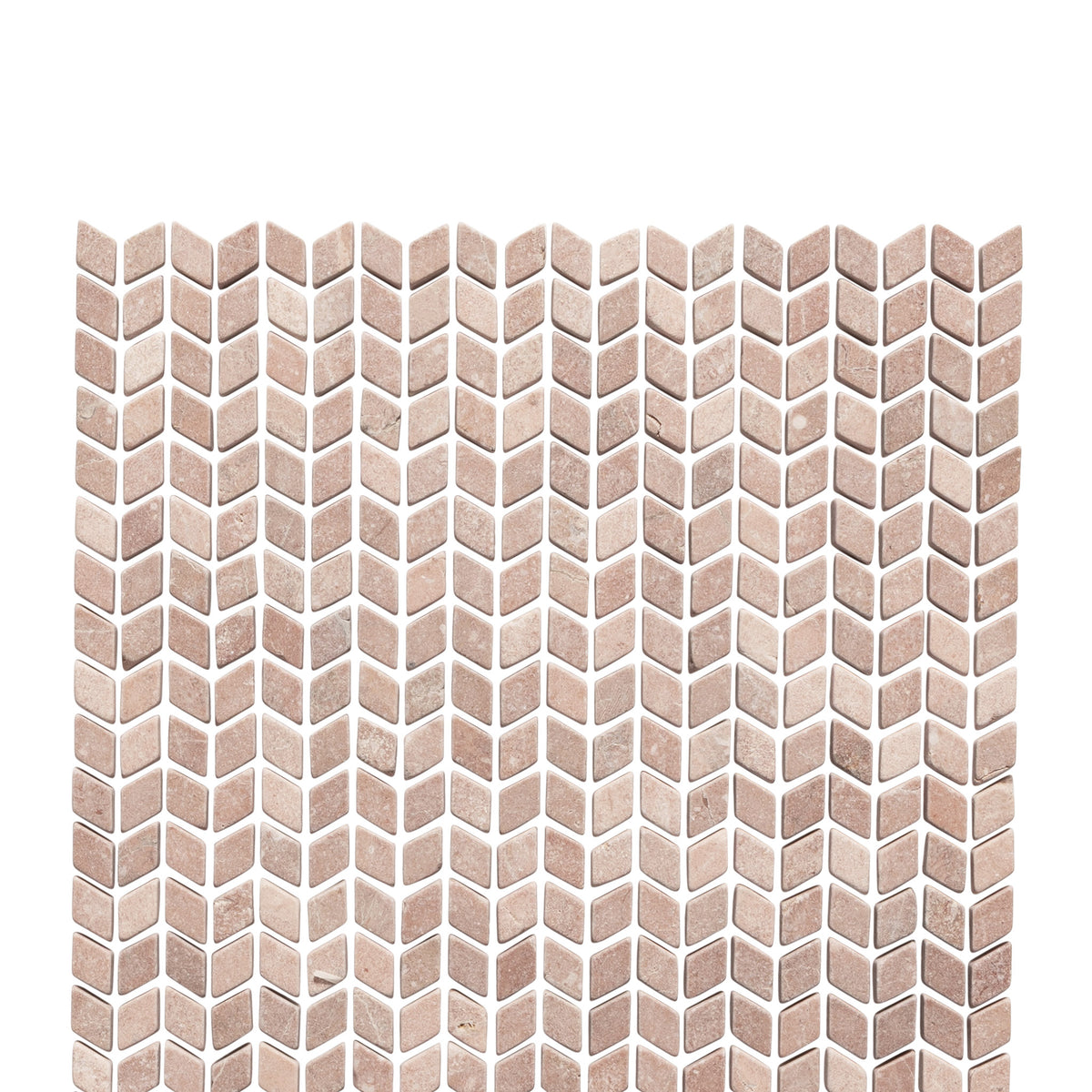
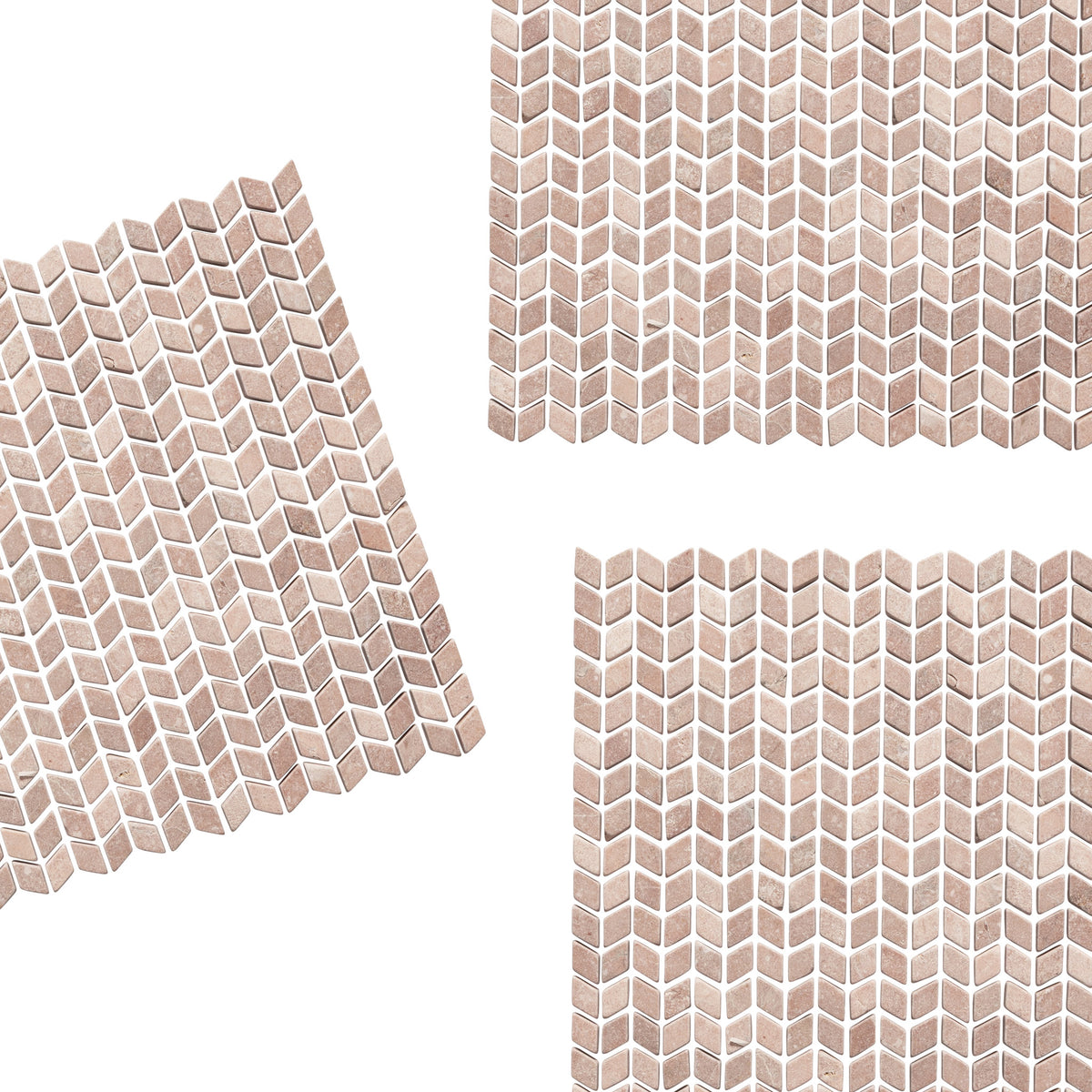
Translated into architectural formats, from honed KitKat and Pompeii to tumbled herringbone, penny round, mini fan, crazy paving and Scarpa designs, our pink mosaics bring softness and colour to kitchen splashbacks, bathroom feature walls, powder rooms and wet areas. Based in Sydney and supplying projects across Australia, we work with architects, interior designers, builders and homeowners who want colour expressed with subtlety and refinement.






COLOUR // PINK
ORIGIN + History
Pink was a flower before it was a colour. In the 1570s, pink was the common name for Dianthus, a garden flower still known as the pink today. One theory links the name to “pinking”, the old craft of cutting decorative edges, after the flower’s frilled petals.
Only later did the flower lend its name to its most common colour. Pink-coloured appears in the 1680s, and pink as a colour by 1733. Before then, English described the shade as incarnation, the colour of flesh. In natural stone, pink keeps that sense of something living and organic: a warmth formed by trace minerals in the earth.
COLOUR // PINK
The Stones of Pink
Rosado. Quarried in the Alicante region of Spain, Rosado is a pink marble formed from ancient limestone, with a refined blush tone and gentle natural variation. It shares its homeland with Crema Marfil and Rojo Alicante.
Calacatta Viola. From the Apuan Alps of Tuscany, Calacatta Viola is a rare Italian white marble moved by bold veins of violet and rose, from the same mountains that gave Michelangelo his marble.
At The Design Palette, we see pink as colour at its most considered. These natural stones remain beautiful for decades, gaining character over time rather than wearing out. In a design culture of constant replacement, that endurance is its own form of sustainability.