
Slender Lines, Quiet Rhythm
KitKat mosaics bring fine vertical movement and soft texture to a surface. Linear, modern and endlessly calm.
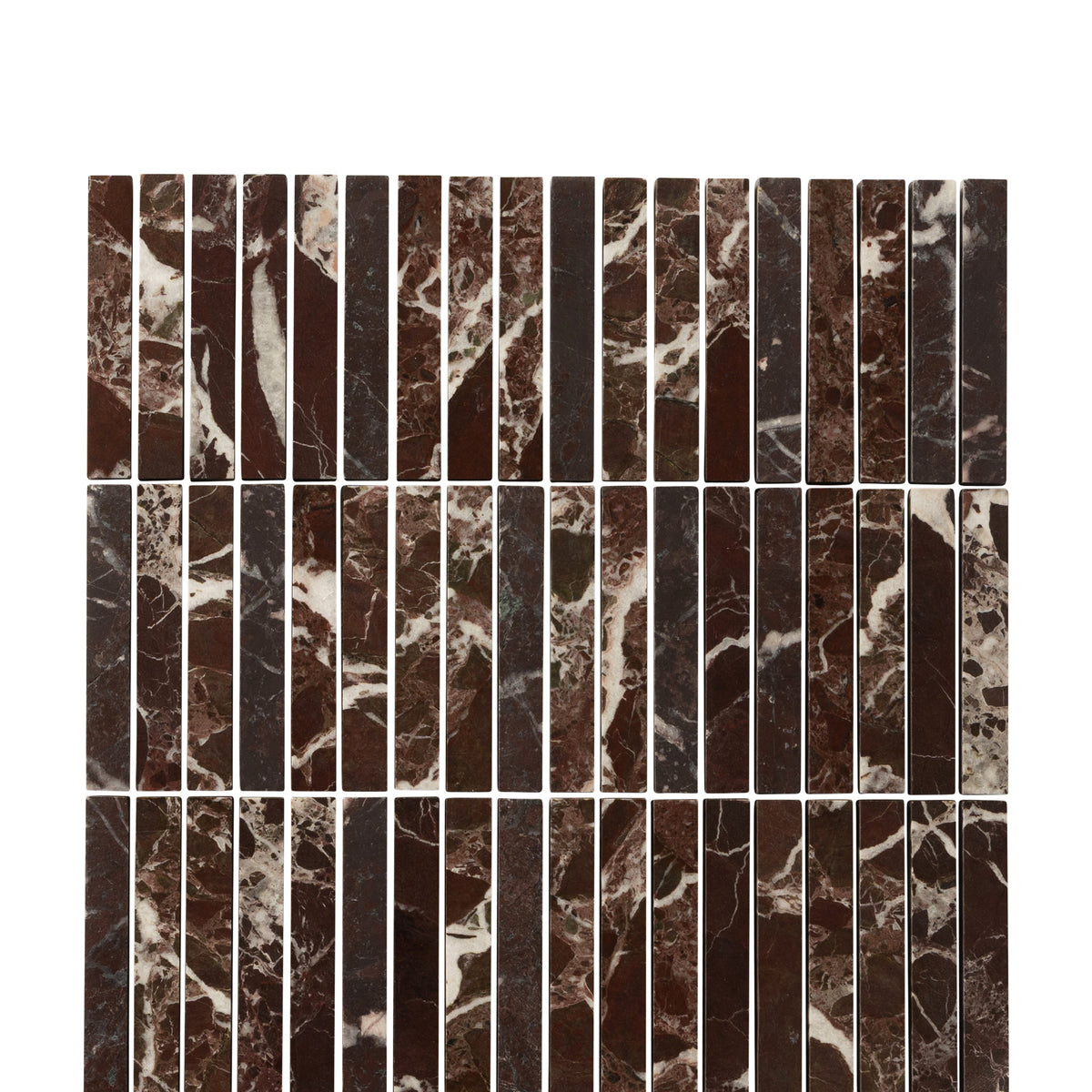
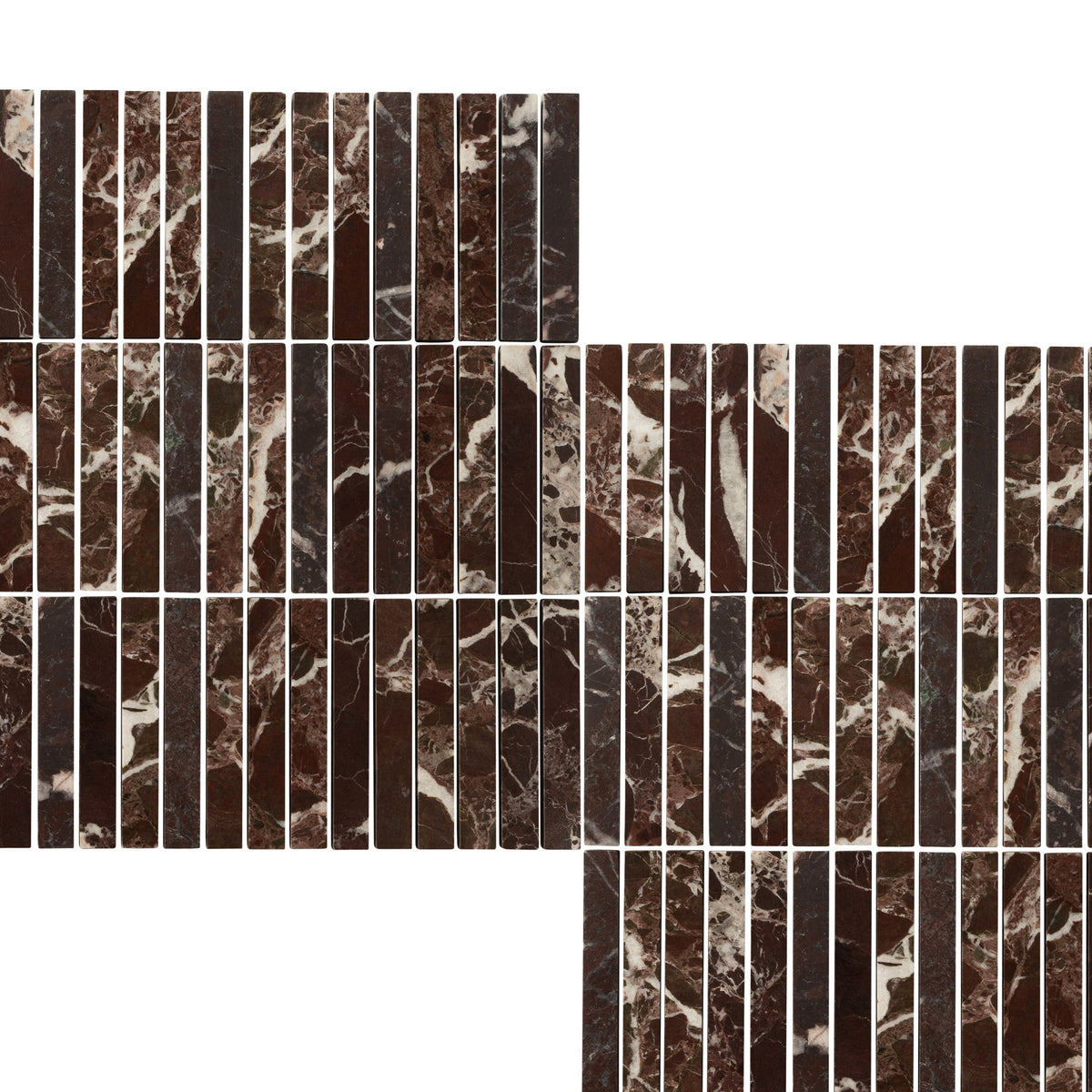
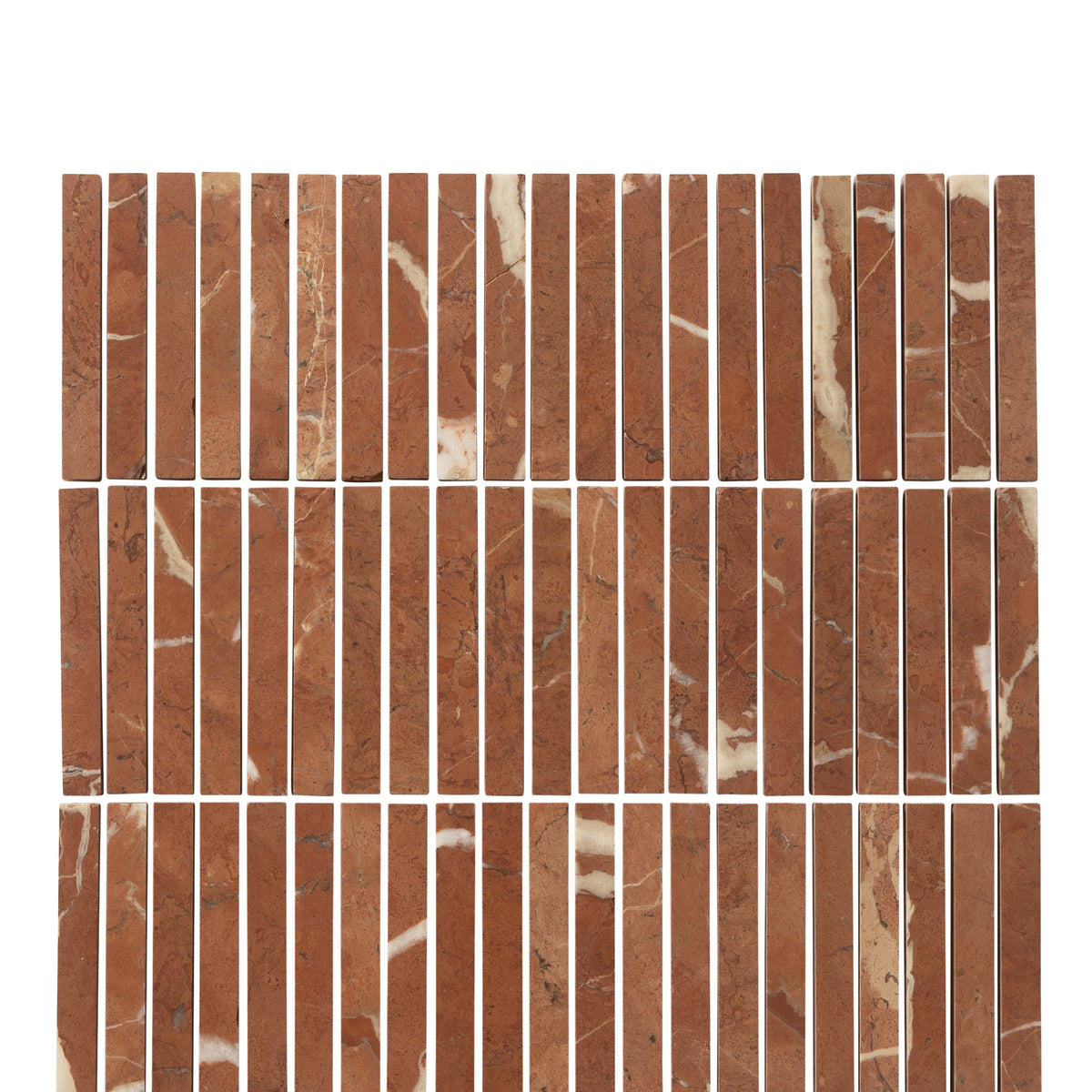
The Design Palette’s KitKat stone mosaics are slim, elongated fingers of natural stone set side by side, creating a surface with gentle rhythm and depth. Laid vertically, they draw the eye upward; laid horizontally, they bring a calm, grounded line. Because each finger is narrow, the format also follows curved walls and columns beautifully.
Cut in Botticino, Travertine, Verde Cristallo, Rosado, Taj Green, Rojo Alicante and Rosso Levanto, in tumbled and honed finishes, our KitKat mosaics add texture to kitchen splashbacks, bathroom feature walls, bars, counters and hospitality interiors. Based in Sydney and supplying projects across Australia, we work with architects, interior designers, builders and homeowners who love a modern line with natural depth.
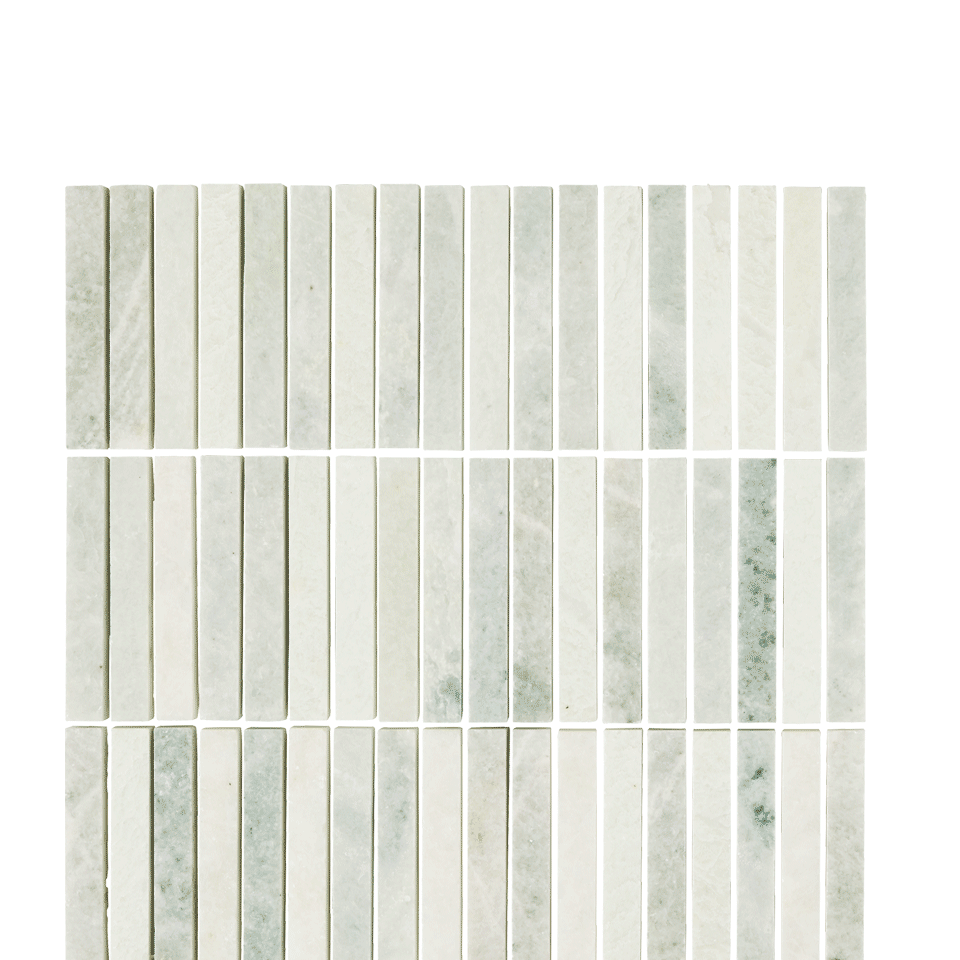

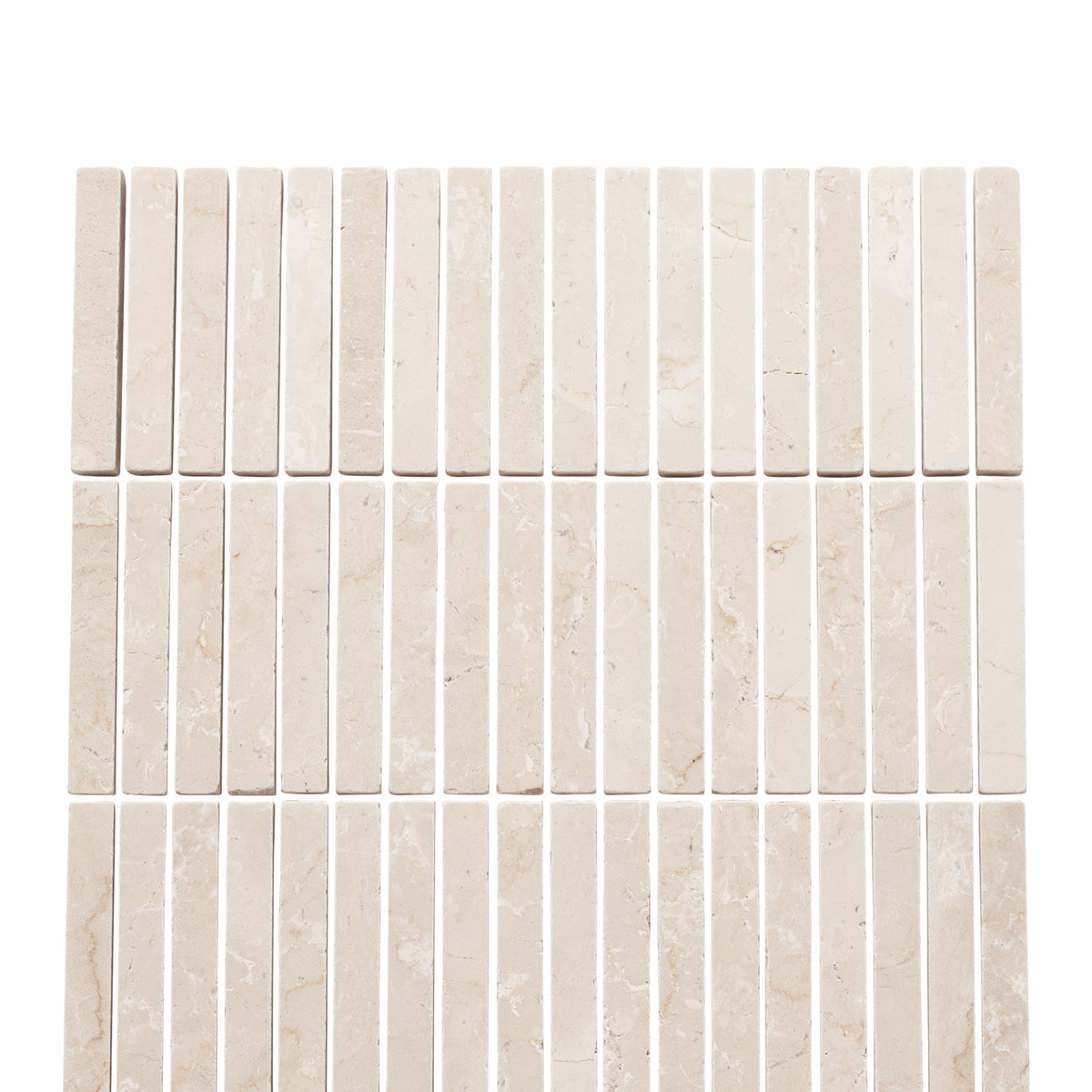
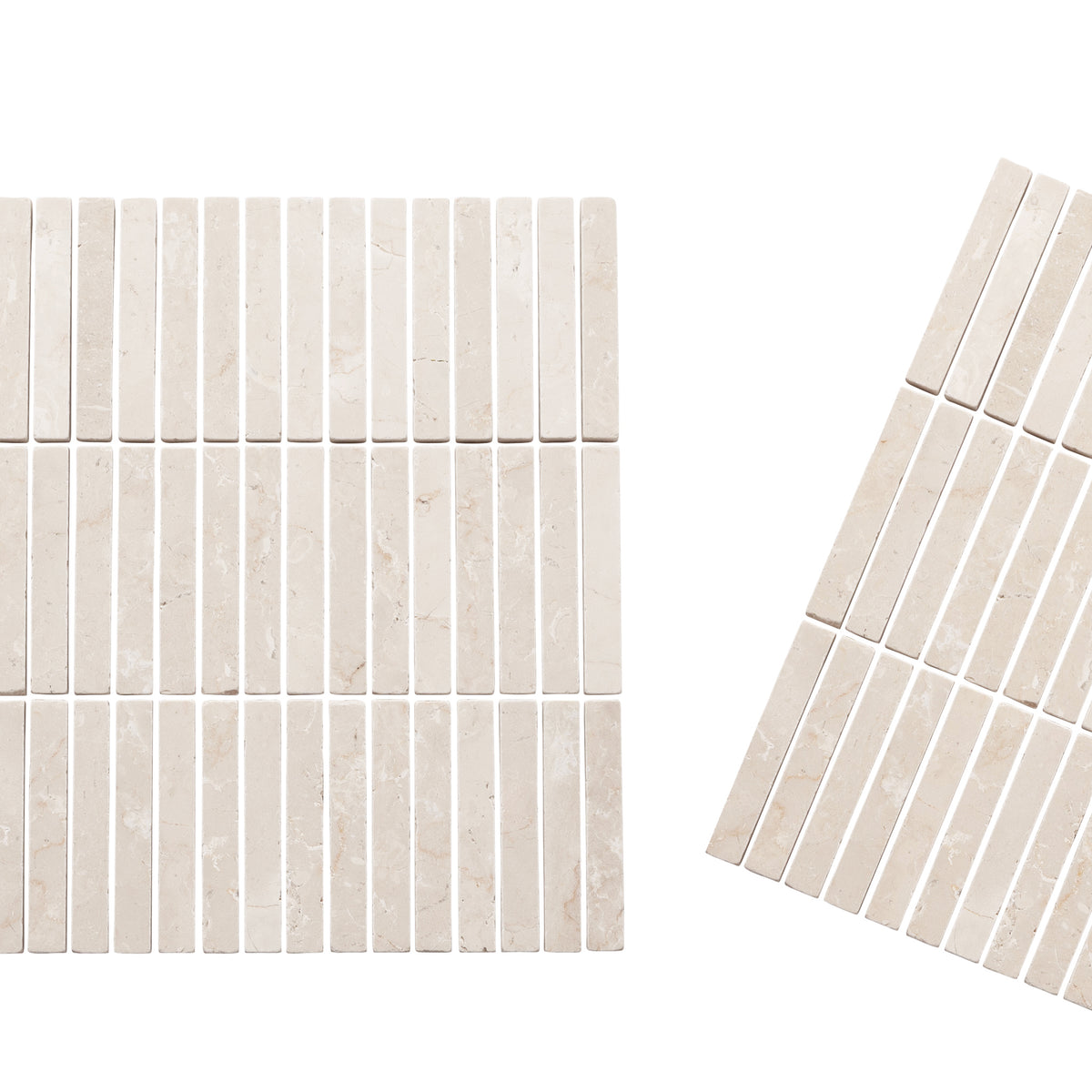


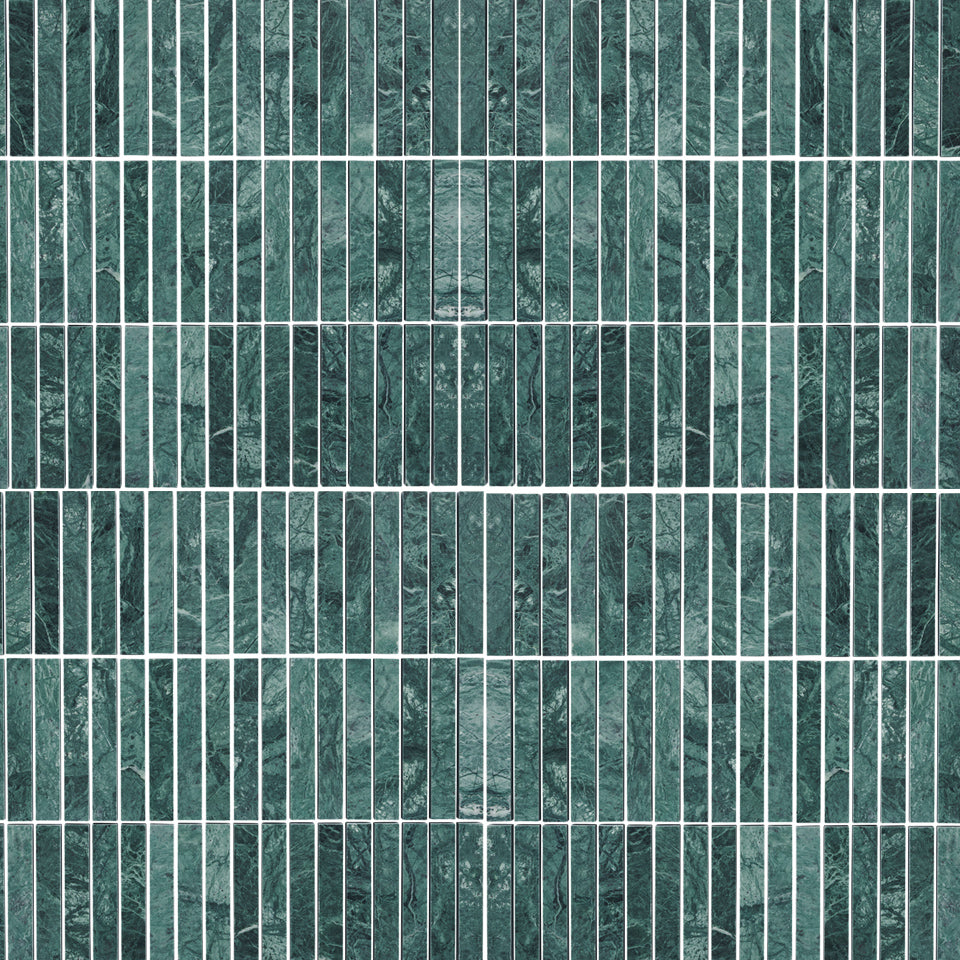


SHAPE // KITKAT
ORIGIN + History
KitKat is a modern name for the finger mosaic, a format whose slim, repeated pieces echo the glazed ceramics of Japan and the clean lines of modernist design. The nickname came from its resemblance to the segmented fingers of a famous chocolate bar, and it stuck, especially in Australia, where the format became a favourite of designers.
What began as a ceramic trend takes on new depth in natural stone. Each finger carries its own veining and tone, so the surface moves with subtle variation rather than flat repetition.
SHAPE // KITKAT
The Stones of KITKAT shapes
Botticino and Travertine. Soft Italian cream and warm honed travertine, in classic and cream tones.
Verde Cristallo and Taj Green. Sage and deep green, from Brazil and India.
Rosado. Honed blush marble from Alicante.
Rojo Alicante and Rosso Levanto. Spanish red and deep burgundy Italian stone, for linear colour with presence.
At The Design Palette, we see KitKat as rhythm made tactile. Cut from natural stone, these mosaics remain beautiful for decades, gaining character over time rather than wearing out. In a design culture of constant replacement, that endurance is its own form of sustainability.