
Carrara
The Marble of Michelangelo
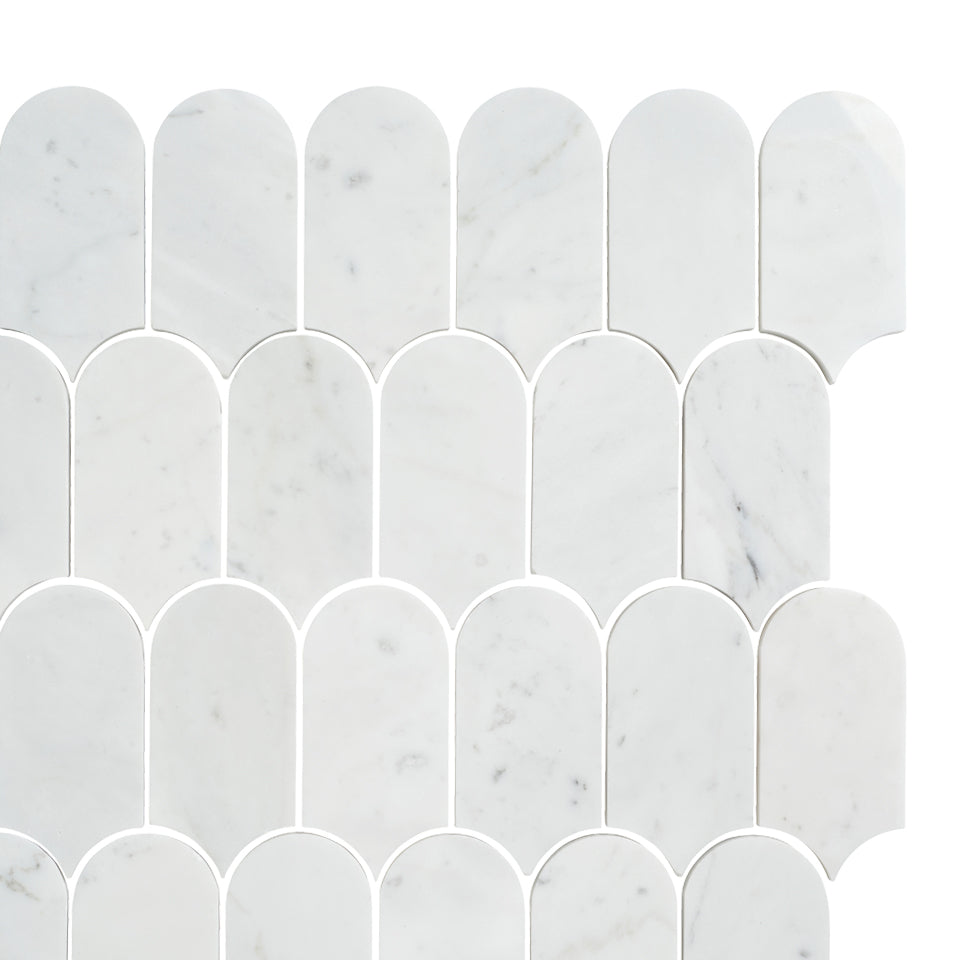
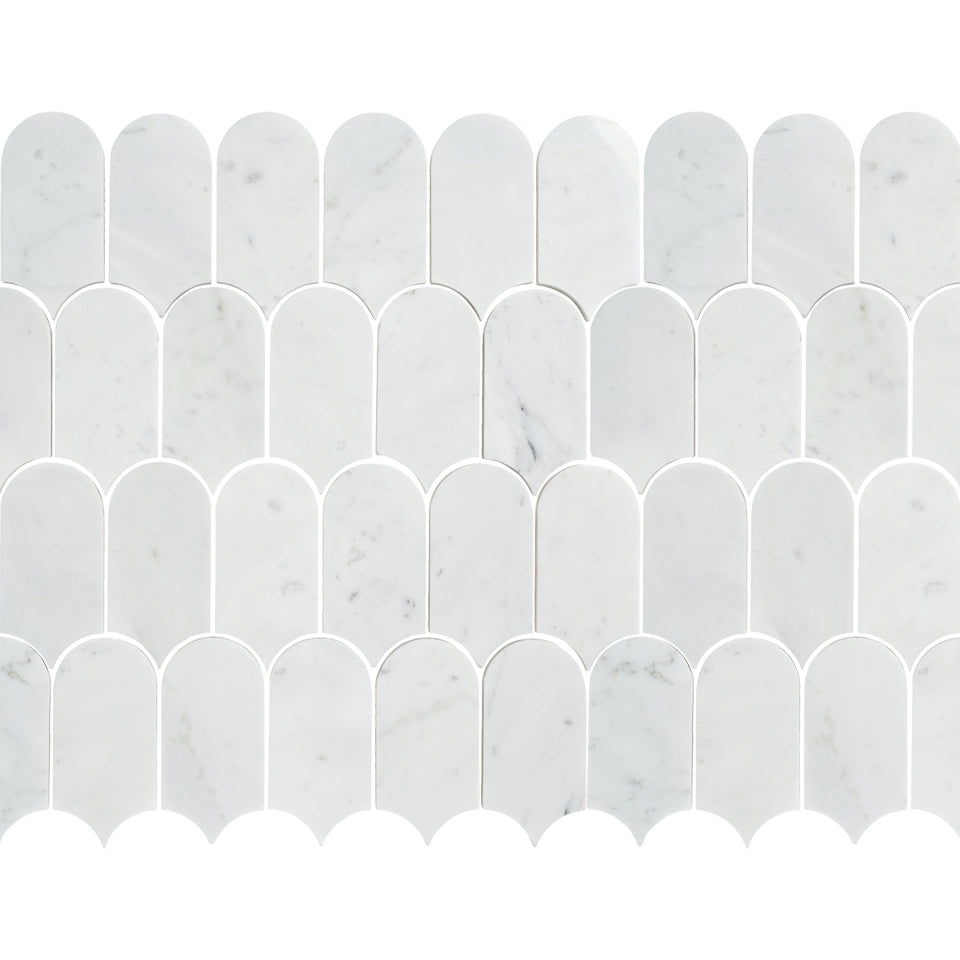
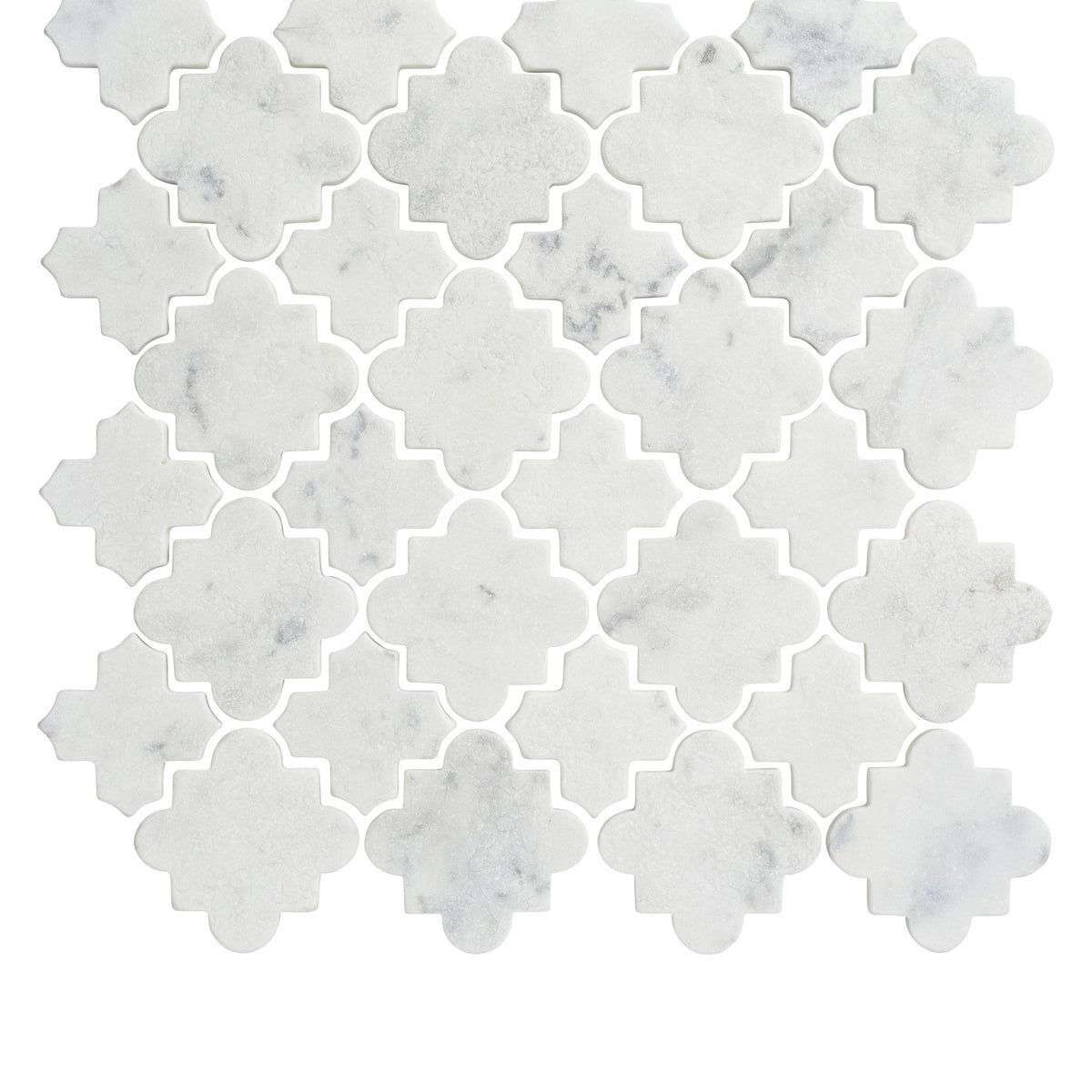
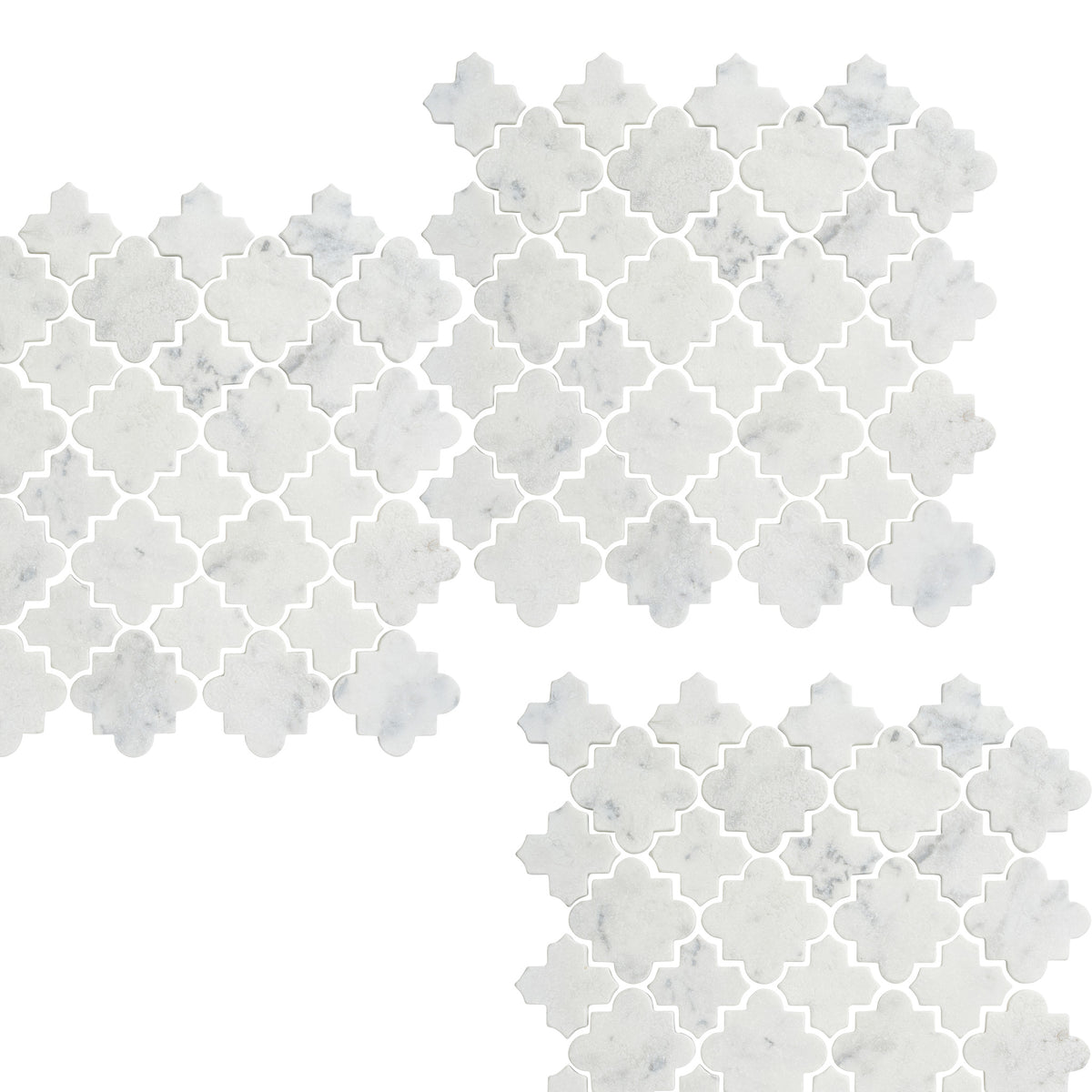
Carrara is the white marble the world knows by name: soft white and grey, moved by fine, feathered veining. Timeless, luminous and endlessly versatile.
Quarried in the Apuan Alps of Tuscany, Carrara is the most celebrated white marble in the world. Its soft white to blue-grey ground and delicate grey veining bring light and calm to a space, and it sits as comfortably in a contemporary bathroom as in a classic kitchen. It is a natural foundation for both pared-back and pattern-rich interiors.
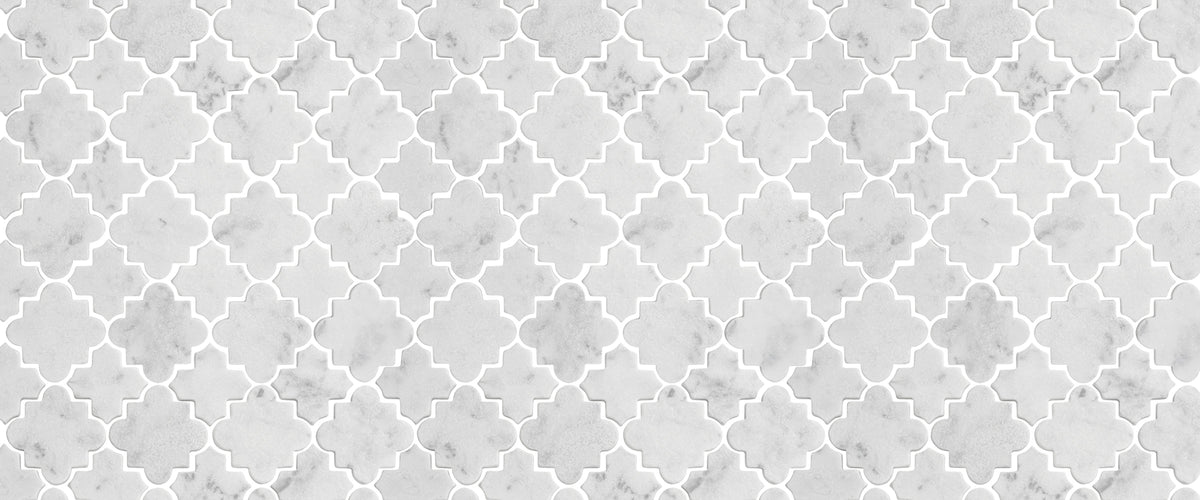
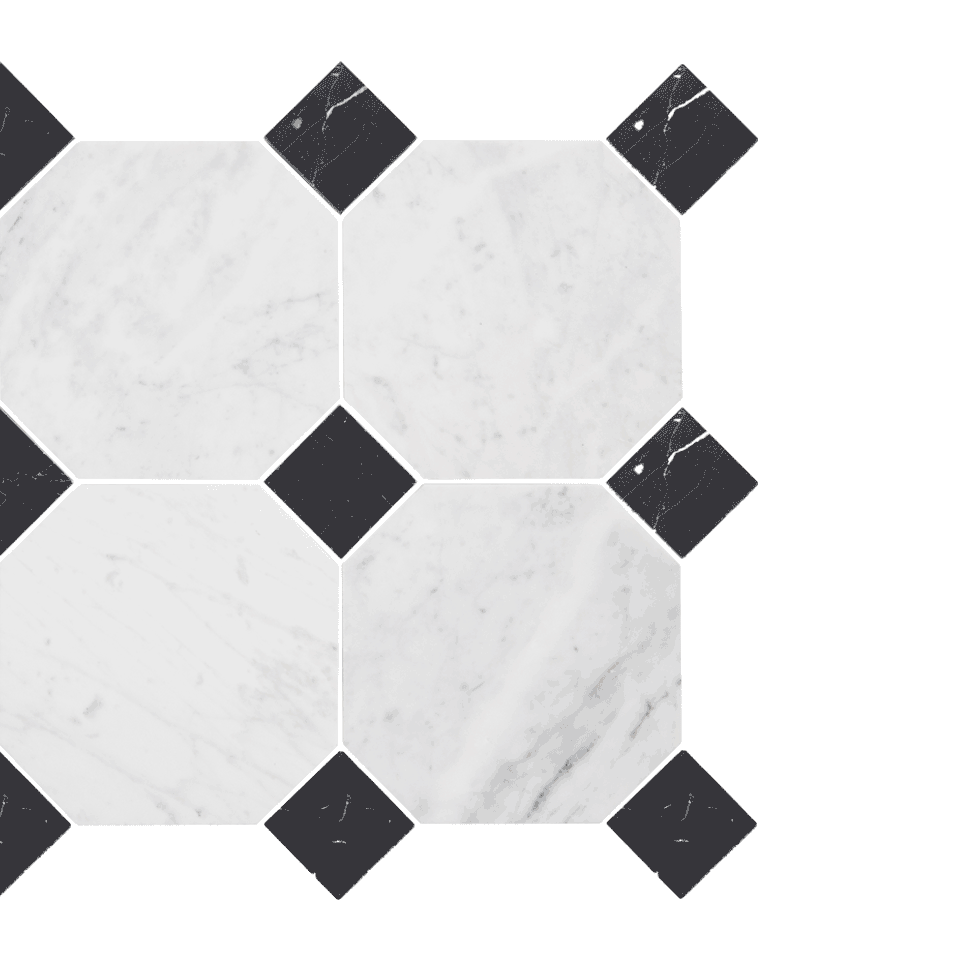
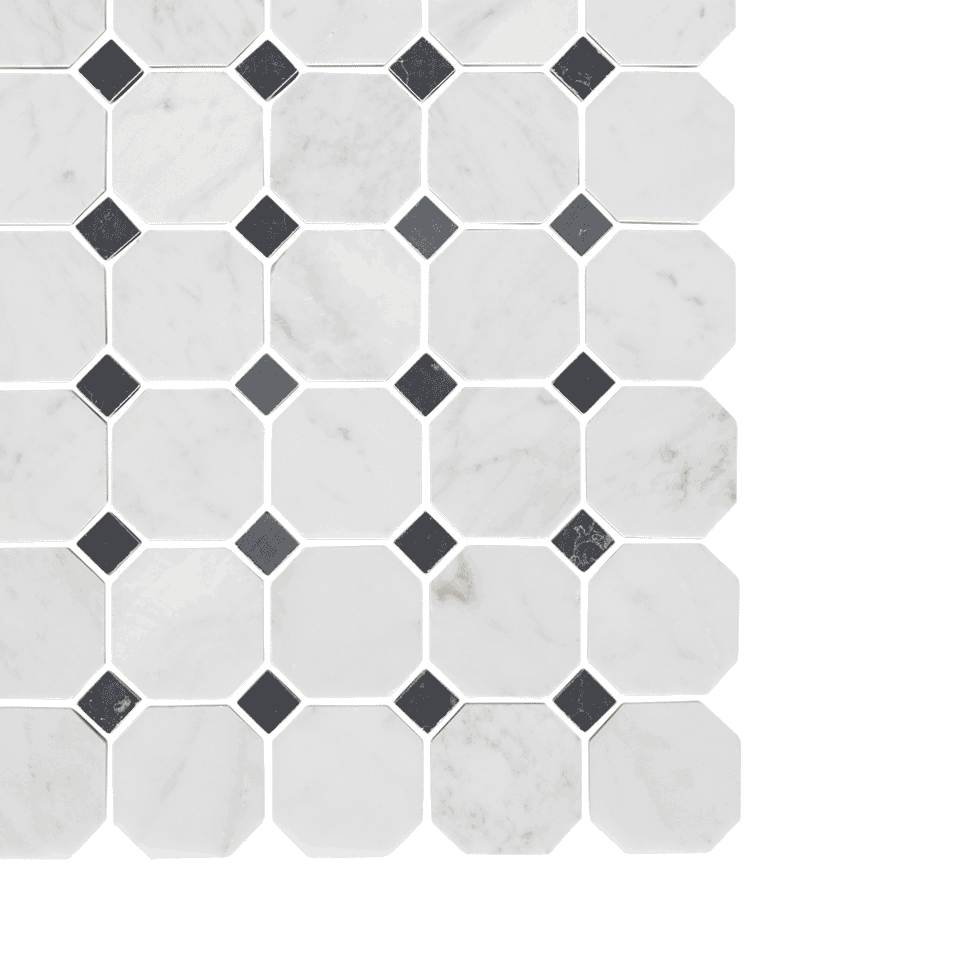
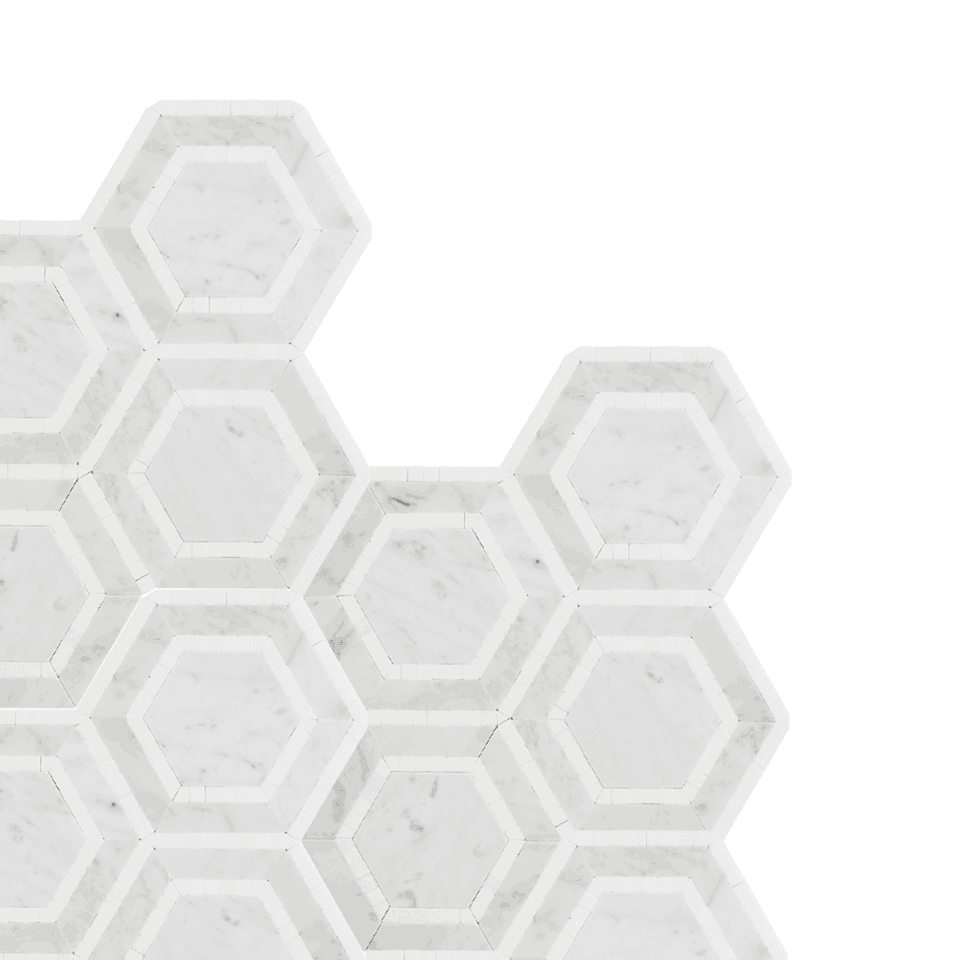
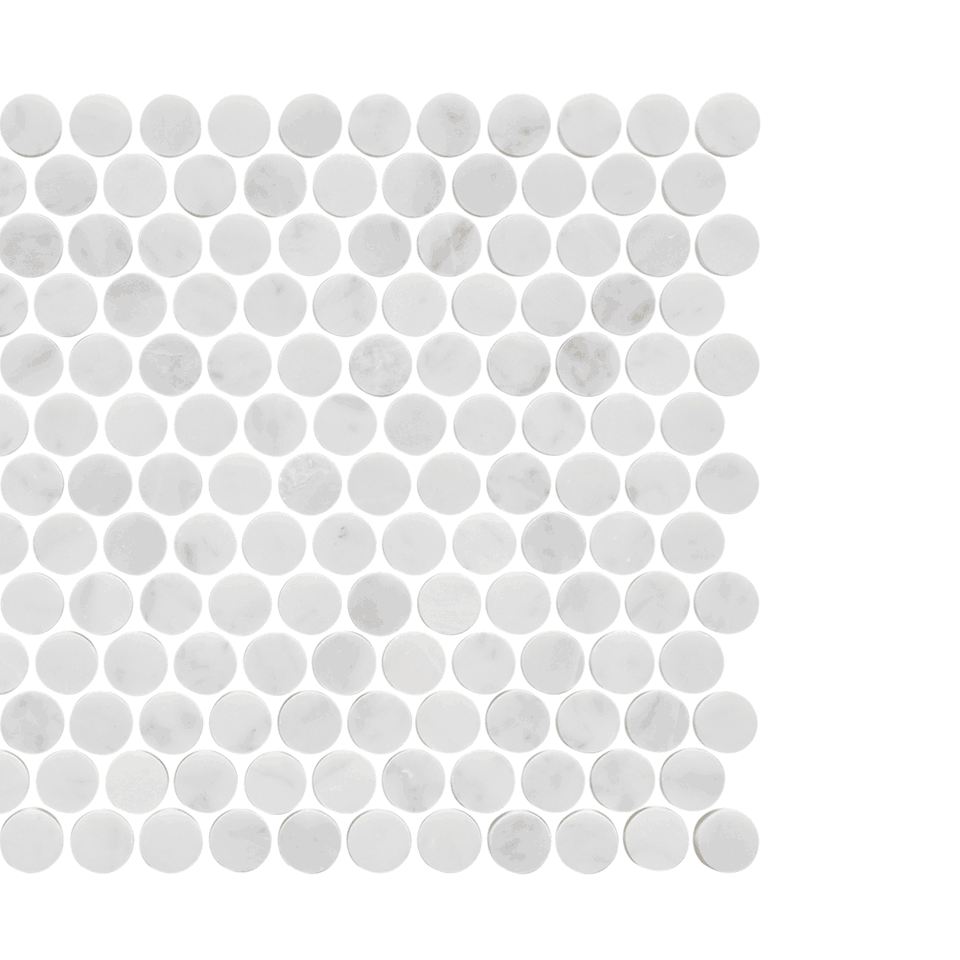
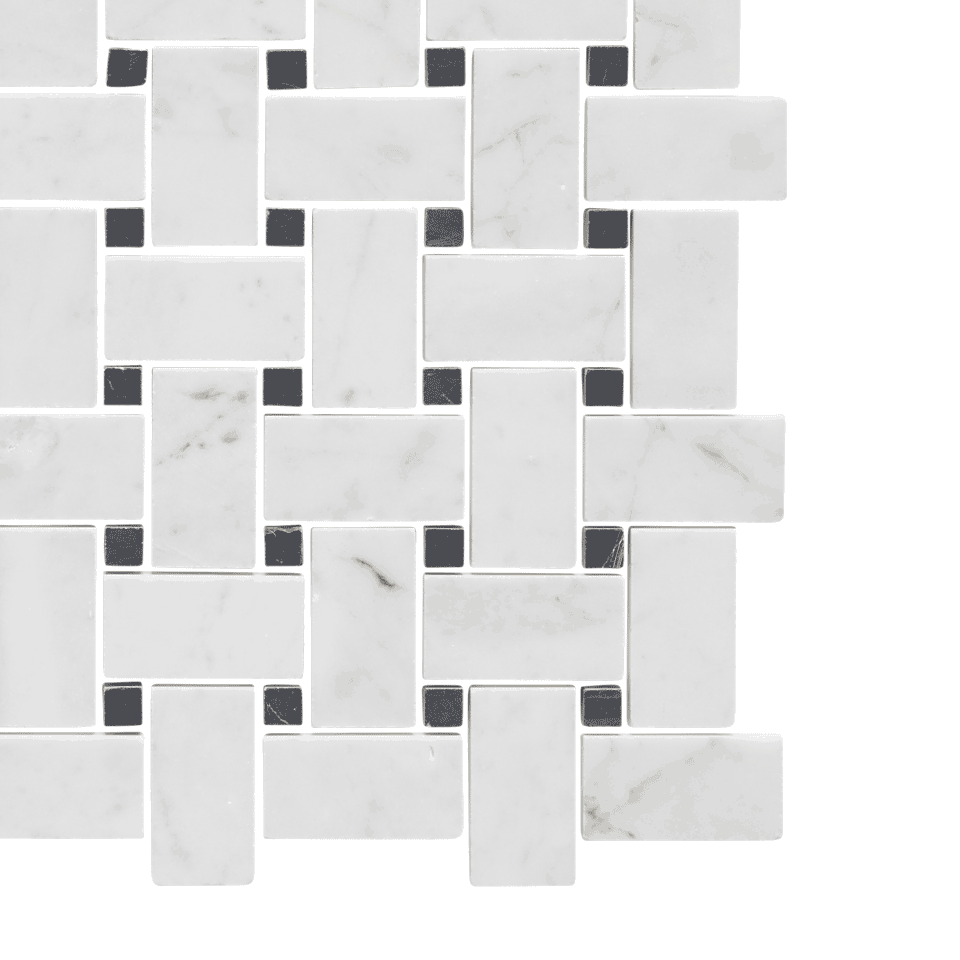
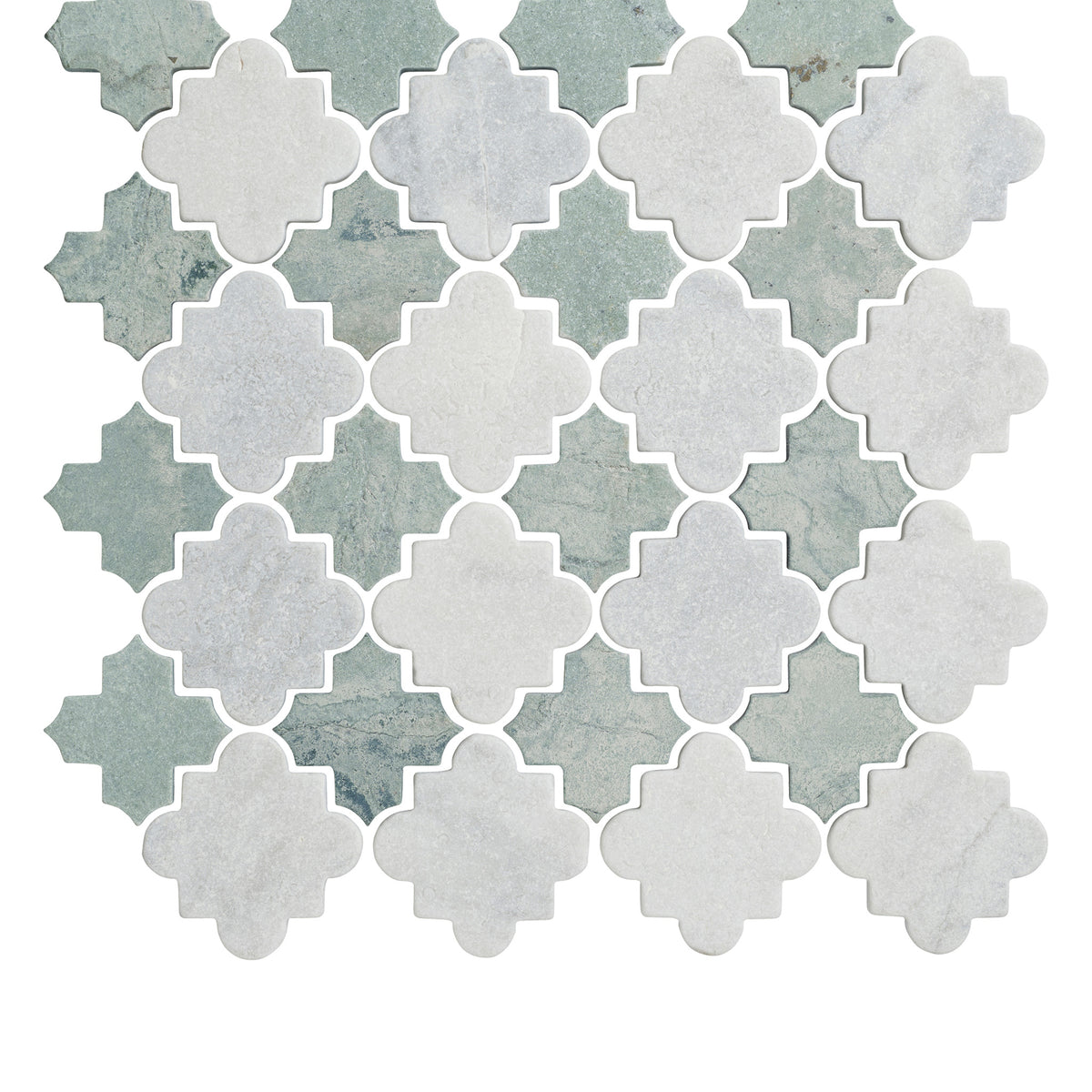
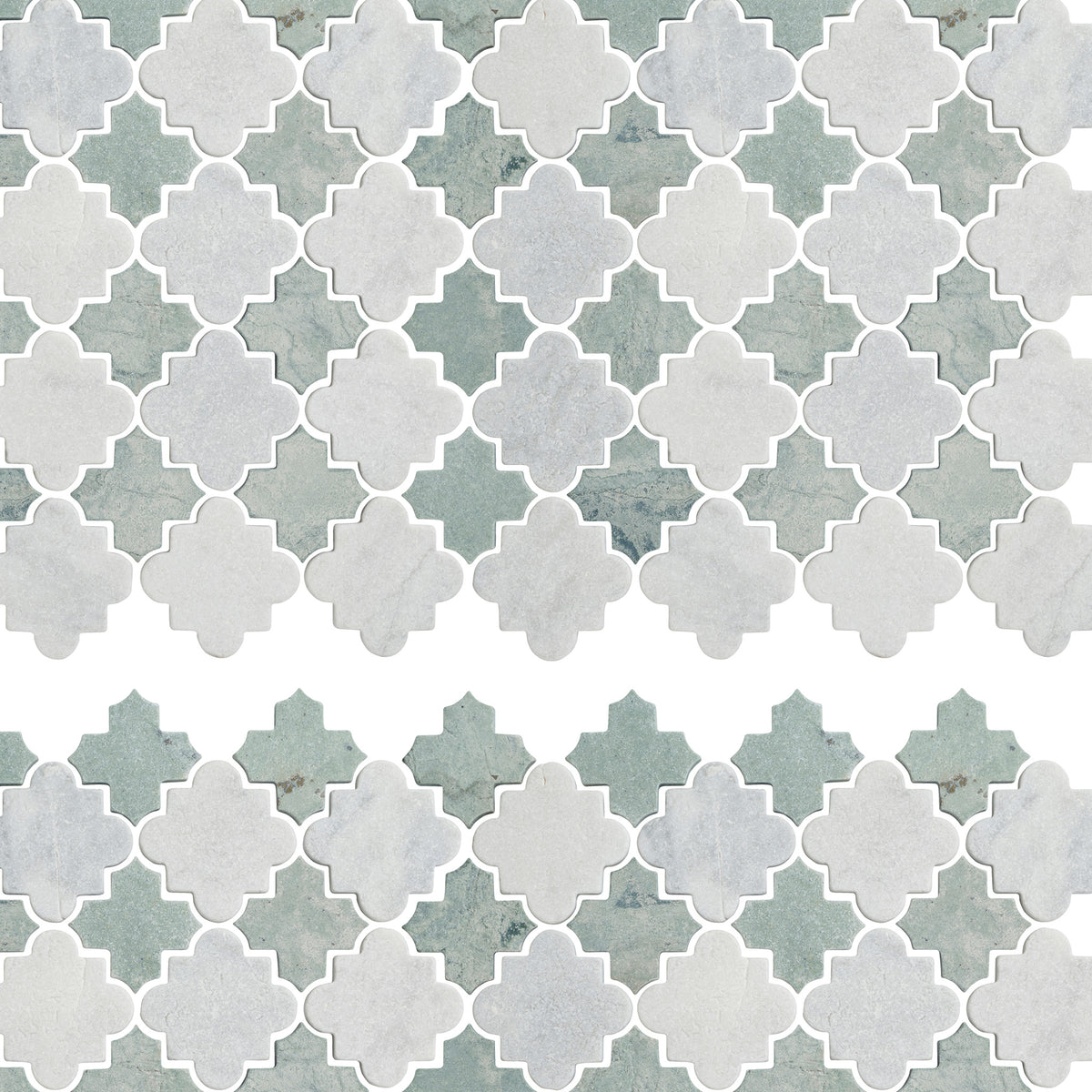
The Design Palette's Carrara stone mosaics translate this classic Italian marble into an extensive range of architectural formats. Herringbone, arch, arabesque, penny round, square, 25mm and 48mm hexagon, Notre Dame and Scarpa designs sit alongside combinations of Carrara with Nero Marquina, Thassos and Taj Green in octagon, basketweave and outline hexagon patterns. Each brings light and refinement to kitchen splashbacks, bathroom walls and floors, powder rooms and wet areas. Based in Sydney and supplying projects across Australia, we work with architects, interior designers, builders and homeowners who want natural stone with timeless Italian provenance.


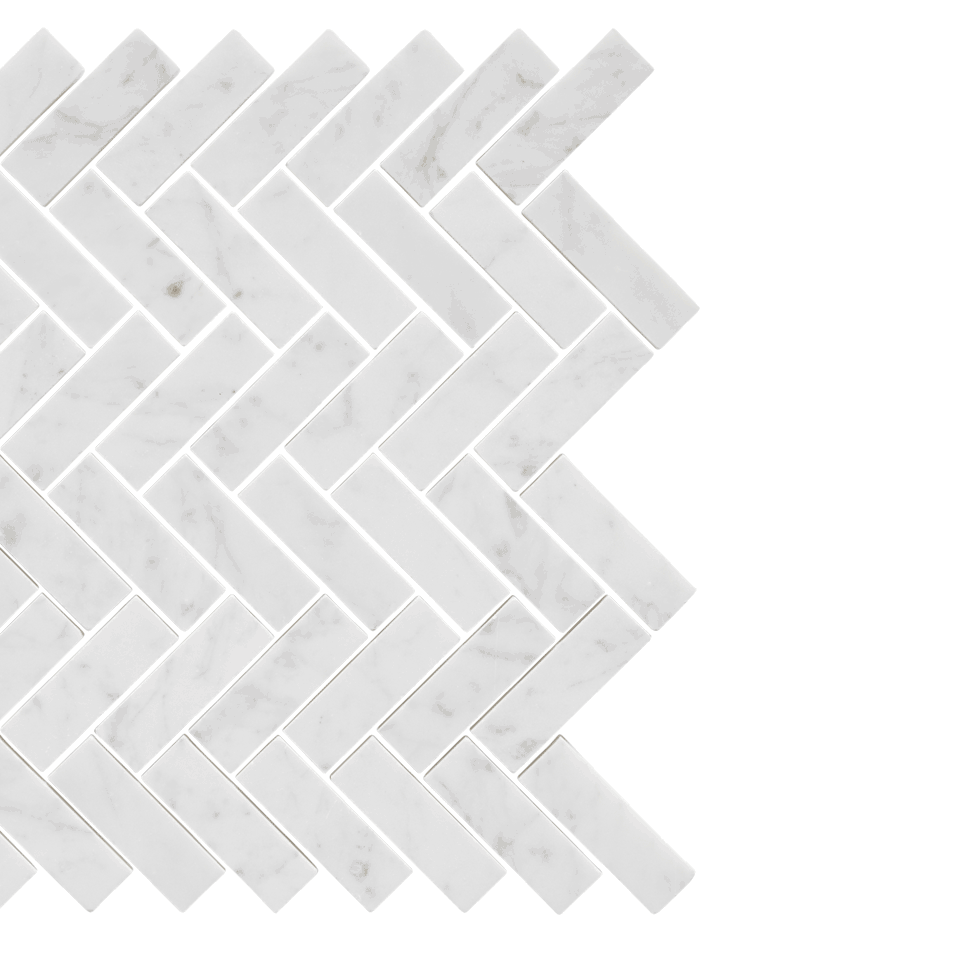


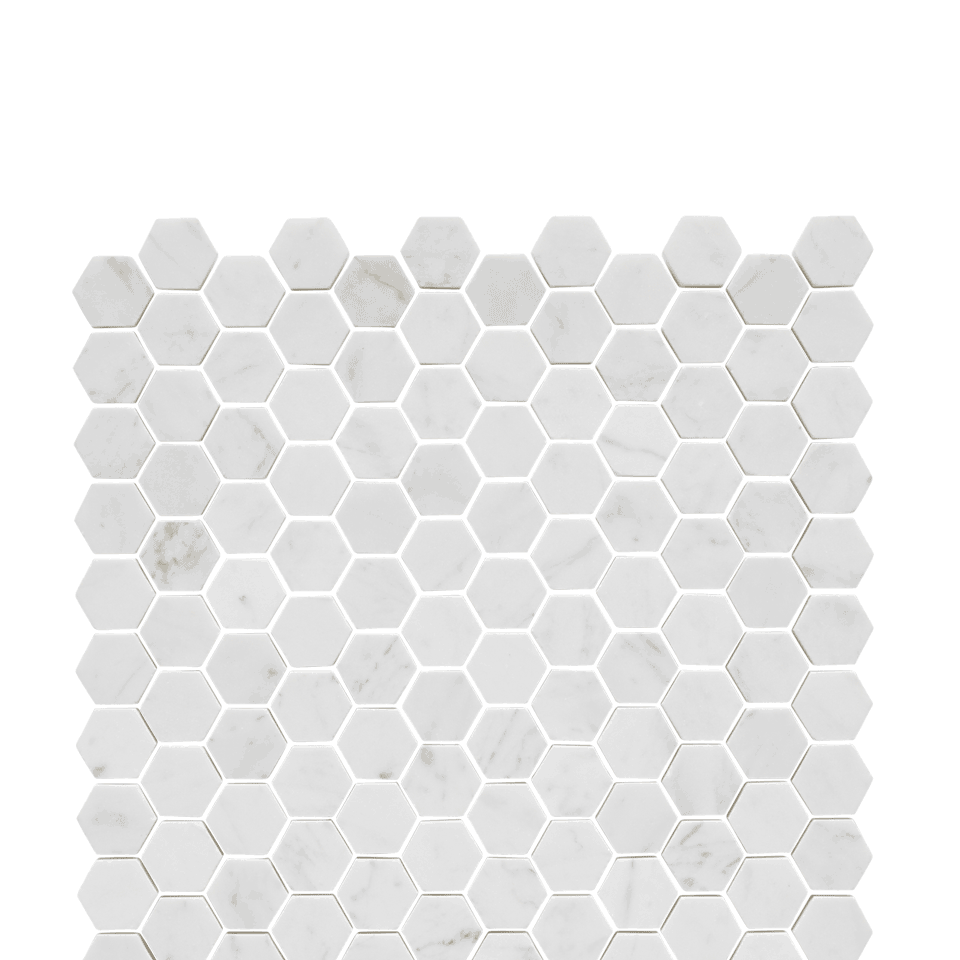
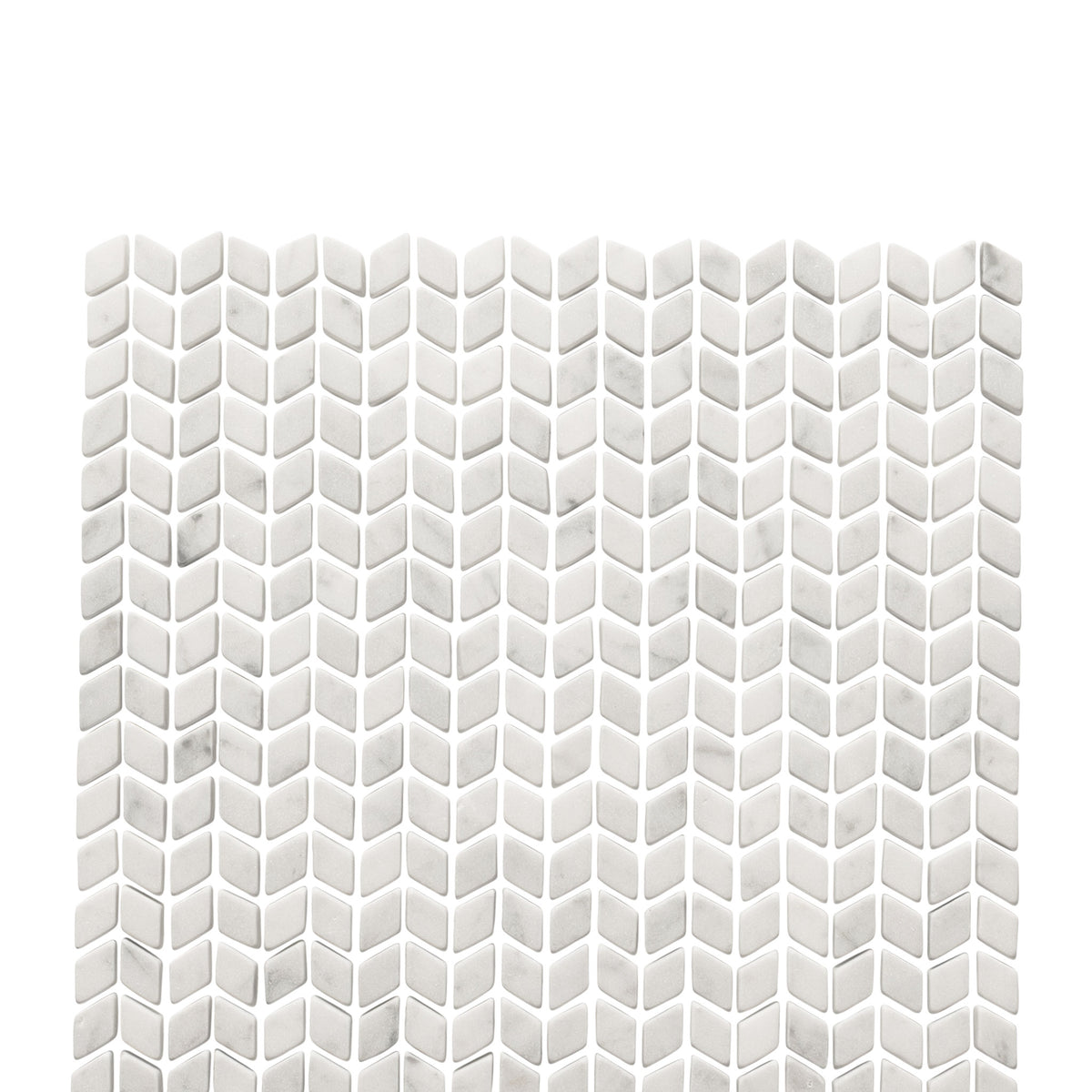
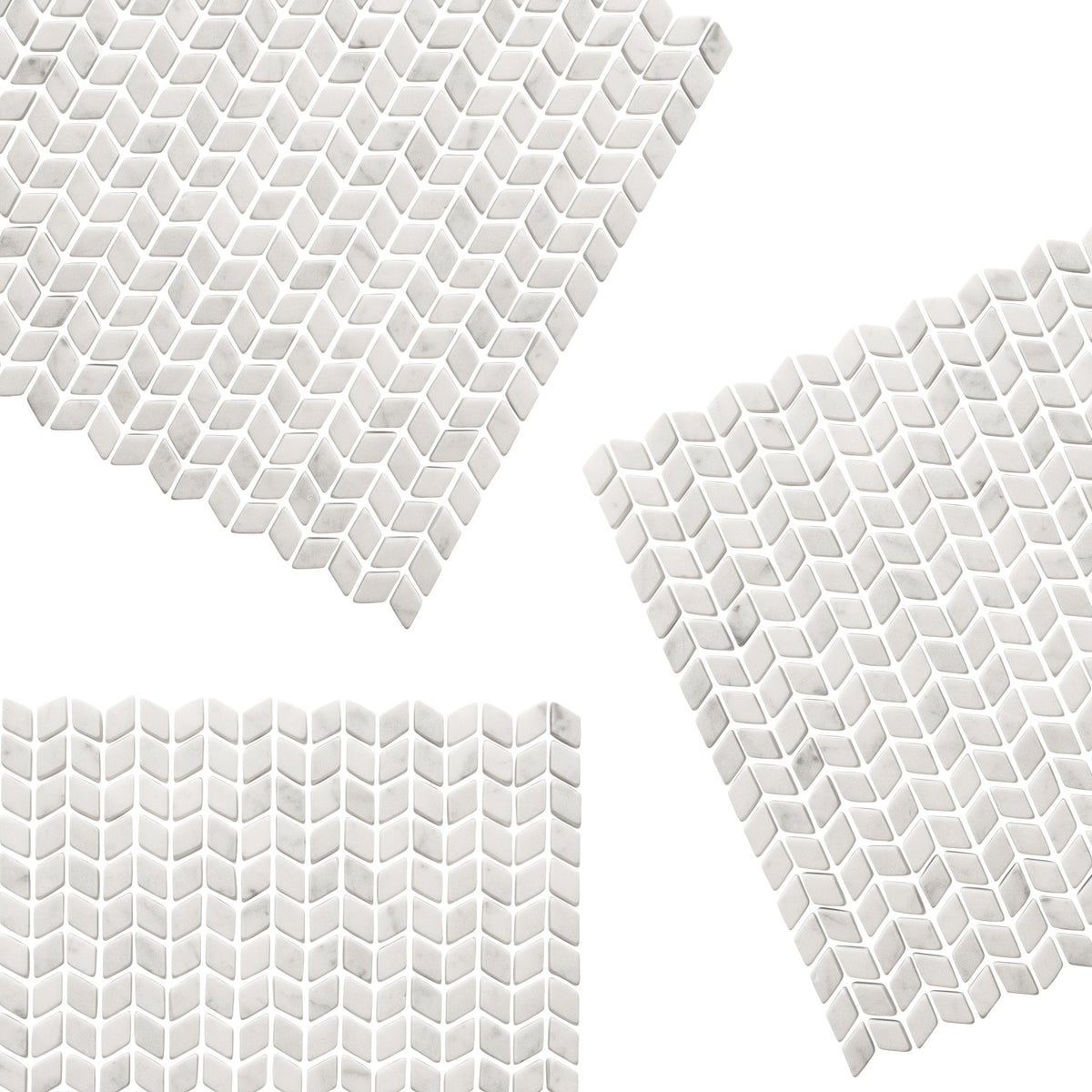


CARRARA
ORIGIN + History
Carrara marble began as limestone on an ancient seabed. Over millions of years, the forces that raised the Apuan Alps transformed it with heat and pressure into true metamorphic marble: crystalline, dense and luminous. The fine grey veins that move through it are traces of minerals caught within the stone as it formed.
The mountains above the town of Carrara have been quarried since Roman times, and their marble shaped the monuments of the empire. Centuries later, Michelangelo travelled to these quarries to select his blocks by hand, and the marble of Carrara became the stone of his David. Few materials carry such an unbroken lineage of art and architecture.
At The Design Palette, we see Carrara as the essential Italian marble. It remains beautiful for decades, gaining character over time rather than wearing out. In a design culture of constant replacement, that endurance is its own form of sustainability.