
Grey
The Balance Between Light and Shadow
Grey sits between light and dark, calm, versatile and endlessly refined. In natural stone it appears as soft veining and silvered tone, quiet depth for every interior.
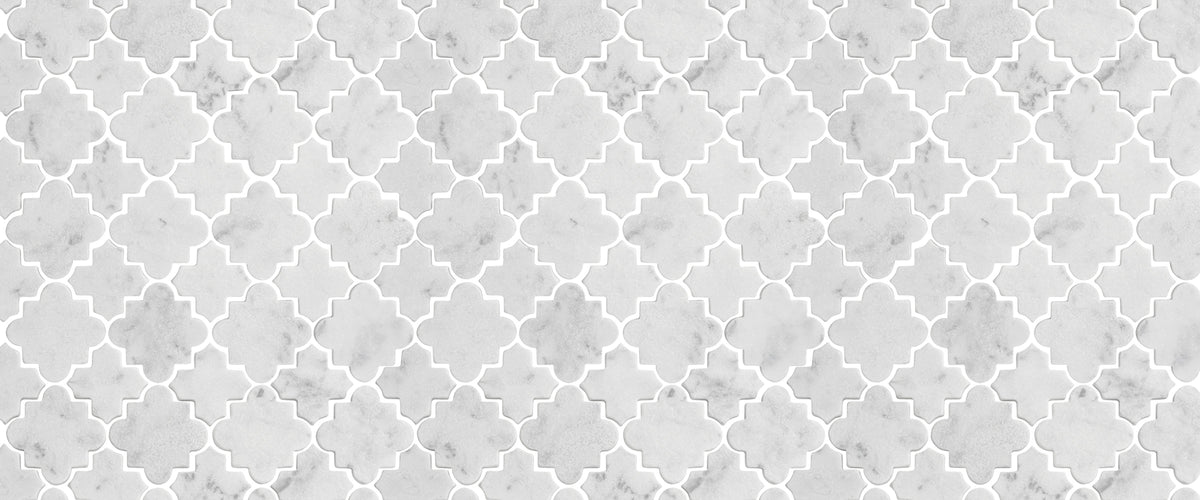
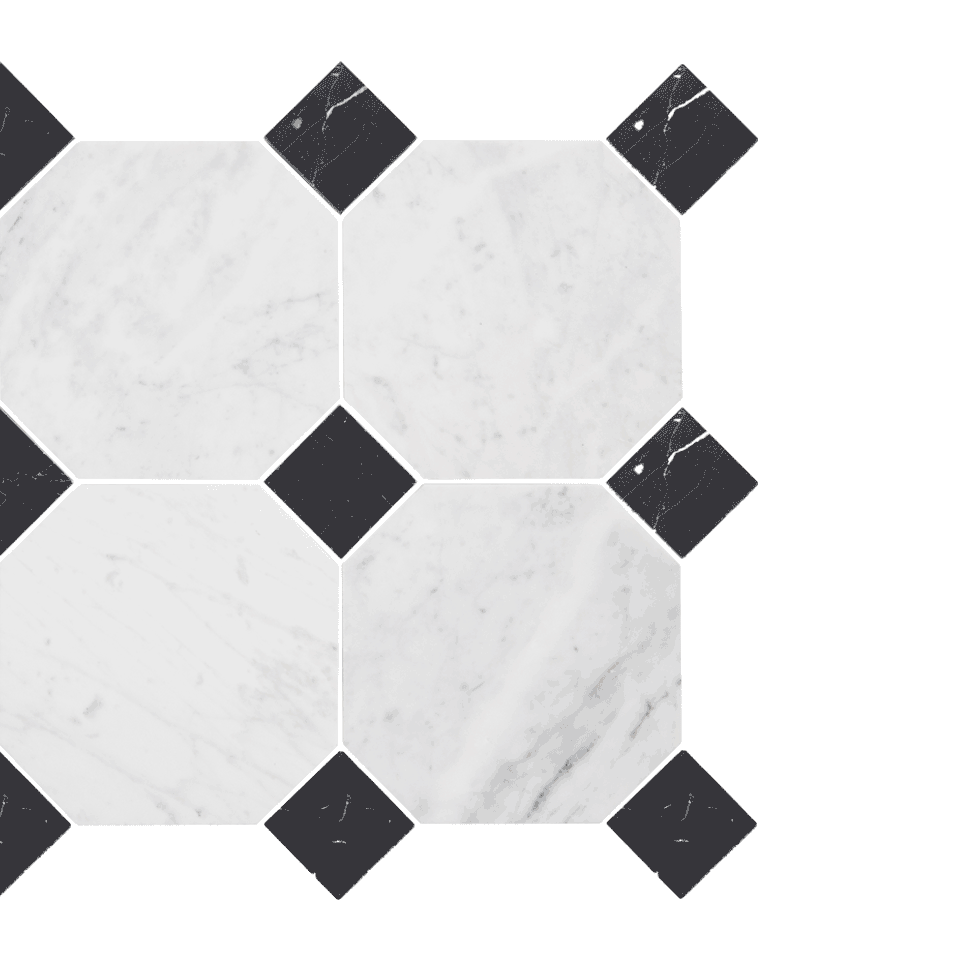
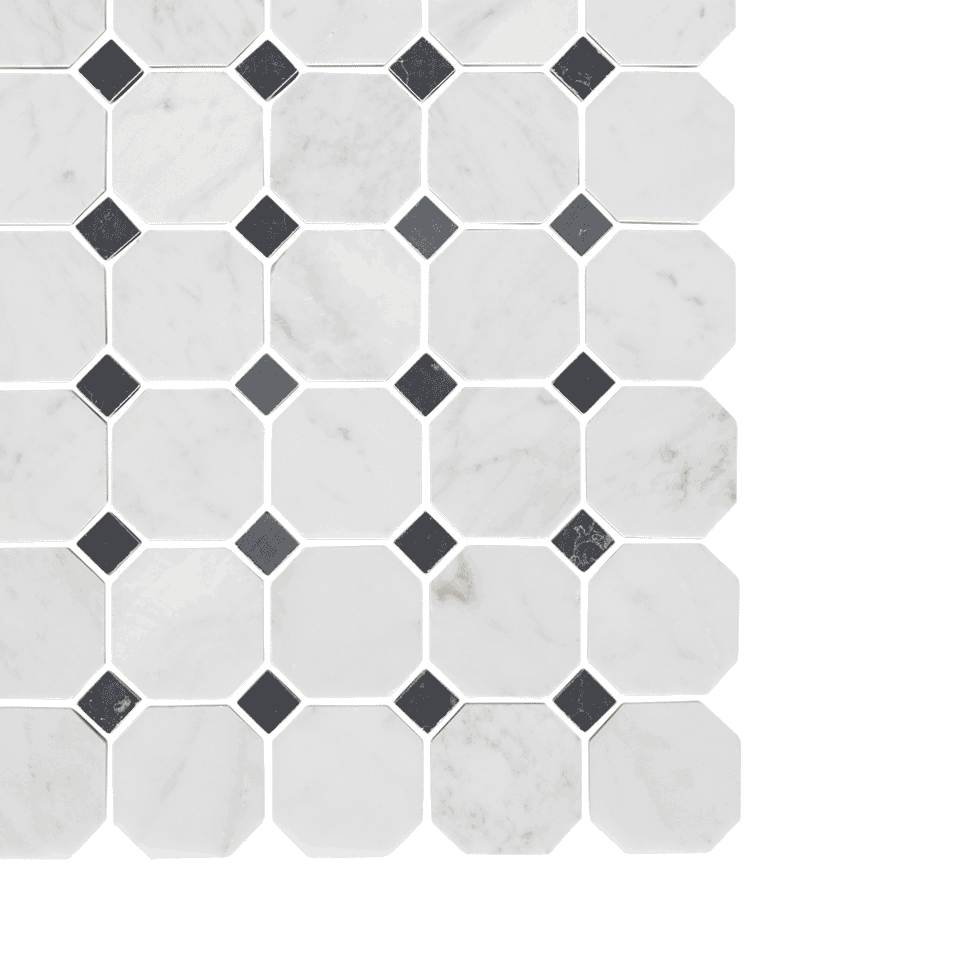
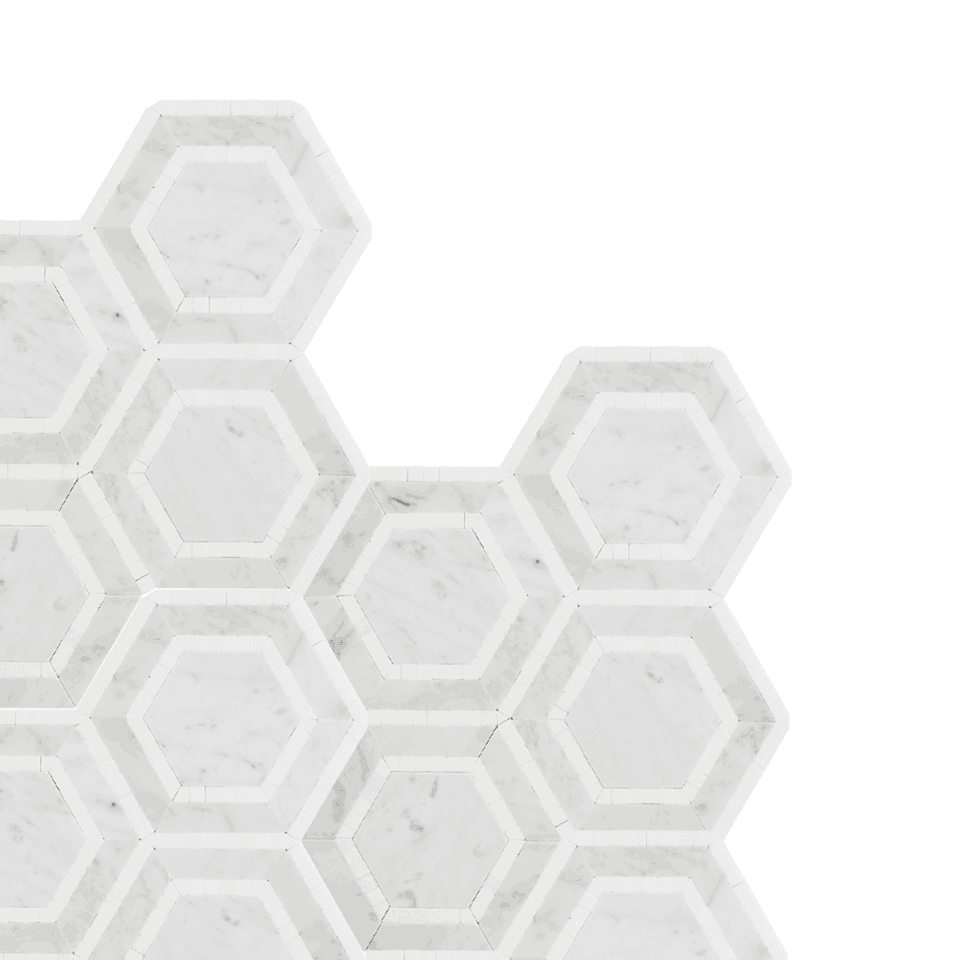
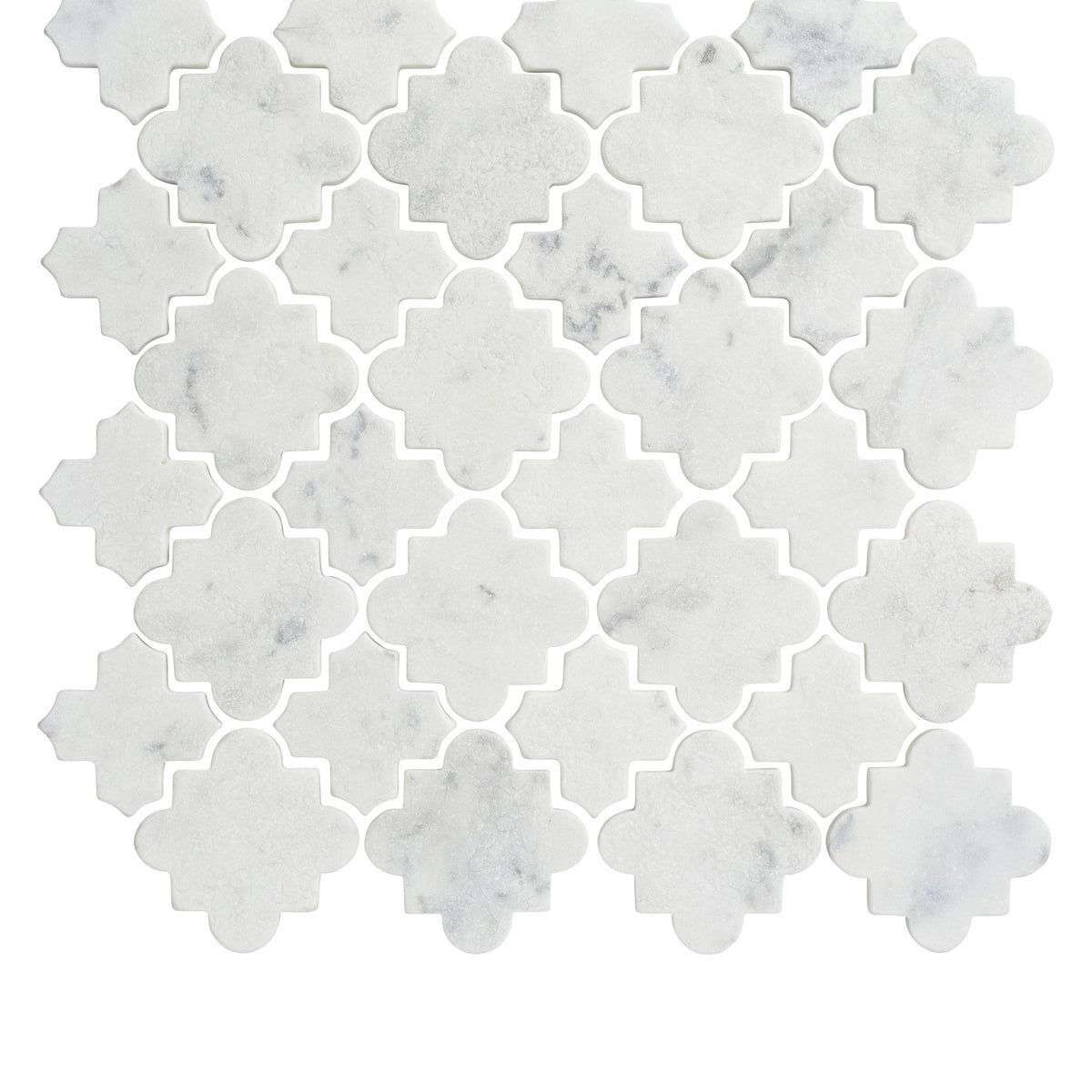
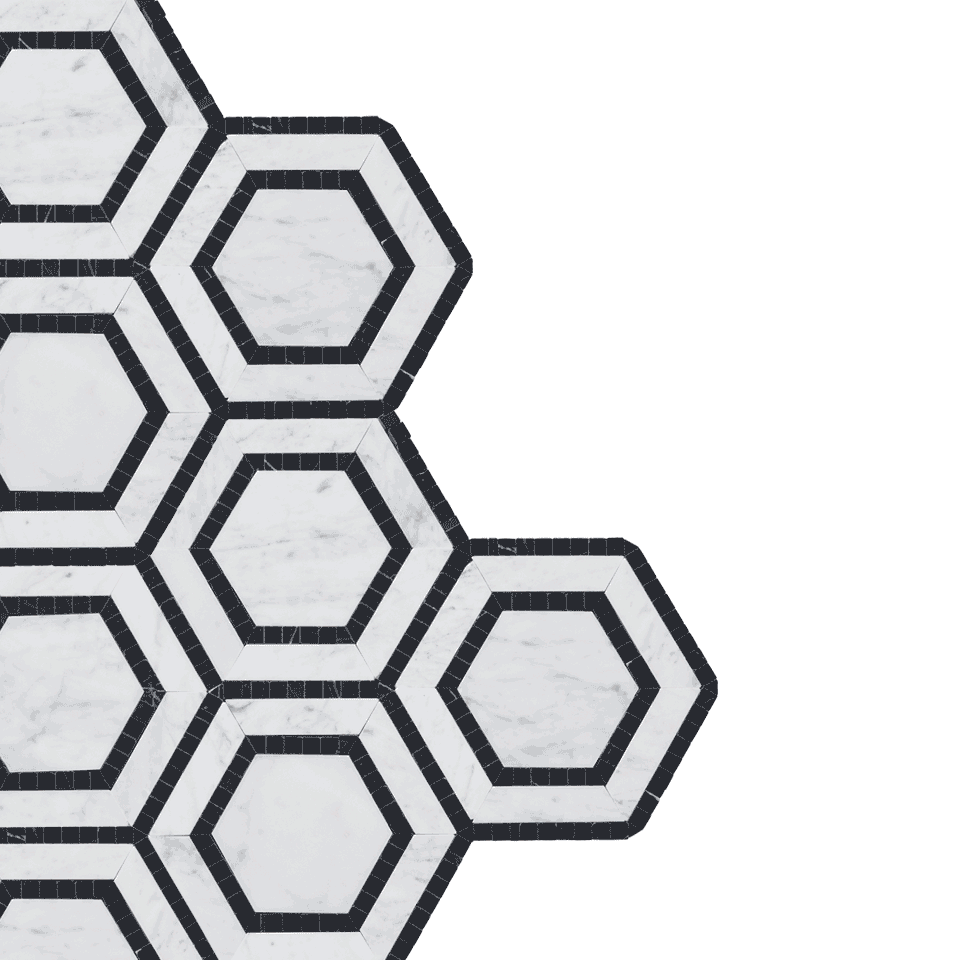
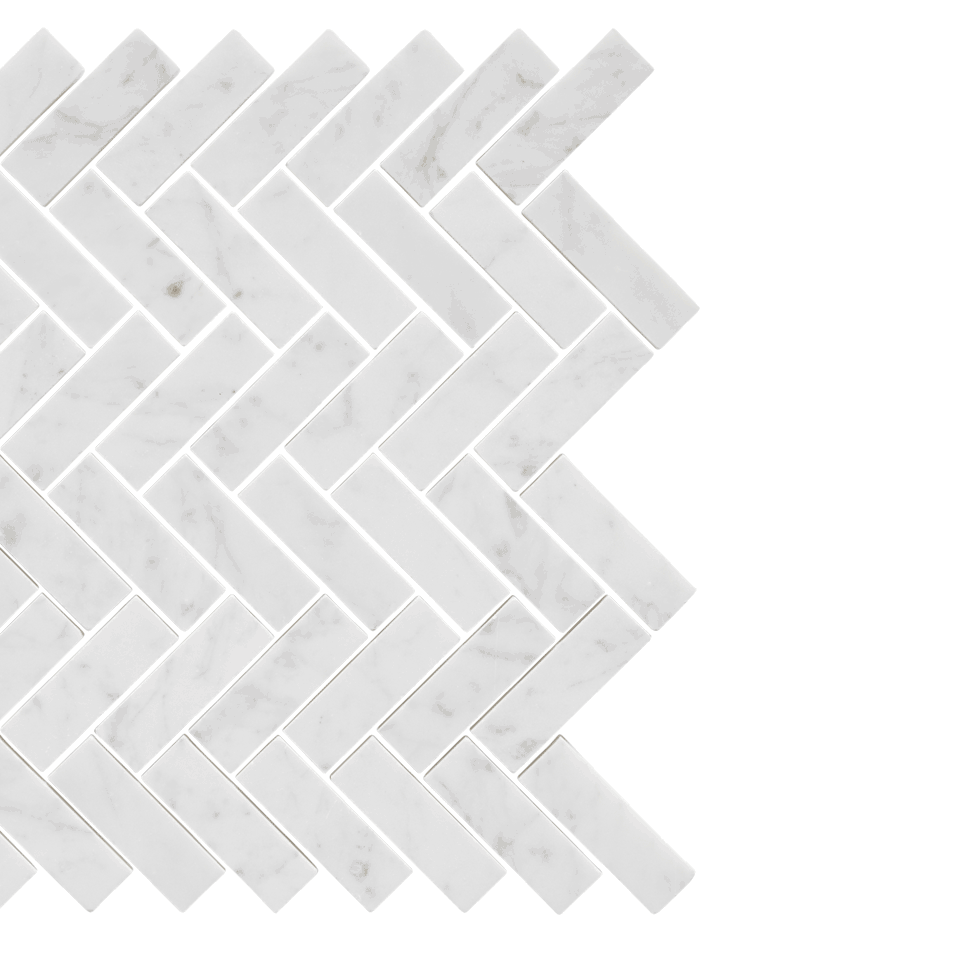
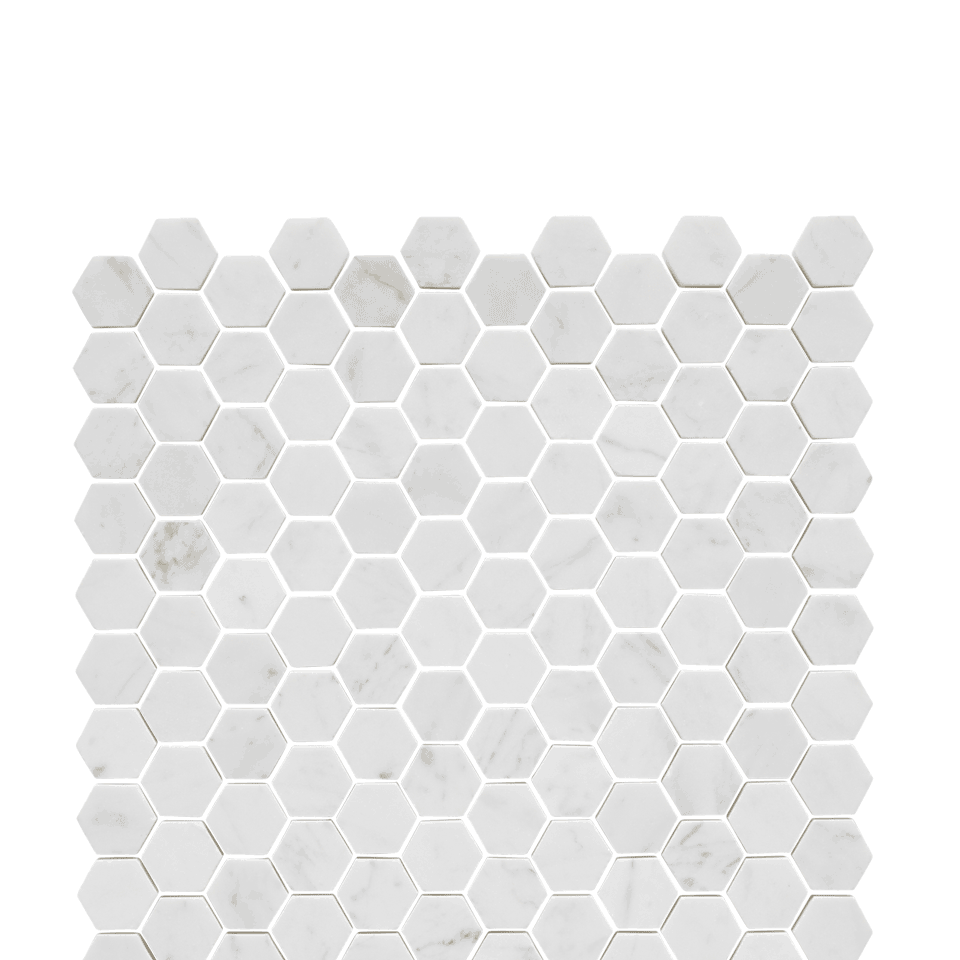
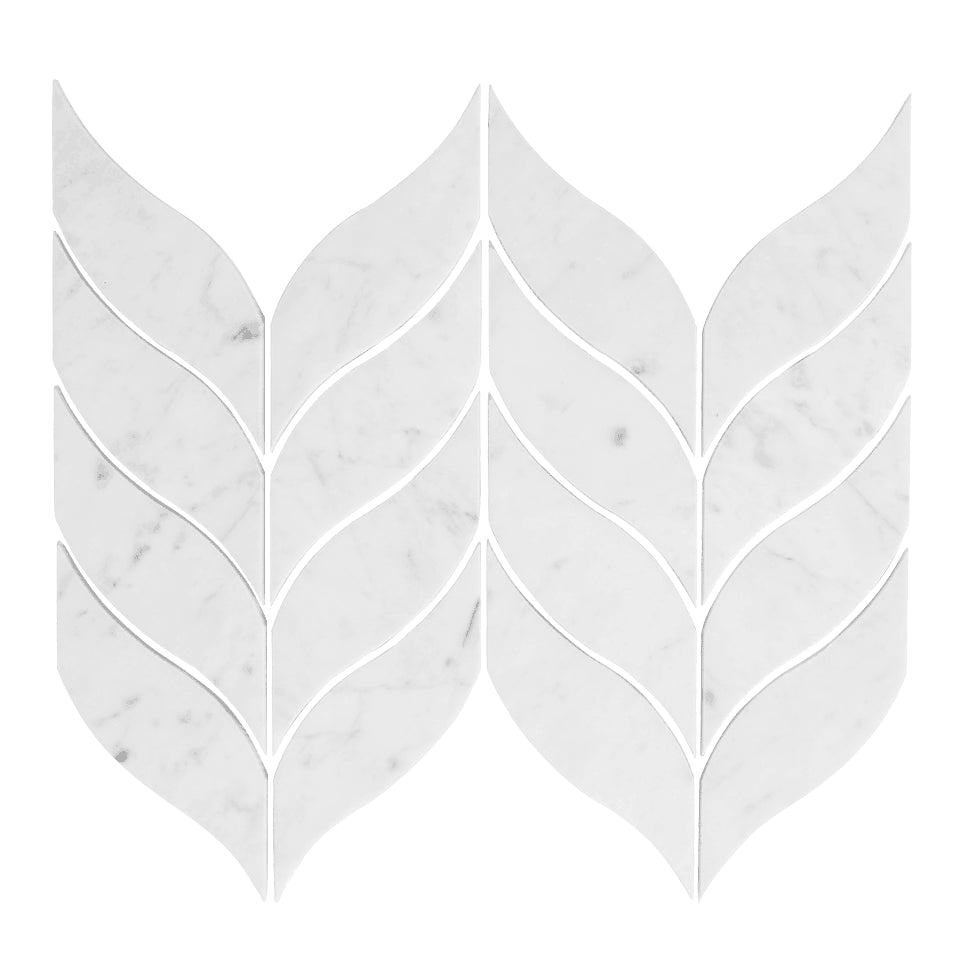
The Design Palette’s grey natural stone mosaics centre on Carrara marble, whose soft white to blue-grey ground and fine grey veining make it the defining grey stone of Italian design. Alongside it, Calacatta brings grey veining on bright white, and Carrara’s pairings with Nero Marquina add graphic contrast.
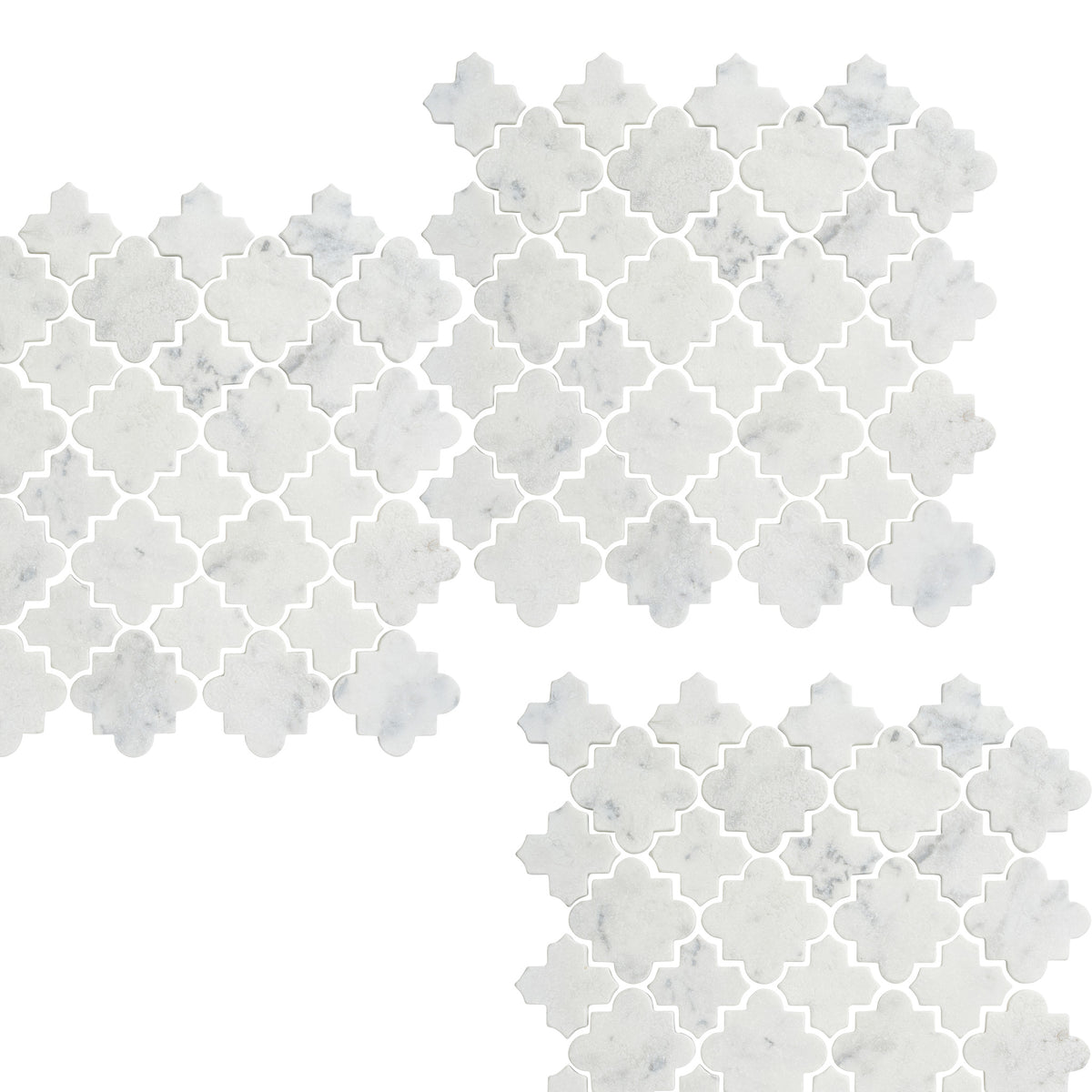
Translated into architectural formats, from herringbone, arch, arabesque, penny round and hexagon to octagon, basketweave and outline hexagon, our grey mosaics bring balance and refinement to kitchen splashbacks, bathroom walls and floors, and wet areas. Based in Sydney and supplying projects across Australia, we work with architects, interior designers, builders and homeowners who value versatility and understated elegance.
Filters

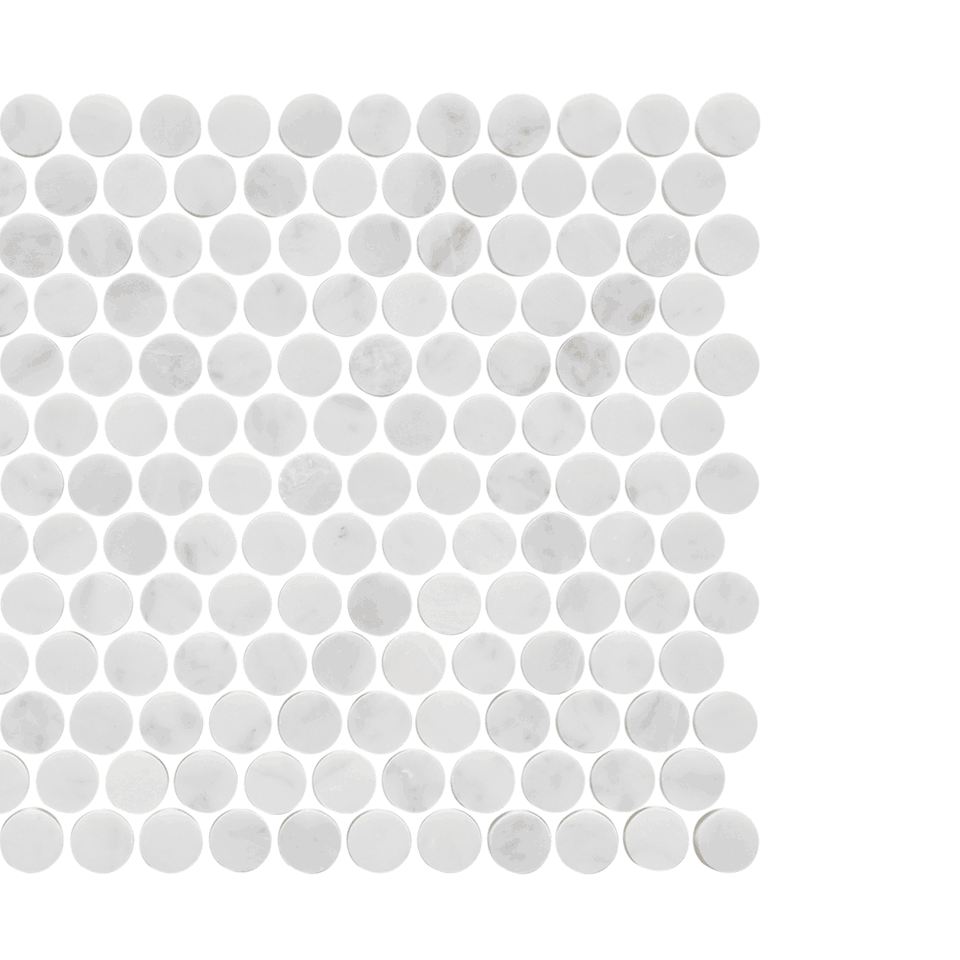
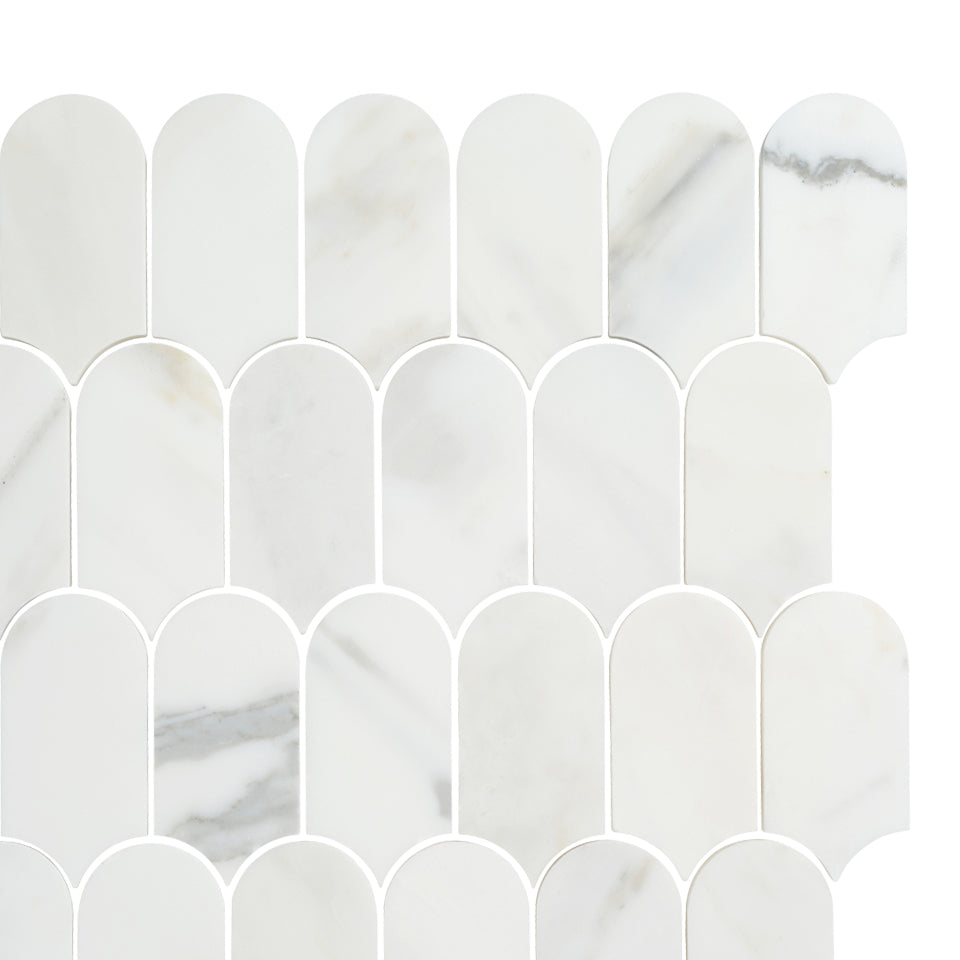
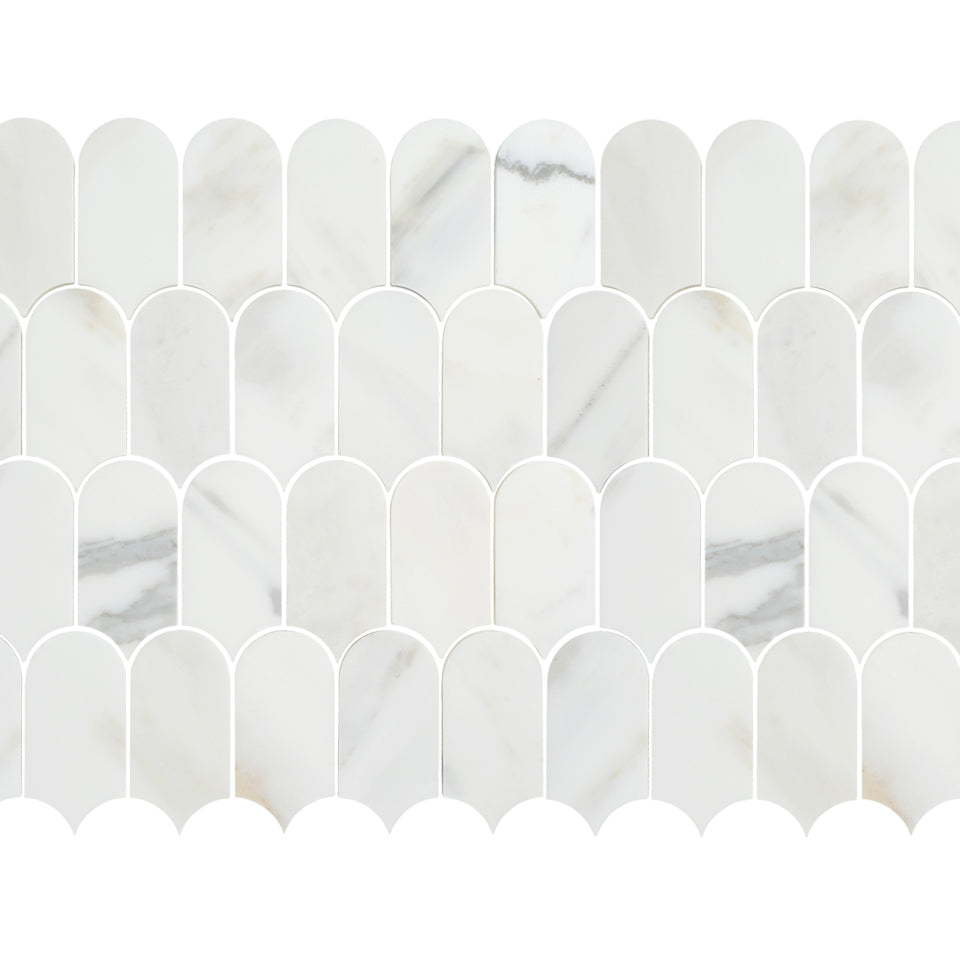
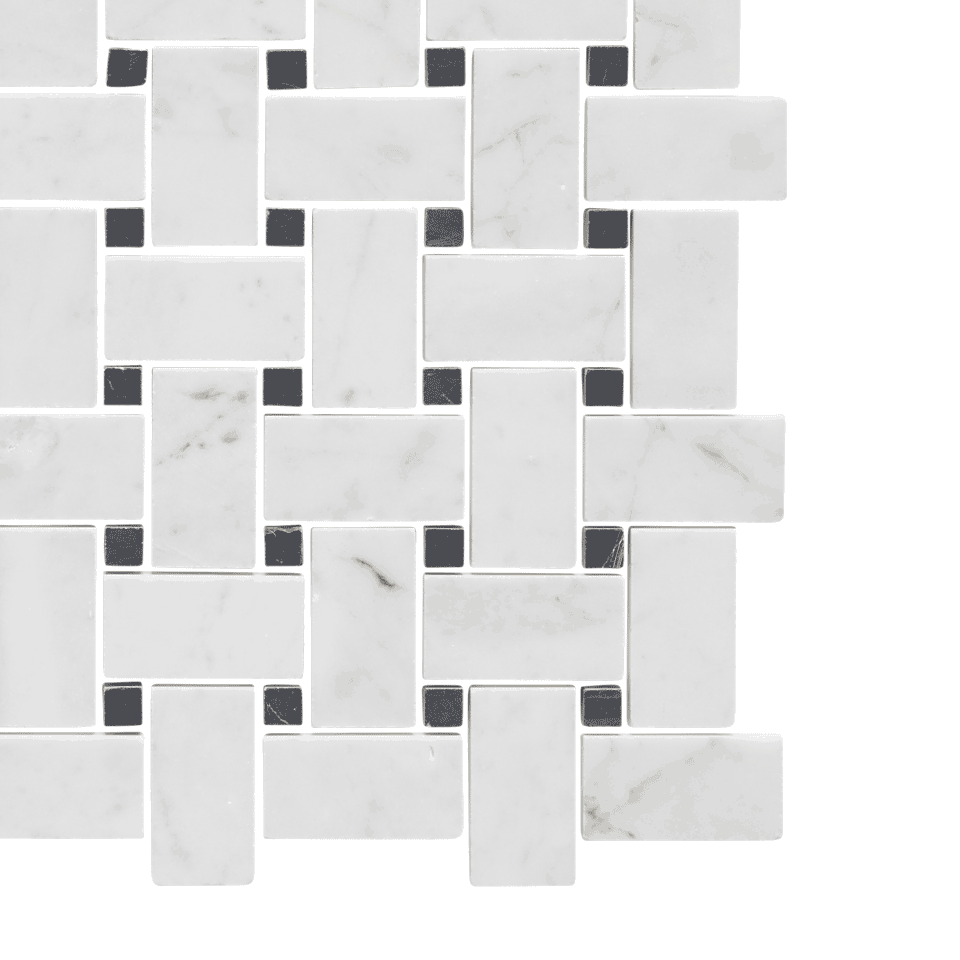
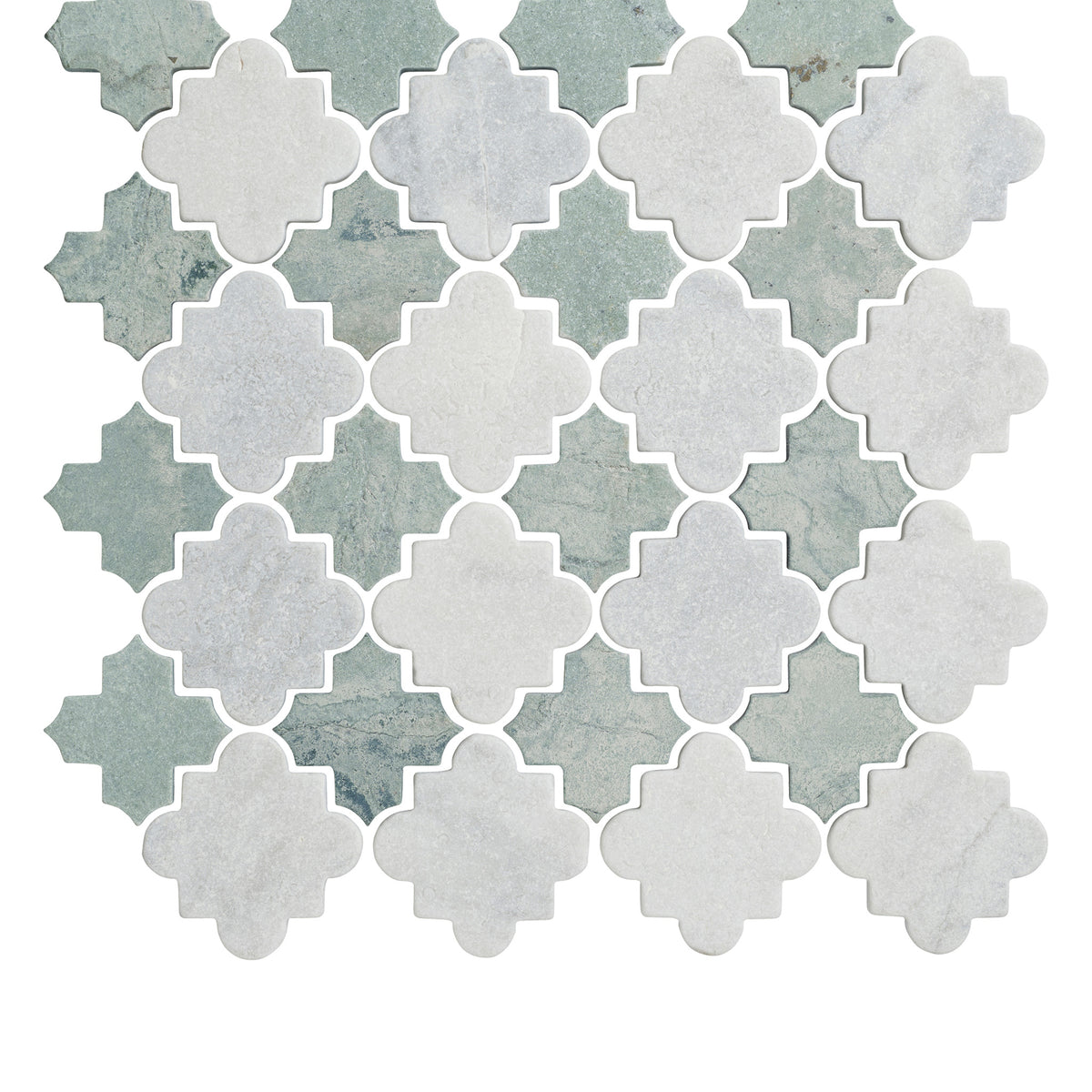
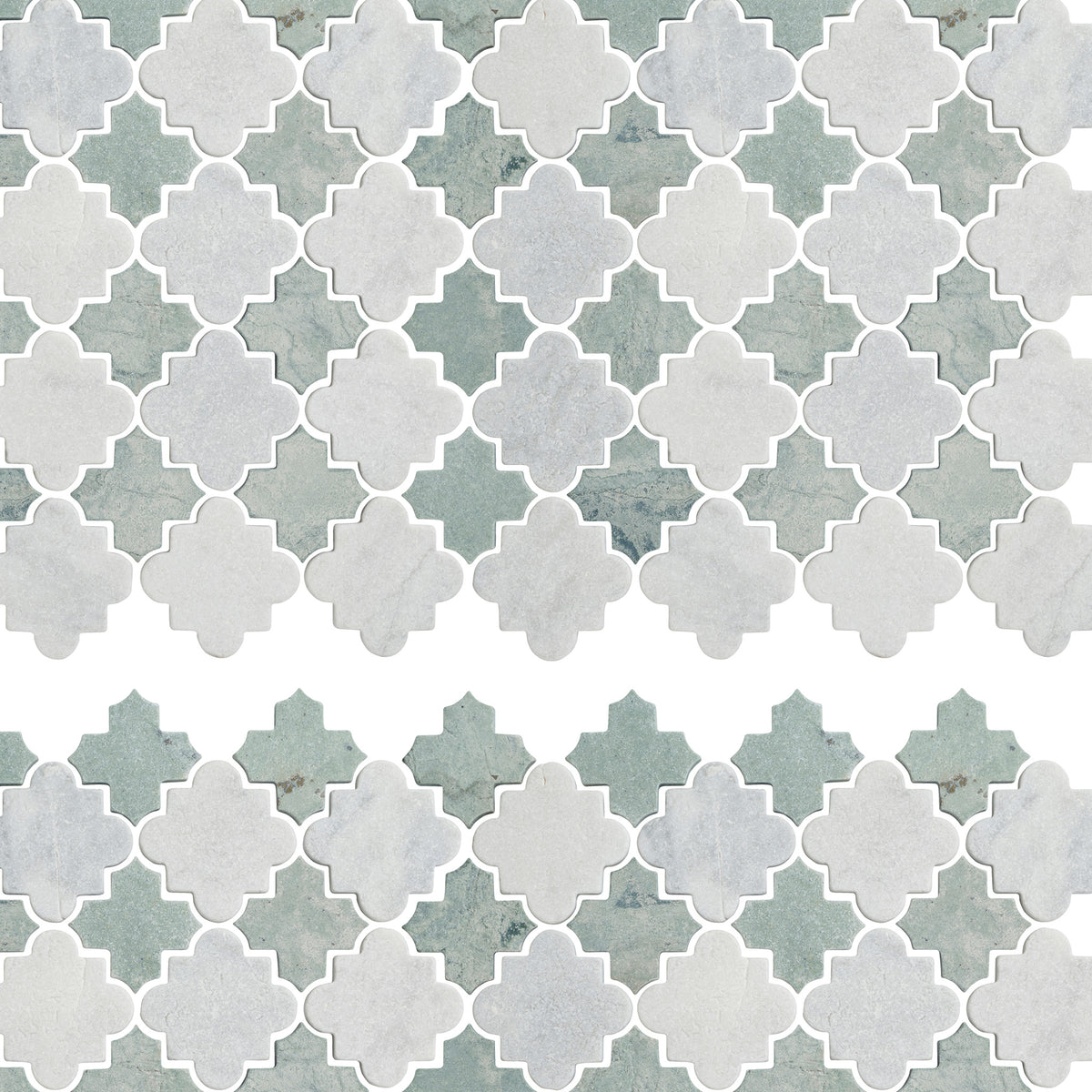
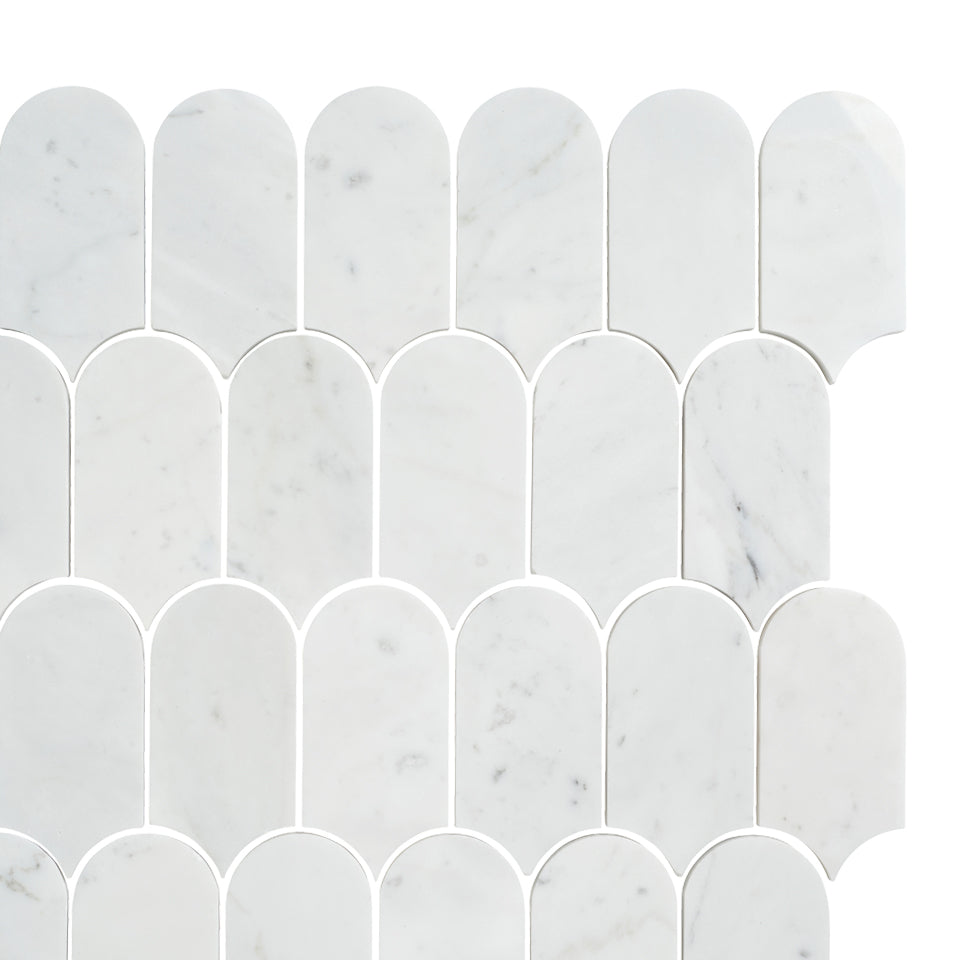
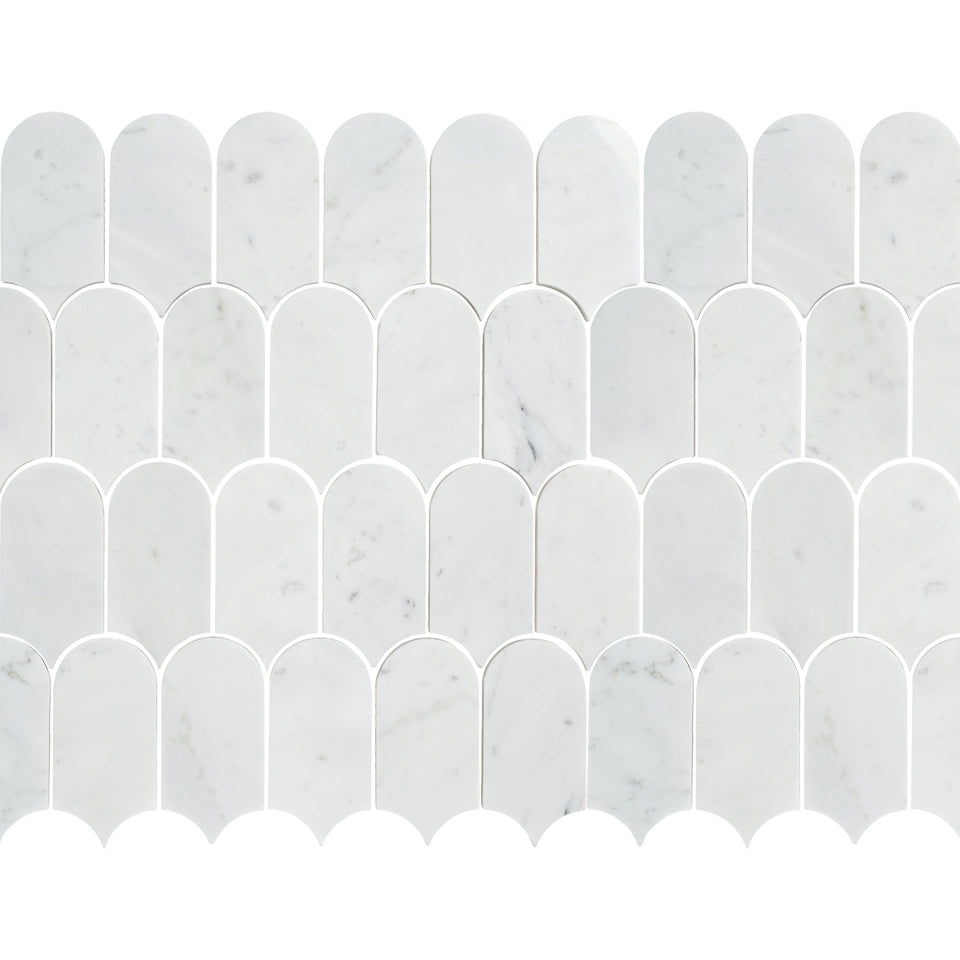






COLOUR // GREY
ORIGIN + History
Grey is an ancient Germanic word. It comes from Old English græg, describing the colour between white and black. The word was so widely used that it spread into other languages: French gris, Italian grigio and Spanish gris were all borrowed from Germanic sources.
Even its spelling tells a story. The difference between British grey and American gray only settled in the twentieth century. In natural stone, grey is never flat; it moves through veining and tone, the trace of minerals caught within the stone as it formed.
COLOUR // GREY
The Stones of grey
Carrara. Quarried in the Apuan Alps of Tuscany since Roman times, Carrara is valued for its soft blue-grey ground and fine, feathered grey veining. It is the stone of Michelangelo’s David.
Calacatta. From the same mountains, Calacatta Gold carries bold grey and gold veins across a bright white ground.
Nero Marquina. Paired with Carrara in octagon, basketweave and hexagon designs, this black stone from Spain’s Basque Country brings graphic definition to grey palettes.
At The Design Palette, we see grey as the colour of balance. These natural stones remain beautiful for decades, gaining character over time rather than wearing out. In a design culture of constant replacement, that endurance is its own form of sustainability.